How to Build a Durable Chicken Coop Door: Easy DIY Plans
Protecting your flock starts with a secure entrance. A high-quality chicken coop door serves as the primary line of defense against local predators that roam at night.
Investing time in a sturdy barrier is the most critical step for any owner. Whether you are looking for custom DIY chicken coop plans or exploring professional automatic systems, this guide covers everything you need to know.
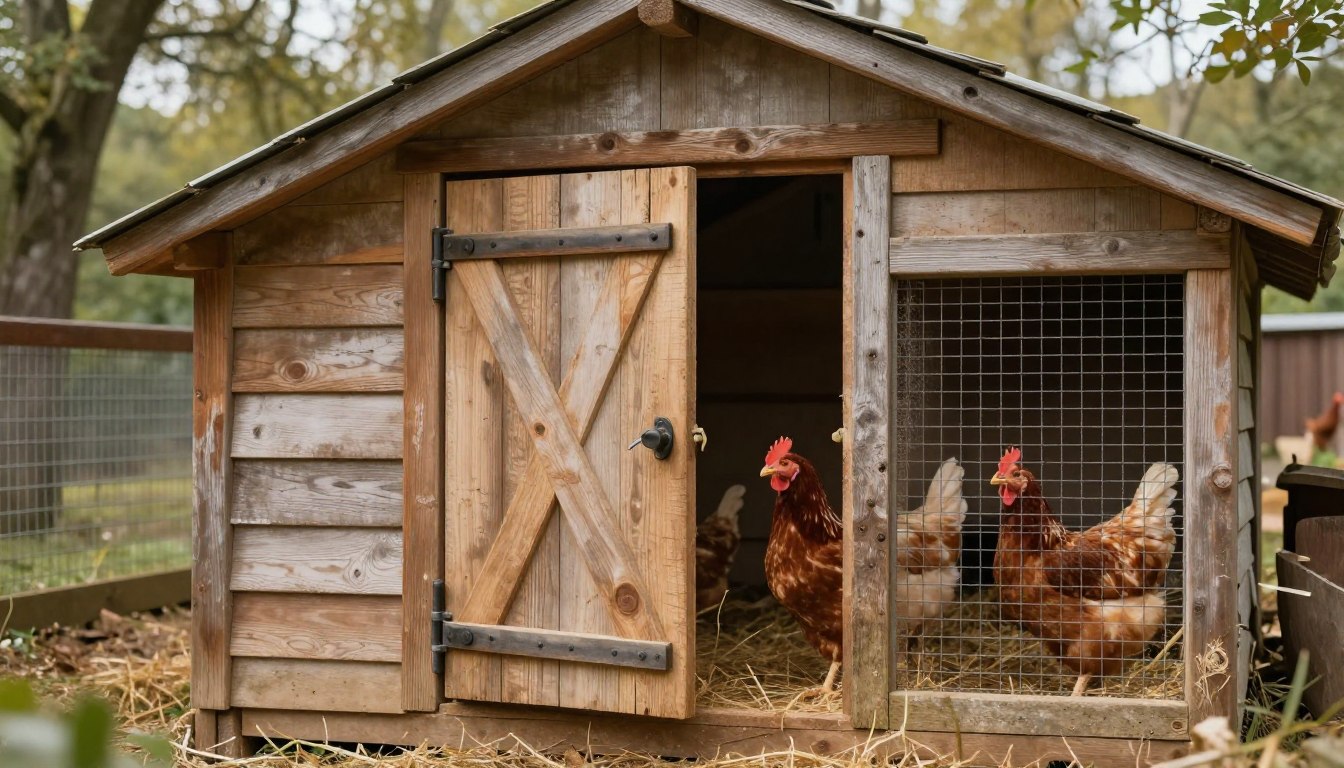
We will help you enhance your backyard chicken coop to ensure your birds remain safe and healthy year-round. Let’s explore how to build a reliable solution that stands the test of time.
Key Takeaways
- Prioritize predator-proof materials for maximum security.
- Automatic systems offer convenience and peace of mind.
- Proper installation prevents gaps that invite unwanted visitors.
- Custom builds allow for better integration with existing structures.
- Regular maintenance ensures smooth operation throughout the seasons.
Essential Materials for a Predator-Proof Chicken Coop Door
A sturdy chicken coop door acts as the primary line of defense for your backyard birds. When you prioritize quality supplies, you create a predator-proof coop that stands the test of time. Selecting the right components ensures your flock remains safe from persistent threats like raccoons, foxes, and hawks.
Selecting Weather-Resistant Lumber
The foundation of a long-lasting door begins with your choice of timber. Using weather-resistant wood such as cedar or pressure-treated pine is essential for outdoor structures. These materials naturally resist rot, decay, and warping caused by rain or humidity.
Cedar is a popular choice because it contains natural oils that repel insects and moisture. If you opt for pressure-treated pine, ensure it is rated for ground contact to maximize its lifespan. Investing in quality lumber prevents the door from sagging or binding over time.
Choosing Heavy-Duty Hinges and Latches
Even the strongest wood will fail if the hardware is weak. You must install heavy-duty hinges that can support the weight of the door without pulling away from the frame. Standard cabinet hinges are often too flimsy to withstand the force of a determined predator.
Pair your hinges with a secure locking mechanism that is difficult for animals to manipulate. A simple sliding bolt is rarely enough; consider a locking carabiner or a spring-loaded latch. Security is paramount when choosing these metal components for your coop.
The Importance of Hardware Cloth
Many beginners make the mistake of using standard chicken wire, which is easily torn by sharp claws. For effective predator protection, you should always use galvanized hardware cloth instead. This welded wire mesh provides a rigid barrier that keeps even the most aggressive pests out.
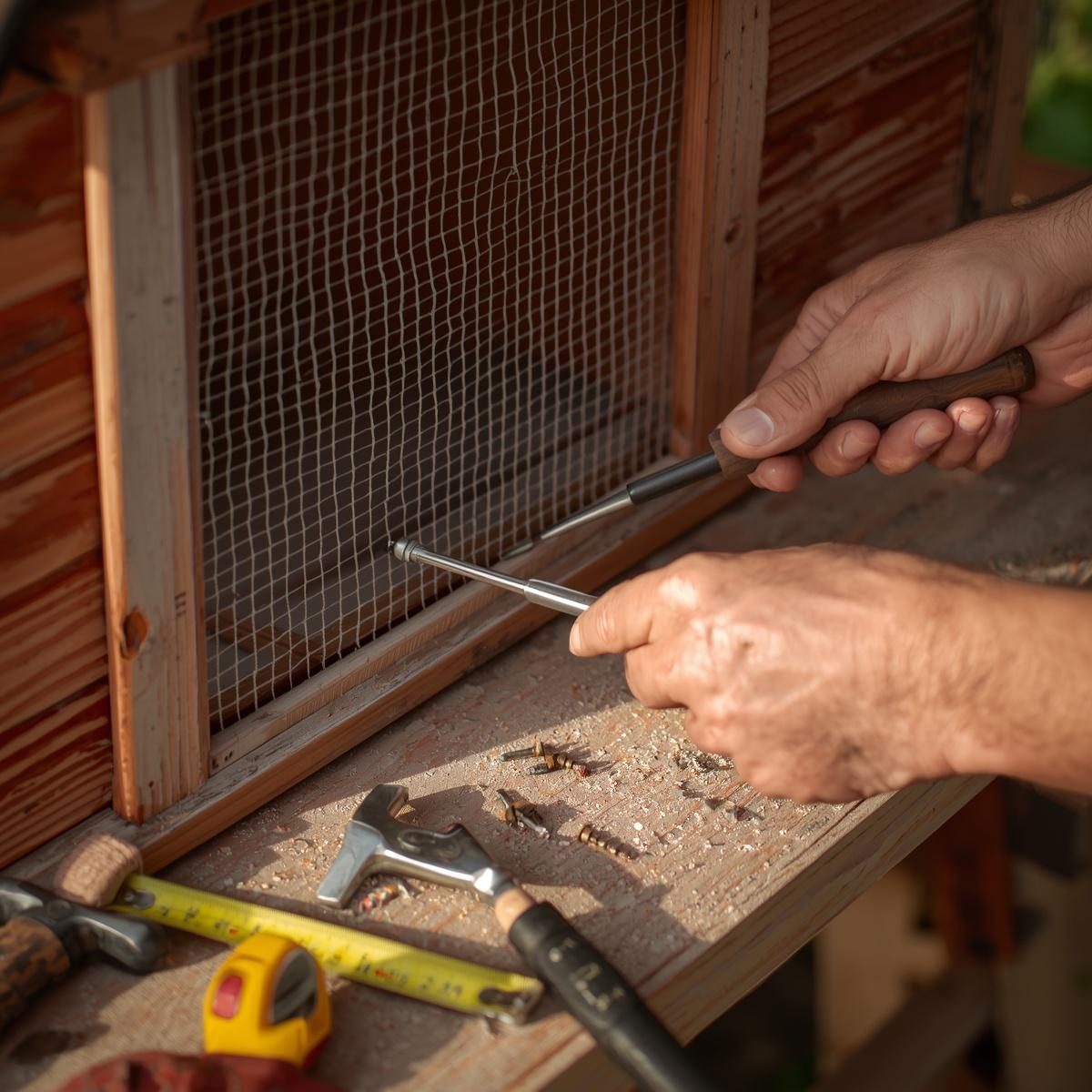
Proper hardware cloth installation involves stapling the mesh securely to the frame with heavy-duty fencing staples. Ensure there are no gaps along the edges where a predator could pry the wire loose. A well-installed mesh screen is the ultimate deterrent for any unwanted visitor.
Step-by-Step Guide to Building a Manual Wooden Door
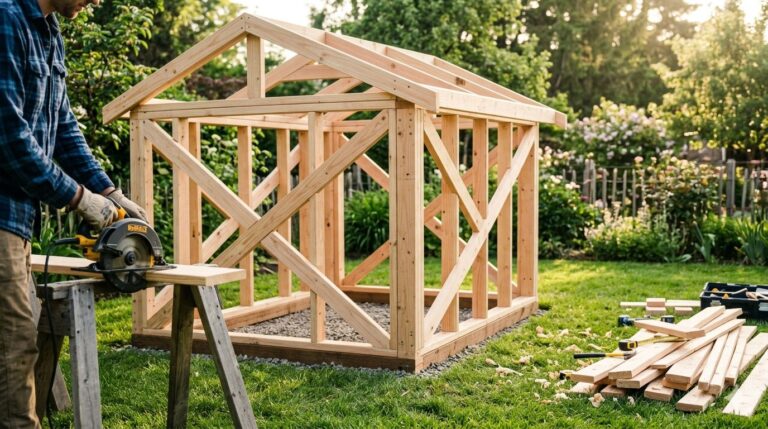
A well-constructed chicken coop door serves as the primary line of defense against local predators. When you undertake DIY coop building, the goal is to create a barrier that is both functional and impenetrable. By following a logical workflow, you can ensure your door fits perfectly within the existing frame, leaving no gaps for unwanted visitors.
Measuring and Cutting Your Frame
Precision is the most critical factor when you begin your DIY chicken coop plans. Start by measuring the height and width of your coop opening at three different points to account for any slight irregularities in the wood. Always subtract 1/8 inch from your final measurements to allow for the thickness of the paint or seasonal wood expansion.
Use a high-quality circular saw to make your cuts, ensuring that all edges are square. A door that closes flush against the frame is essential for maintaining high levels of coop security. If the door is too loose, clever predators may find a way to pry it open.
Assembling the Door Structure
Once your frame pieces are cut, lay them on a flat surface to verify the fit. Use exterior-grade wood screws and a waterproof adhesive to join the corners, as these provide the best structural integrity. Adding a diagonal brace across the back of the door will prevent sagging over time, which is a common issue with wooden structures.
Ensure that your hinges are mounted securely to the frame using heavy-duty screws. Proper alignment is vital here; if the door hangs unevenly, it will not seal correctly against the coop wall. Test the swing of the door multiple times before finalizing the installation of your hardware.
Installing the Security Latch System
The final step involves choosing a robust coop door latch that is difficult for animals to manipulate. Avoid simple hook-and-eye latches, as raccoons and other predators can easily slide these open. Instead, opt for a locking carabiner or a spring-loaded bolt that requires a complex motion to release.
Mount the coop door latch on the exterior of the door, ensuring it is positioned where you can reach it easily. Double-check that the latch engages firmly with the strike plate. A secure, well-fitted door provides peace of mind, knowing your flock is protected behind a reliable, manual barrier.
Review of the Run-Chicken Automatic Chicken Coop Door
Overview
This Run-Chicken review examines a popular solution for modern backyard poultry keepers. The Run-Chicken automatic chicken door is designed to simplify your daily routine by automating the opening and closing of your coop.
It is built to withstand various climates, making it a versatile choice for owners across the United States. Many users appreciate its compact design and straightforward setup process.
Pros
- Easy installation: Most users can mount this unit in under an hour.
- Weather-resistant: The housing is durable enough to handle rain, snow, and extreme heat.
- Reliable operation: The light-sensing technology works consistently to keep your flock safe.
Cons
While the unit is highly effective, it does have a few limitations. The battery life can fluctuate depending on the quality of the batteries used and the local temperature.
Additionally, the door size is best suited for standard-sized breeds. Owners of very large heritage breeds might find the opening slightly restrictive.
Features
The device features a high-quality aluminum door that resists rust and corrosion. It utilizes a light sensor to detect dawn and dusk, ensuring your birds are locked away securely at night.
The unit is entirely self-contained, meaning you do not need to worry about complex wiring or external power sources. This makes it an ideal chicken coop door for remote coops.
Recommendations
We recommend this model for hobbyists who prioritize convenience and durability. It is an excellent investment if you want to avoid manual labor during early mornings or late evenings.
Ensure you check your coop dimensions before purchasing to guarantee a perfect fit. Proper alignment during installation is key to long-term success.
Conclusion
The Run-Chicken automatic chicken door stands out as a reliable and user-friendly option. This Run-Chicken review confirms that it provides great value for those seeking a low-maintenance chicken coop door.
By choosing this system, you gain peace of mind knowing your flock is protected by a proven, automated security solution.
Review of the ChickenGuard Extreme Automatic Door Opener
Overview
Protecting your flock requires reliable equipment, and the ChickenGuard Extreme stands out as a premium solution for serious poultry keepers. This high-end automatic chicken door is specifically engineered to withstand harsh environmental conditions that would cause lesser units to fail.
Pros
- Extreme weather resistance ensures the motor functions in freezing temperatures.
- The unit is highly durable, offering long-term reliability for your chicken coop door.
- Installation is straightforward, even for those with limited DIY experience.
Cons
- The initial investment is higher compared to basic manual or entry-level models.
- It requires a specific mounting surface to ensure the door slides without friction.
Features
The ChickenGuard Extreme features an advanced timer and light-sensing capabilities. These tools allow you to customize exactly when your birds enter and exit the coop based on your local sunrise and sunset times.
The system includes a robust motor designed for heavy-duty lifting. This automatic coop opener is built to last, providing security against predators that might attempt to pry open a weaker door.
Recommendations
We recommend this system for owners who live in regions with extreme temperature fluctuations. If you prioritize peace of mind and want a set-it-and-forget-it solution, this device is a worthy upgrade for your setup.
Conclusion
While the price point is higher than standard options, the ChickenGuard Extreme delivers unmatched performance. It is a top-tier automatic coop opener that justifies its cost through superior engineering and consistent operation. Investing in this technology ensures your chicken coop door remains a secure barrier for your flock year-round.
Review of the Omlet Automatic Chicken Coop Door
Overview
Many backyard farmers choose the Omlet automatic chicken coop door for its versatile mounting options. This system is designed to integrate seamlessly into various coop styles, whether you have a wooden structure or a wire mesh enclosure.
The unit provides a user-friendly interface that simplifies daily flock management. By automating the opening and closing process, it ensures your birds remain safe from predators without requiring your constant presence.
Pros
- Highly durable construction that withstands harsh weather conditions.
- Flexible installation methods allow for mounting on almost any coop design.
- The intuitive interface makes programming schedules quick and stress-free.
Cons
While the system is robust, the initial investment is higher than basic manual latches. Additionally, users must ensure the battery compartment remains dry to maintain optimal performance of the automatic chicken door.
Features
This automatic coop opener features a reliable light sensor that adjusts to seasonal changes in daylight. It also includes a manual override button, giving you full control whenever you need to intervene.
The vertical sliding mechanism is designed to be predator-resistant, preventing clever animals from lifting the door. Its compact footprint ensures it does not take up unnecessary space on your coop wall.
Recommendations
We recommend the Omlet coop door for owners who prioritize convenience and long-term reliability. It is an excellent choice for those who travel frequently or simply want to automate their morning and evening routines.
Conclusion
Choosing an automatic chicken door from Omlet is a smart investment for any serious poultry keeper. Its combination of seamless integration and high-quality engineering provides lasting value for your flock’s security.
Comparing DIY Durability vs. Commercial Automatic Solutions
When planning your coop, you must weigh the hands-on nature of DIY coop building against the convenience of modern technology. Every backyard chicken coop requires a secure entry point, but the method you choose will impact your daily routine and your budget.
Cost-Benefit Analysis of DIY Projects
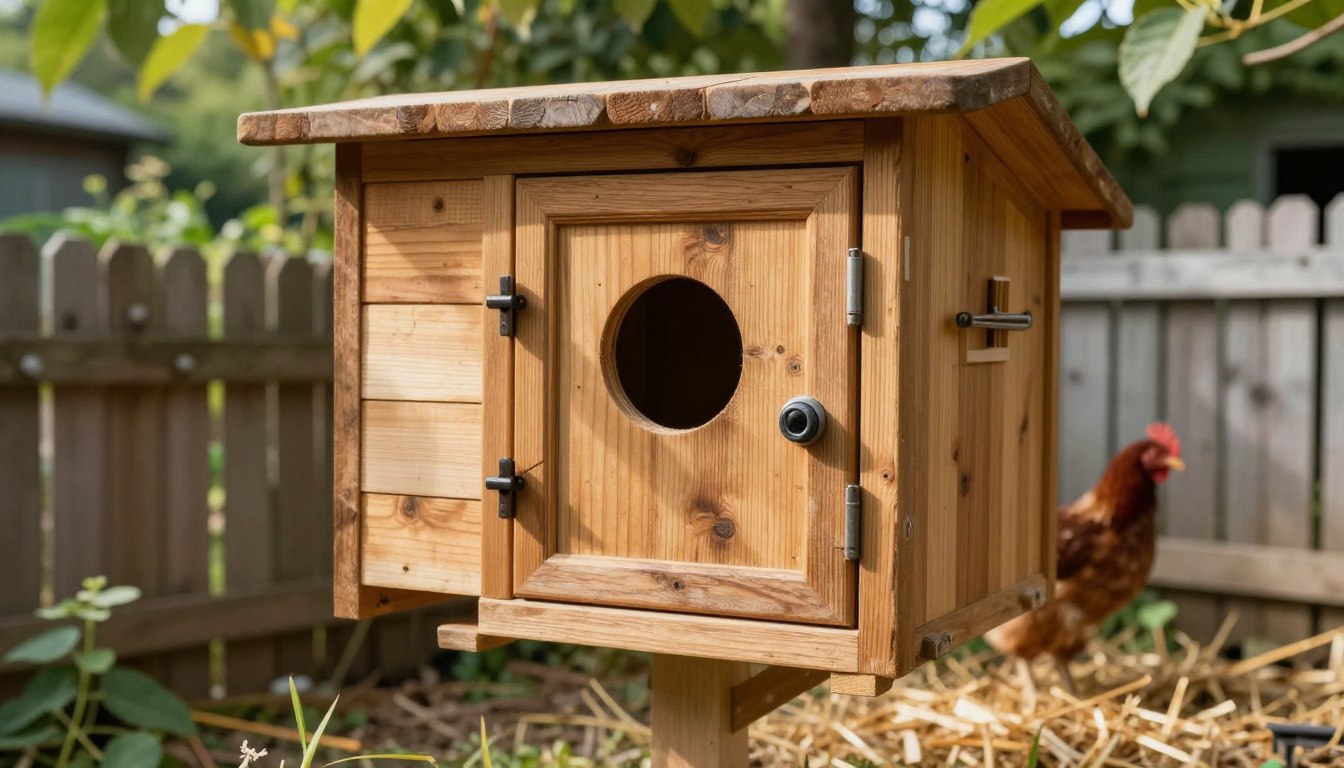
Building a manual chicken coop door is often the most budget-friendly option for those who enjoy working with their hands. By following DIY chicken coop plans, you can select high-quality, weather-resistant materials that fit your specific dimensions perfectly.
The primary advantage here is simplicity. A well-constructed wooden door has fewer moving parts to break, meaning you avoid the costs associated with electronic repairs or battery replacements. While it requires a manual effort to open and close, the initial investment is significantly lower than purchasing a high-end system.
Reliability Factors in Automated Systems
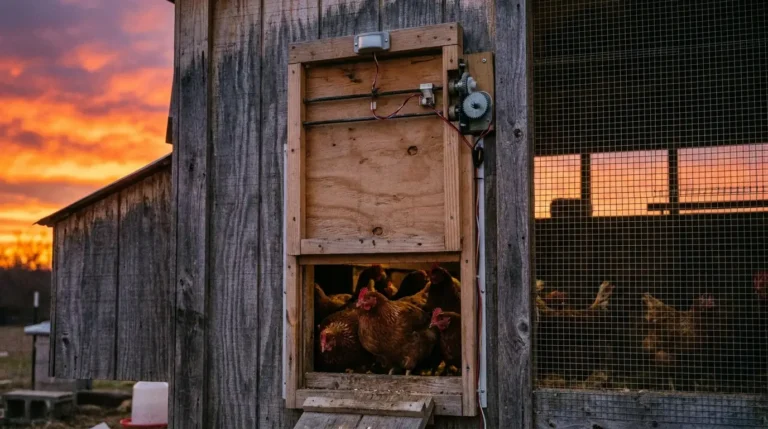
An automatic chicken door offers a level of convenience that manual systems simply cannot match. These devices are designed to protect your flock by closing at dusk and opening at dawn, even when you are away from home.
However, reliability depends on the quality of the motor and the power source. High-quality units often feature light sensors or timers that function consistently in various weather conditions. While the upfront cost is higher, the peace of mind provided by a reliable automatic chicken door is a major benefit for busy owners who want to ensure their birds are locked away safely every single night.
Best Practices for Installing Your Chicken Coop Door
A well-fitted chicken coop door is the primary defense against unwanted visitors in your backyard. Proper installation serves as the foundation for a predator-proof coop, ensuring that your flock remains safe throughout the night. Taking the time to measure twice and install once will save you from costly repairs or security breaches later.
Ensuring Proper Alignment for Smooth Operation
Achieving perfect coop door alignment is essential for any manual or automatic system. If the frame is slightly crooked, the door may bind or stick, which prevents it from closing completely. You should use a carpenter’s level during the initial mounting process to verify that all sides are perfectly plumb.
Test the movement of the door multiple times before securing the final hardware. If you notice any resistance, adjust the hinges or the frame slightly until the door swings or slides effortlessly. A smooth operation ensures that automatic openers do not strain their motors, extending the lifespan of your equipment.
Sealing Gaps to Prevent Predator Entry
Even a small gap around the edges of your chicken coop door can provide an entry point for determined predators like weasels or rats. You must inspect the perimeter of the door frame to ensure there are no visible light leaks. If you find gaps, consider installing weather stripping or wood trim to create a tight, secure seal.
Reinforcing these areas is a critical step in maintaining a predator-proof coop environment. By eliminating potential access points, you provide your birds with the highest level of protection. Use the following table to verify your installation quality during the setup process.
| Checklist Item | Action Required | Security Impact |
|---|---|---|
| Frame Leveling | Use a spirit level | Prevents binding |
| Gap Inspection | Check for light leaks | Blocks small pests |
| Hardware Tightness | Check all screws | Ensures structural integrity |
| Smooth Movement | Test manual slide | Verifies coop door alignment |
Maintenance Tips for Long-Lasting Coop Security
A reliable barrier for your flock depends entirely on how well you maintain your chicken coop door throughout the year. Consistent upkeep ensures that your structure remains a formidable defense against local predators. By dedicating a small amount of time to coop door maintenance, you protect your investment and keep your birds safe from harm.
Seasonal Inspections for Wear and Tear
You should perform a thorough check of your coop door at the start of every season. Look closely for signs of wood rot, especially near the bottom edges where moisture often collects. Tightening loose hardware is another critical step to prevent gaps that could allow unwanted visitors to enter.
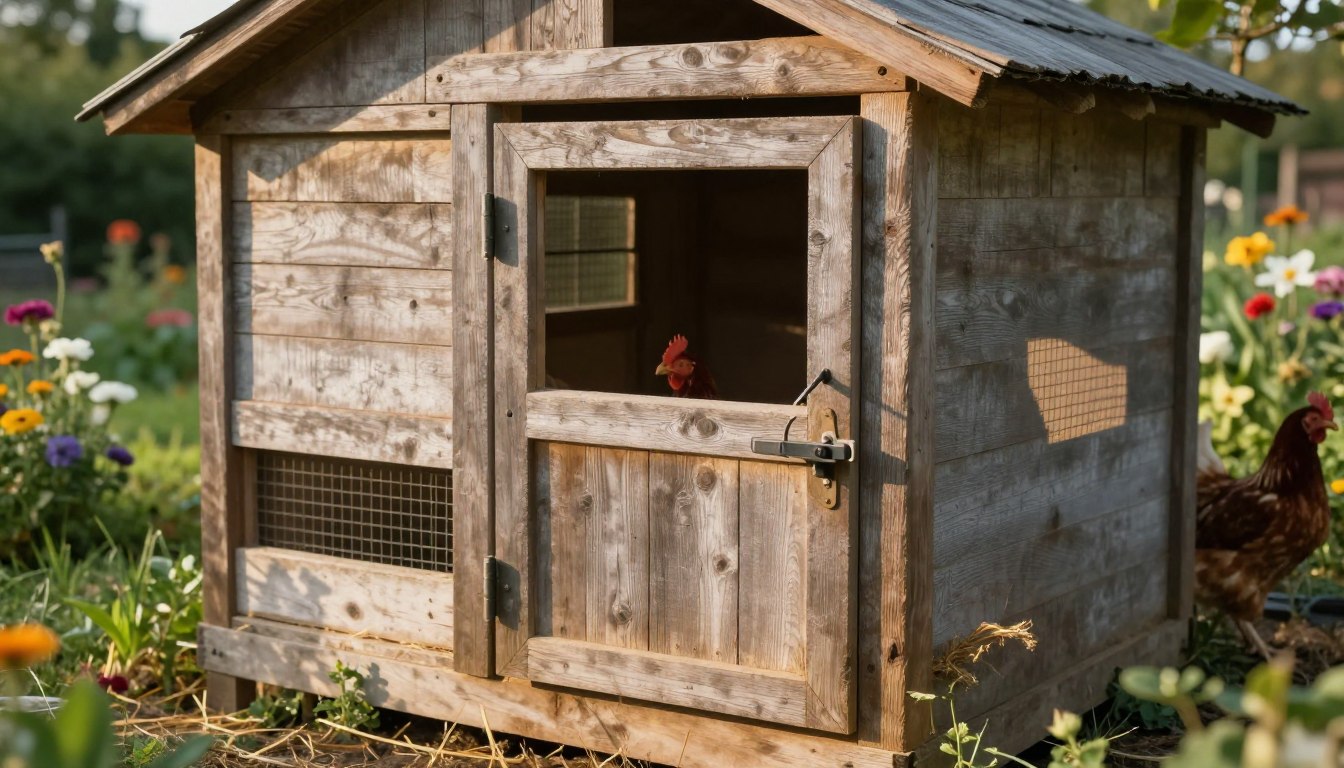
Check the integrity of your wire mesh or hardware cloth during these inspections. If you notice any fraying or detached sections, repair them immediately to maintain high levels of coop security. Identifying mechanical fatigue early prevents the door from failing when you need it most.
Lubricating Moving Parts and Hinges
Smooth operation is a hallmark of a well-maintained chicken coop door. Over time, hinges and sliding tracks can accumulate dust and debris, leading to friction or jamming. Applying a high-quality lubricant to these points ensures the door opens and closes without unnecessary noise or resistance.
Regularly cleaning the tracks is a vital part of your coop door maintenance routine. If you use an automated system, ensure the motor housing remains free of cobwebs and dirt to preserve coop security. Taking these simple steps will significantly extend the life of your equipment and provide peace of mind for your flock’s safety.
Choosing the Right Hardware for Your Chicken Coop Door
Selecting the correct coop door hardware is just as vital as choosing the right lumber for your construction project. While the wood provides the frame, the metal components ensure that your chicken coop door remains a secure barrier against the outside world. Investing in quality materials now prevents costly repairs and potential losses later.
Selecting Predator-Proof Locking Mechanisms
Many common latches are easily manipulated by intelligent predators like raccoons, which possess remarkable dexterity. To build a truly predator-proof coop, you must avoid simple slide bolts or basic hook-and-eye closures. Instead, opt for a locking coop door latch that requires a two-step motion to open.
Spring-loaded carabiners or padlocked hasps are excellent choices for added security. These mechanisms ensure that even the most persistent animals cannot pry the door open. Always prioritize hardware that feels substantial and difficult to wiggle loose.
Evaluating Hinge Strength and Corrosion Resistance
The hinges on your door bear the weight of the structure and endure constant exposure to the elements. Using heavy-duty hinges is essential to prevent sagging, which can create gaps that predators might exploit. Look for steel components that are specifically rated for outdoor use to ensure they hold up over time.
Corrosion resistance is a critical factor for longevity in humid or rainy climates. Stainless steel or hot-dipped galvanized hardware will resist rust far better than standard zinc-plated options. Choosing the right finish ensures your door operates smoothly for years without seizing or breaking down due to oxidation.
Essential Safety Features for Every Chicken Coop Door
Protecting your flock requires more than just a sturdy barrier; it demands smart safety features. When you upgrade to an automatic chicken door, you must prioritize the well-being of your birds above all else. A reliable system provides peace of mind while ensuring your predator-proof coop remains a safe sanctuary.
Anti-Pinch Sensors for Automated Doors
The most critical component of any modern automatic chicken door is the anti-pinch sensor. This technology detects resistance while the door is closing, preventing it from harming a bird that might be lingering in the threshold. Without this feature, a closing door could cause serious injury to your hens.
Safety is not an option; it is a necessity. By choosing a model equipped with a high-quality anti-pinch sensor, you ensure that your coop security is both effective and humane. Always test these sensors periodically to confirm they remain responsive and functional.
The greatness of a nation and its moral progress can be judged by the way its animals are treated.
— Mahatma Gandhi
Reinforcing the Door Perimeter
Even the most advanced technology needs a solid physical foundation to provide true predator protection. You should reinforce the area around your chicken coop door to eliminate any potential entry points for clever intruders. Small gaps or weak spots can quickly become vulnerabilities that compromise your entire coop security strategy.
Use heavy-duty hardware cloth to seal the perimeter, ensuring that no predator can pry or chew through the frame. This extra layer of predator protection creates an impenetrable barrier that keeps your flock safe from raccoons, foxes, and other threats. A well-fortified chicken coop door is the final step in building a truly predator-proof coop that stands the test of time.
Conclusion
Selecting the right chicken coop door represents a vital step in protecting your birds from predators. You must weigh the benefits of a custom DIY build against the convenience of automated systems like Run-Chicken, ChickenGuard, or Omlet.
Your choice depends on your specific budget and the time you want to dedicate to maintenance. A high-quality chicken coop door serves as the primary line of defense for your flock every single night.
Take time to evaluate your coop layout before making a final purchase or starting a construction project. Proper installation ensures that your chosen chicken coop door functions reliably throughout the changing seasons.
Investing in durable materials and secure locking mechanisms provides peace of mind for every poultry owner. Start your upgrade today to create a safer environment for your chickens.
FAQ
Why should I choose hardware cloth over standard chicken wire for my coop door?
A: Hardware cloth is essential for security because it is a heavy-duty mesh that predators like raccoons cannot easily tear or chew through. While chicken wire is suitable for containing birds, it is often too flimsy to stop determined pests, making hardware cloth the superior choice for predator-proof protection.
Which automatic chicken coop door is best for climates with freezing temperatures?
The ChickenGuard Extreme is widely considered the top choice for harsh environments. It is specifically engineered to function in extreme weather conditions and features a high-performance motor that won’t fail when the temperature drops, unlike some entry-level automated systems.
What are the primary benefits of the Run-Chicken automatic door?
The Run-Chicken model is prized for its ease of installation and minimalist design. It offers a reliable light-sensing mechanism that automates your morning and evening routines, making it a favorite for backyard chicken keepers who want a set it and forget it” solution.
Is it more cost-effective to build a DIY wooden door or buy an Omlet system?
A DIY chicken coop door built with cedar or pressure-treated pine is cheaper upfront and offers great DIY durability. However, the Omlet Automatic Chicken Coop Door provides superior convenience and safety features like anti-pinch sensors, which may offer better long-term value by preventing flock loss and saving time.
How do I ensure my manual door is truly predator-proof?
You must focus on ensuring proper alignment so there are no gaps larger than a quarter-inch. Additionally, installing a heavy-duty security latch or a complex locking mechanism is critical, as intelligent predators can often slide simple bolts open.
How often should I perform maintenance on my coop door hinges and tracks?
You should conduct seasonal inspections at least four times a year. Focus on lubricating moving parts to ensure smooth operation and check for signs of corrosion resistance in your hardware to prevent the door from sticking or binding.
What safety features should I look for in an automated door opener?
The most critical safety feature is an anti-pinch sensor. High-quality brands like ChickenGuard and Omlet include sensors that detect if a bird is in the doorway, stopping the motor to prevent injury, which is a vital consideration for backyard flock safety.
Can the Omlet automatic door be installed on a wooden coop?
Yes, the Omlet system is designed for seamless integration across various materials. Its versatile mounting options allow it to be attached to traditional wooden chicken coop plans, mesh runs, or even plastic coops with equal reliability.
Why is weather-resistant lumber important for a DIY project?
Using weather-resistant lumber like cedar prevents the door from warping or rotting over time. A warped door creates gaps that predators can exploit and can cause an automatic door opener to strain or fail due to improper alignment.