How to Build a Chicken Coop Yourself – Easy DIY Guide
How to Build Your Own Flock Home: Easy DIY Chicken Coop Plans
Starting your journey into urban farming is an exciting endeavor. When you decide to build a chicken coop, you take the first step toward sustainable living and fresh eggs right from your yard. Utilizing professional DIY Chicken Coop Plans ensures that your project remains organized, affordable, and structurally sound.
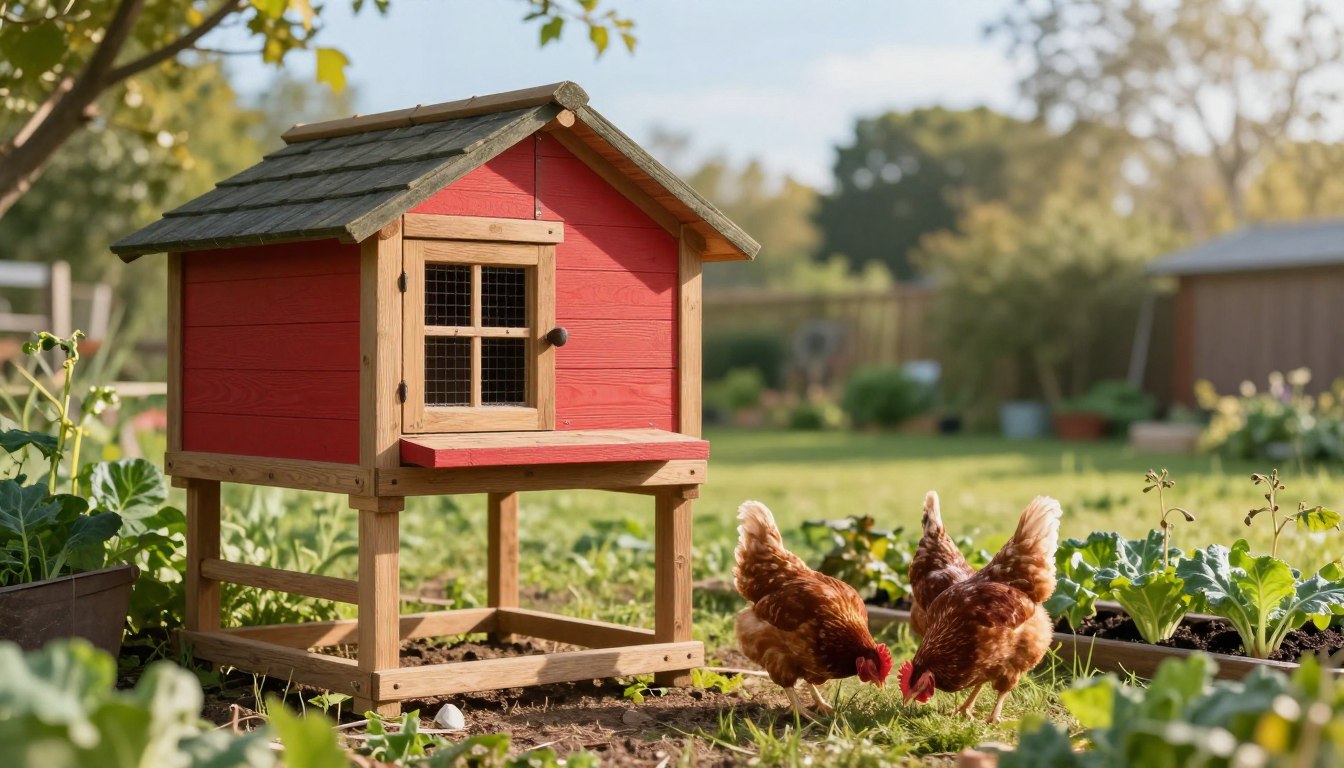
Constructing a backyard chicken coop is a rewarding way to protect your birds while maximizing your space. Whether you are a novice or a seasoned builder, selecting the right beginner chicken coop design depends on your specific budget and local zoning laws. By focusing on quality DIY poultry housing, you create a durable sanctuary that keeps your flock safe from predators and harsh weather for years to come.
Key Takeaways
- Building your own structure saves money compared to buying pre-made kits.
- Proper planning helps you navigate space constraints and local regulations.
- Focusing on ventilation and security is essential for bird health.
- Beginner-friendly designs allow for easy construction without advanced tools.
- Custom shelters provide better longevity and functionality for your specific flock size.
Essential Considerations Before Selecting DIY CHICKEN COOP PLANS
Selecting the right DIY CHICKEN COOP PLANS is the most critical step in your poultry journey. Before you purchase materials or download blueprints, you must verify your local zoning laws. Many municipalities have specific ordinances regarding the number of birds allowed and the required distance from property lines.
Your backyard chicken coop footprint should be determined by your available space and the size of your flock. It is wise to choose affordable coop plans that offer enough room for your birds to move comfortably. Cramped conditions often lead to stress and health issues for your chickens.
Always plan for future growth when evaluating DIY poultry housing options. Adding a few extra square feet now is much cheaper than building a second structure later. Proper preparation at this stage prevents expensive modifications during the actual construction process.
A well-planned coop is the foundation of a healthy and productive flock. Taking the time to research your local requirements will save you significant time and money in the long run.
To help you organize your project, consider the following factors when reviewing various DIY CHICKEN COOP PLANS:
| Planning Factor | Importance Level | Action Required |
|---|---|---|
| Zoning Compliance | Critical | Check city ordinances |
| Flock Size | High | Plan for 3-4 sq ft per bird |
| Budget | Medium | Compare affordable coop plans |
| Future Expansion | High | Add 20% extra space |
By focusing on these foundational requirements, you ensure your DIY poultry housing remains both functional and compliant. Investing time in the planning phase guarantees that your backyard chicken coop project stays within your budget while providing a safe environment for your birds.
Review of The Garden Coop Walk-In Design
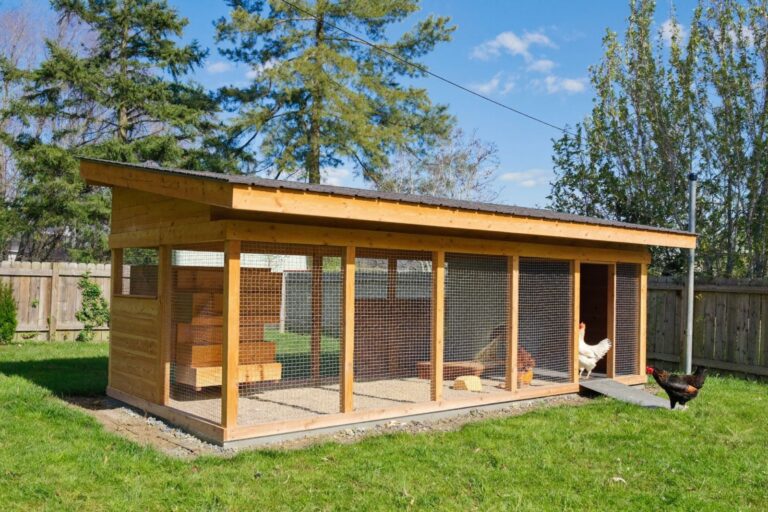
The Garden Coop stands out as a premier example of functional DIY CHICKEN COOP PLANS for backyard enthusiasts. This specific model is widely recognized for its ability to combine a spacious environment with high-level security. Many poultry keepers prefer a walk-in chicken coop because it makes daily chores significantly easier and more efficient.
Overview of the Walk-In Structure
This design focuses on maximizing vertical space, which keeps your flock comfortable and healthy. By providing a tall, walk-in interior, the owner can easily enter the space for routine cleaning or egg collection without bending over. The structural integrity of this build is impressive, ensuring that your birds remain safe from common backyard predators.
Pros
- Superior accessibility allows for stress-free cleaning and maintenance.
- The tall design provides excellent ventilation, which is crucial for flock health.
- Robust construction offers maximum protection against local predators.
Cons
- The larger footprint may not fit in smaller, urban backyard settings.
- Initial material costs can be higher compared to smaller, basic coop designs.
- Assembly requires a moderate level of skill and time investment.
Key Features
The core of this chicken coop design is its focus on human-friendly access. It features a full-sized door that allows you to walk inside comfortably. Furthermore, the framing is engineered to withstand harsh weather, providing a long-lasting home for your chickens.
Recommendations
We recommend these DIY CHICKEN COOP PLANS for those who have enough space in their yard and want a permanent, high-quality structure. It is an ideal choice for medium-sized flocks that require a secure and well-ventilated living area. If you prioritize ease of use and long-term durability, this design is a fantastic investment for your backyard.
Review of Ana White’s Modern Farmhouse Chicken Coop
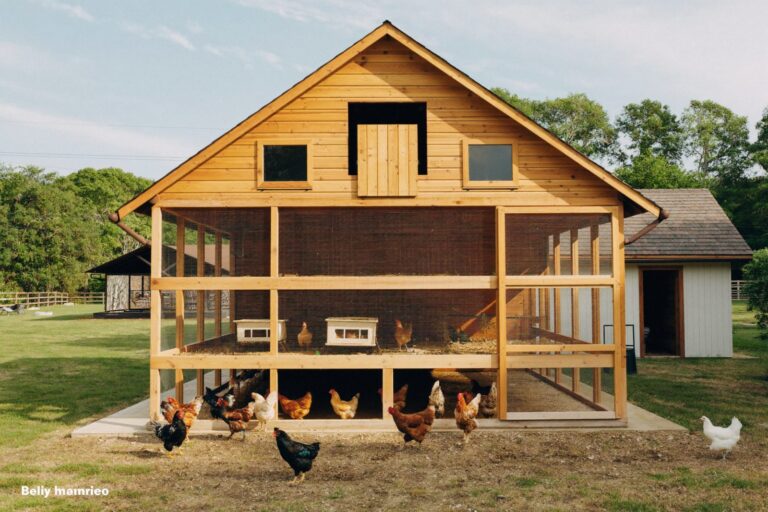
The modern farmhouse aesthetic has transformed how we approach DIY CHICKEN COOP PLANS for the home gardener. This specific model is widely celebrated for its ability to turn a functional structure into a beautiful focal point for your backyard. It serves as an excellent project for those who want a beginner chicken coop that does not look like a standard utility shed.
Design Aesthetics and Functionality
This chicken coop design prioritizes a clean, classic look that complements most residential landscapes. Beyond the visual appeal, the layout is engineered to provide a comfortable environment for your birds. It balances high-end style with the practical requirements of daily flock management.
Pros
- Highly attractive farmhouse-inspired exterior.
- Efficient use of standard lumber sizes, which helps reduce waste.
- Clear, step-by-step instructions that simplify complex DIY CHICKEN COOP PLANS.
Cons
- The intricate trim work may be challenging for a true beginner chicken coop builder.
- Requires more time for finishing touches compared to basic box-style coops.
Key Features
The modern farmhouse coop includes a spacious interior with dedicated nesting boxes that are easy to access from the outside. Proper ventilation is integrated into the roofline to ensure your flock stays healthy throughout the changing seasons. The sturdy frame is designed to withstand harsh weather, providing long-term value for your investment.
Recommendations
We recommend this model for those who value curb appeal as much as functionality. It is best suited for small to medium-sized flocks, typically housing four to six hens comfortably. If you are looking for a chicken coop design that elevates your garden while keeping your birds safe, this plan is a fantastic choice.
Review of The Fresh Eggs Daily Mobile Chicken Tractor
For those interested in sustainable farming, these DIY CHICKEN COOP PLANS offer a unique way to rotate your birds across the yard. A mobile chicken tractor is an excellent solution for owners who want to rotate their flock across different areas of the lawn. This approach ensures that your chickens always have access to fresh forage while naturally fertilizing your soil.
Portability and Pasture Management
Effective pasture management relies on the ability to move your coop frequently. By shifting the structure every few days, you prevent overgrazing and allow the grass to recover. This DIY CHICKEN COOP PLANS style is specifically engineered to make relocation a simple, one-person task.
Pros
- Promotes natural soil aeration and fertilization.
- Reduces the need for chemical lawn treatments.
- Provides chickens with constant access to fresh bugs and greens.
Cons
- Requires a flat, level surface for easy movement.
- Can be more vulnerable to ground predators if not secured properly.
- Weight management is critical to ensure the frame remains portable.
Key Features
The design typically incorporates heavy-duty wheels and a lightweight frame. These features allow the mobile chicken tractor to glide over uneven terrain without straining the structure. High-quality mesh siding ensures proper ventilation while keeping the flock safe from aerial threats.
Recommendations
When selecting a chicken coop design, prioritize materials like cedar or lightweight aluminum to keep the unit sturdy yet easy to move. We recommend adding reinforced handles to improve leverage during transport. Always verify that your chosen hardware can withstand frequent movement without loosening over time.
Review of MyOutdoorPlans Simple Backyard Coop
The MyOutdoorPlans collection offers a practical solution for those who want a reliable structure without high costs. These DIY CHICKEN COOP PLANS are designed specifically for individuals who prioritize efficiency and ease of assembly. By focusing on standard lumber sizes, these blueprints ensure that you can find everything you need at your local hardware store.
Budget-Friendly Construction Methods
The core philosophy behind these designs is to minimize waste while maximizing structural integrity. By utilizing common framing techniques, you can build a backyard chicken coop that stands the test of time without requiring expensive materials. This approach is perfect for those who want to keep their budget under control while providing a safe environment for their birds.
Pros
- Extremely affordable coop plans that reduce overall material costs.
- Clear, step-by-step diagrams that simplify the building process.
- Minimal tool requirements, making it an ideal beginner chicken coop project.
Cons
- The aesthetic is strictly utilitarian, which may not suit those looking for high-end architectural flair.
- Limited ventilation options in the base design require minor modifications for hot climates.
- Standard sizing may feel cramped for larger, heavy-breed flocks.
Key Features
These plans feature a straightforward shed-style roof that is easy to shingle and maintain. The structure includes a dedicated nesting box area and a secure door for easy cleaning access. Every component is designed to be modular and functional, ensuring that even a novice builder can achieve professional results.
Recommendations
To get the most out of these DIY CHICKEN COOP PLANS, we suggest using pressure-treated lumber for the base to prevent rot. Adding a layer of hardware cloth instead of standard chicken wire will significantly improve the security of your backyard chicken coop. Finally, consider painting the exterior with high-quality outdoor paint to protect the wood from harsh weather conditions.
Review of The Spruce Crafts A-Frame Chicken Coop
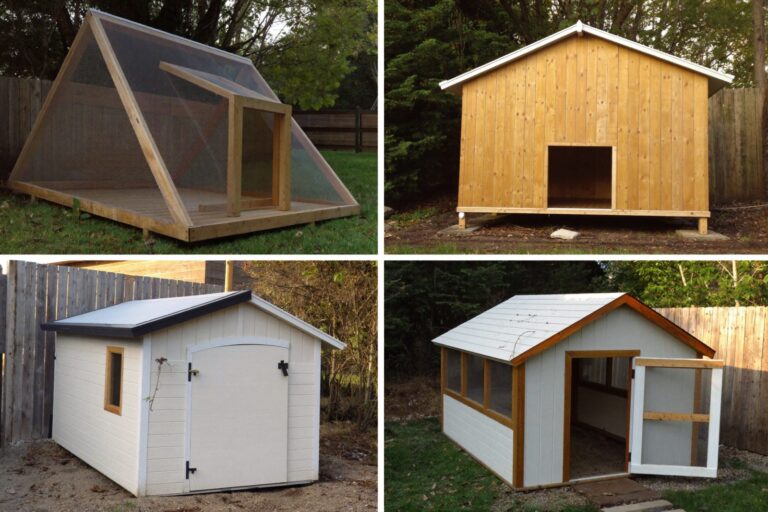
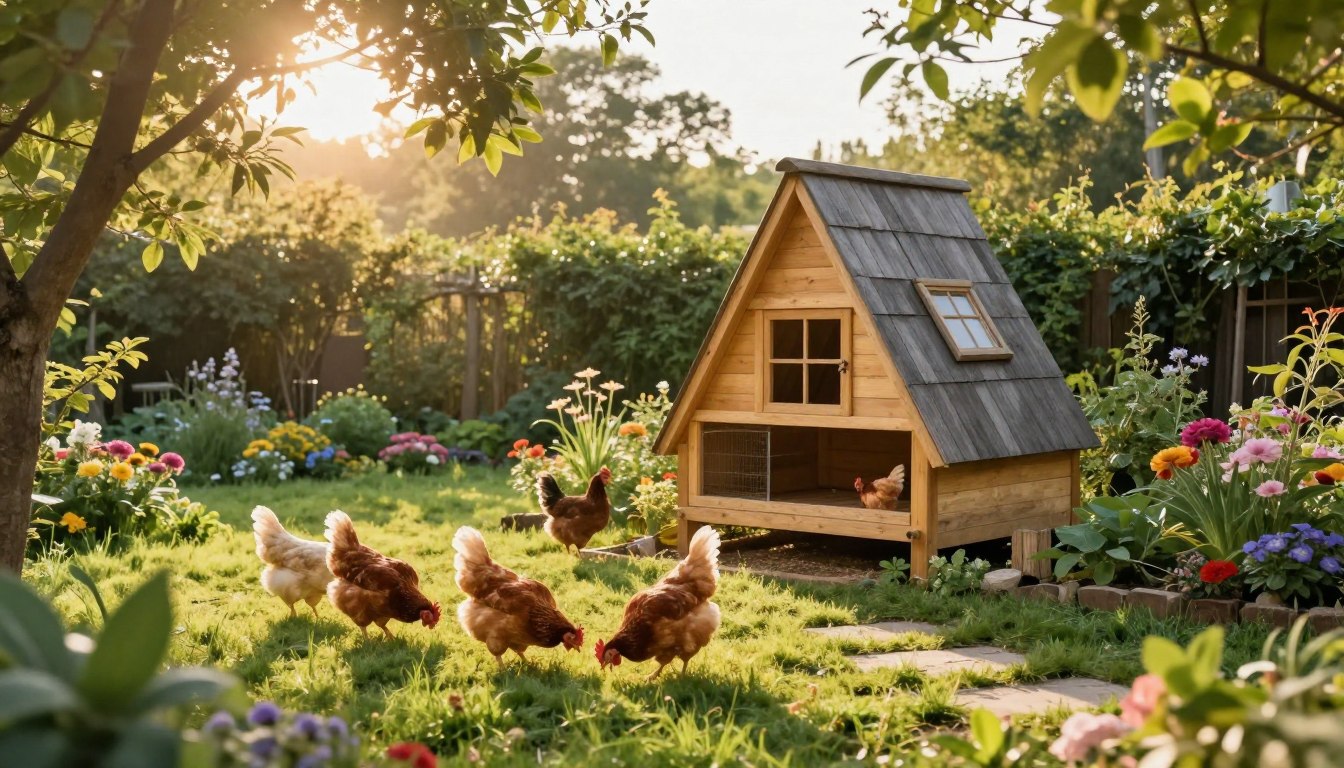
If you are limited on backyard space, the A-frame design offers a clever solution for your small flock coop. These DIY CHICKEN COOP PLANS prioritize a compact footprint without sacrificing the essential needs of your birds. By utilizing a triangular geometry, this style creates a sturdy structure that fits neatly into tight corners or narrow garden paths.
Space-Saving Solutions for Small Flocks
The A-frame chicken coop design is widely celebrated for its ability to maximize interior volume while keeping the exterior profile minimal. This configuration allows for a natural flow of air, which is vital for maintaining a healthy environment for your hens. Because the walls slope inward, the structure remains stable even in areas prone to high winds.
“Good design is as little design as possible, and the A-frame proves that simplicity often yields the most functional results for backyard poultry keepers.”
Pros
- Excellent ventilation due to the steep roof pitch.
- Small footprint makes it ideal for urban or suburban settings.
- The triangular shape is naturally resistant to heavy snow loads.
Cons
- Limited headroom can make cleaning the interior a bit challenging.
- The sloped walls reduce the usable floor space for taller accessories.
- Not suitable for larger breeds that require significant vertical clearance.
Key Features
These DIY CHICKEN COOP PLANS typically include a built-in nesting box and a secure run area. The design often features a hinged side panel, allowing for easy access to eggs and routine maintenance. This specific chicken coop design is often lightweight, making it a great candidate for those who want a portable setup.
Recommendations
We recommend this model for owners managing a small flock coop of three to four hens. If you have a larger group, you may find the interior space too restrictive for long-term comfort. Always ensure your chosen DIY CHICKEN COOP PLANS allow for adequate square footage per bird to prevent stress and overcrowding.
Selecting the Right Materials for Durability
When you build a chicken coop, the quality of your materials determines how well it survives the changing seasons. Selecting the correct chicken coop materials is vital to ensure your structure can withstand harsh environmental conditions without constant repairs. By investing in the right supplies now, you avoid the headache of frequent maintenance in the future.
Choosing Weather-Resistant Lumber
The frame of your coop is the most important part of the structure. Using weather-resistant lumber is the best way to prevent rot and decay caused by moisture and soil contact. Cedar and redwood are excellent natural choices because they contain oils that repel insects and resist water damage.
If you are on a tighter budget, pressure-treated wood is a reliable alternative for the base and floor joists. Always ensure that any treated wood used inside the coop is safe for animals. Proper sealing with non-toxic stains can further extend the life of your lumber by creating a protective barrier against the elements.
Hardware and Roofing Considerations
Your choice of coop hardware plays a major role in both structural integrity and predator protection. Always opt for galvanized or stainless steel hinges and latches to prevent rust from weakening your doors. A secure latch is essential to keep your flock safe from curious predators that might try to pry their way inside.
When it comes to coop roofing, you need a material that keeps the interior dry and well-insulated. Metal roofing is highly durable and sheds snow or rain easily, while asphalt shingles provide a classic look with good longevity. Ensure your roof has a slight pitch to prevent water from pooling on top of the structure.
| Material Type | Primary Benefit | Best Use Case |
|---|---|---|
| Cedar Lumber | Natural Rot Resistance | Exterior Siding and Framing |
| Galvanized Steel | Rust Prevention | Latches and Hinges |
| Metal Roofing | Weather Durability | Coop Roof Panels |
| Pressure-Treated Wood | High Strength | Base and Floor Joists |
Tools Required for Successful Coop Construction
Before you start to build a chicken coop, ensure your toolbox is fully equipped. Having the right coop construction tools is essential for completing your project safely and efficiently. Proper preparation allows you to focus on the assembly process rather than searching for missing items.

Power Tools for Efficiency
Power tools significantly speed up the assembly process, especially when working with heavy lumber. A high-quality circular saw is vital for making straight, clean cuts across your boards. Additionally, a cordless drill is indispensable for driving screws quickly and securely into your frame.
“The quality of your work is often a direct reflection of the quality of your tools.”
Hand Tools for Precision Work
While power tools handle the heavy lifting, hand tools provide the accuracy needed for a professional finish. A reliable measuring tape ensures every board is cut to the exact length required by your plans. Using a speed square and a level helps you maintain perfect angles and vertical alignment throughout the build.
Investing in these coop construction tools will save you time and frustration. When you take the time to measure twice and cut once, you ensure your structure remains sturdy for years to come. Use the following table to organize your workspace before you begin to build a chicken coop.
| Tool Category | Primary Use | Key Benefit |
|---|---|---|
| Circular Saw | Cutting Lumber | Speed and Precision |
| Cordless Drill | Fastening Screws | Efficiency |
| Speed Square | Marking Angles | Structural Accuracy |
| Level | Checking Alignment | Stability |
Safety Protocols for Your Backyard Flock
Your backyard chicken coop serves as the primary line of defense against local wildlife. Creating a secure environment requires a thoughtful chicken coop design that addresses both physical threats and environmental needs. Balancing these elements ensures your birds remain healthy and stress-free throughout the year.
Predator-Proofing Your Design
To build a truly predator-proof coop, you must use high-quality materials that withstand persistent digging and chewing. Avoid using chicken wire, as it is easily torn by raccoons or foxes. Instead, install heavy-duty hardware cloth with a half-inch mesh size across all windows and openings.
Secure locking mechanisms are equally vital for your backyard chicken coop. Standard latches are often no match for clever predators, so opt for two-step locking carabiners or padlocks. Additionally, consider burying hardware cloth at least twelve inches deep around the perimeter to prevent animals from tunneling underneath your structure.
Ventilation and Airflow Requirements
Proper coop ventilation is essential to prevent the buildup of ammonia and moisture. Without adequate airflow, your birds may suffer from respiratory issues or frostbite during colder months. A well-designed chicken coop design places vents high up on the walls to allow warm, moist air to escape without creating direct drafts on the roosting bars.
Effective coop ventilation relies on the stack effect, where fresh air enters low and stale air exits through roof or gable vents. Always cover these openings with hardware cloth to maintain security while maximizing air exchange. This careful balance keeps the interior environment dry and comfortable for your flock.
| Feature | Security Benefit | Ventilation Impact |
|---|---|---|
| Hardware Cloth | High (Prevents entry) | High (Allows airflow) |
| Roof Vents | Medium (Needs screening) | High (Removes moisture) |
| Solid Latches | High (Prevents opening) | None |
| Burying Wire | High (Prevents digging) | None |
Common Mistakes to Avoid During Assembly
Building a backyard coop is an exciting project, but even small errors can lead to significant headaches later on. When you build a chicken coop, your primary goal should be creating a safe and durable environment for your birds. By identifying potential coop assembly mistakes early, you can ensure your structure stands the test of time.
Structural Integrity Pitfalls
Many builders overlook the importance of proper bracing, which can lead to a sagging or wobbly coop. Without adequate support, the weight of the roof and the pressure from high winds can compromise the entire frame. Always use high-quality screws rather than nails to ensure the joints remain tight and secure over the years.
Another frequent issue involves using materials that are not rated for outdoor exposure. If you choose thin or untreated wood, your structure will likely rot or warp within a few seasons. To maintain long-term stability, consider these essential construction tips:
- Use corner bracing: Always add diagonal supports to prevent the frame from racking.
- Secure the roof: Ensure rafters are properly anchored to the top plates to withstand heavy snow or wind.
- Check hardware: Use galvanized or stainless steel fasteners to prevent rust and structural failure.
Placement and Site Preparation Errors
Proper coop site preparation is just as important as the construction itself. Many beginners place their coop in a low-lying area, which leads to standing water and muddy conditions during the rainy season. A damp floor is a breeding ground for bacteria and can cause serious health issues for your flock.
Before you begin assembly, take the time to level the ground thoroughly. A coop built on uneven terrain will eventually shift, causing doors to stick and gaps to form in the walls. These gaps not only let in drafts but also provide entry points for unwanted predators.
Consider the following checklist to ensure your site is ready for construction:
| Preparation Step | Why It Matters | Recommended Action |
|---|---|---|
| Leveling | Prevents structural shifting | Use a long level and tamper |
| Drainage | Keeps the coop dry | Choose high ground or add gravel |
| Orientation | Optimizes airflow | Face the coop away from prevailing winds |
Taking these extra steps during the planning phase will save you significant time and effort. A well-prepared site provides a solid foundation that keeps your coop stable and your chickens happy. Attention to detail during these initial stages is the secret to a successful backyard project.
Conclusion
Building a custom home for your chickens transforms your outdoor space into a productive sanctuary. This rewarding project provides a safe and comfortable environment for your birds while adding value to your property. You now possess the knowledge to select the right plans and materials for your specific needs.
Success in this endeavor relies on your commitment to quality construction. A durable backyard chicken coop protects your investment against harsh weather and local predators. Focus on precision during the assembly phase to ensure your structure stands the test of time.
Your DIY construction journey leads to a healthier, happier flock. Consistent maintenance and regular safety checks keep your coop in top condition throughout the seasons. Take the first step toward your new build and enjoy the benefits of raising your own chickens. Share your progress with fellow enthusiasts to inspire others in the community.
FAQ
Why should I choose DIY chicken coop plans instead of buying a pre-built model?
Utilizing DIY chicken coop plans is a highly cost-effective way to ensure the health and safety of your birds. By building it yourself, you can customize the structure to fit your specific space and budget, ensuring a higher quality of DIY poultry housing than many mass-produced alternatives.
What should I check before I start building my backyard chicken coop?
It is essential to assess your local zoning laws and specific space requirements first. Additionally, you should plan for future flock expansion to avoid the need for a second structure, ensuring your affordable coop plans remain functional as your hobby grows.
What are the benefits of The Garden Coop walk-in design?
The Garden Coop is favored for its structural integrity and ease of access. This walk-in chicken coop design simplifies daily maintenance and egg collection by maximizing vertical space, keeping the flock comfortable and secure.
Is Ana White’s Modern Farmhouse Chicken Coop suitable for beginners?
Yes, Ana White’s design is highly regarded for its user-friendly construction methods. It balances design aesthetics with material efficiency, making it a stylish and durable beginner chicken coop for any backyard.
How does the Fresh Eggs Daily Mobile Chicken Tractor help with yard maintenance?
The Fresh Eggs Daily Mobile Chicken Tractor is designed for portability and effective pasture management. By rotating the flock, you facilitate natural chicken fertilization, which significantly improves soil health across your property.
Which plans are best for someone on a very tight budget?
MyOutdoorPlans offers a simple backyard chicken coop layout that focuses on budget-friendly construction methods. These affordable coop plans provide cost-saving tips without sacrificing the structural integrity of the build.
What is the best design for a small flock in a limited area?
The Spruce Crafts A-Frame Chicken Coop is an ideal space-saving solution. This small flock coop maximizes interior room while ensuring adequate coop ventilation and easy access for the owner.
What materials are necessary for a long-lasting chicken coop?
To ensure durability, you must use weather-resistant lumber to prevent rot. Additionally, investing in high-quality coop hardware and robust coop roofing will keep your structure dry and secure against harsh environmental conditions.
What tools do I need for a successful build a chicken coop project?
Efficiency requires power tools like circular saws and cordless drills. For precision, you will need coop construction tools such as levels, squares, and measuring tapes to ensure all joints are secure and accurate.
How do I make my chicken coop predator-proof?
Creating a predator-proof coop requires the use of heavy-duty hardware cloth rather than standard chicken wire, along with secure locking mechanisms. Proper coop ventilation must also be installed high enough to prevent predators from reaching the birds.
What are the most common mistakes to avoid during assembly?
Many builders fail at coop site preparation, such as leveling the ground or ensuring proper drainage. To maintain structural integrity, avoid improper bracing and always follow the specific DIY chicken coop plans to prevent costly modifications later.