Chicken Coop Plans with Run: Easy DIY Blueprints for Beginners
These chicken coop plans with run give beginners a clear, step-by-step path to building a safe, spacious home for their flock. Starting your own backyard poultry sanctuary is a truly rewarding experience. You gain fresh eggs daily while enjoying the charm of farm life right at home. Building a structure yourself allows you to customize the space to fit your specific needs.
By utilizing professional chicken coop plans with run, you can significantly reduce construction costs. These guides ensure your birds stay healthy, safe, and comfortable throughout the year.
You do not need expert carpentry skills to succeed. Our easy DIY blueprints provide a clear roadmap for beginners to follow. By choosing the right design layout, you will transform your outdoor area into a functional, attractive environment that adds value to your property.
Key Takeaways
- Building your own structure saves money compared to buying pre-made kits.
- Proper designs ensure your flock remains secure from local predators.
- Beginner-friendly guides make the construction process simple and stress-free.
- Customizing your layout improves the overall health of your birds.
- A well-planned space enhances the aesthetic appeal of your backyard.
Why Building Your Own Chicken Coop is a Rewarding Investment
Why settle for a generic store-bought coop when you can craft a custom home for your flock? Constructing your own DIY chicken coop allows you to tailor the structure specifically to your yard’s unique layout and your flock’s size. Implementing detailed layouts ensures that every inch of space serves a purpose for your birds.
Engaging in backyard chicken housing projects provides a sense of accomplishment that pre-fabricated kits simply cannot match. While store-bought options often rely on thin materials, a custom build allows you to select high-quality lumber and hardware. You will find that your finished structure offers superior durability and weather resistance compared to mass-produced alternatives.
Furthermore, poultry farming for beginners becomes significantly more manageable when you understand every structural detail of your coop. By building it yourself, you gain the knowledge needed to perform quick repairs and routine maintenance with confidence. Investing your time in a proper build ensures that your chickens have a healthy living space that promotes long-term productivity and happiness.
Essential Tools and Materials for Your DIY Project
Your journey toward a successful DIY chicken coop begins with selecting the right gear. Proper preparation ensures that your structure remains stable and safe for your flock throughout the changing seasons. By following basic woodworking instructions, you can streamline your shopping list and avoid unnecessary expenses.
Selecting Quality Lumber and Hardware
When you decide to build a chicken coop, choosing the right wood is your first priority. Opt for pressure-treated lumber for the base frame to prevent rot from ground moisture. For the walls and roof, cedar or redwood are excellent choices because they naturally resist decay and insects, making them ideal for outdoor poultry environments.
Do not overlook the importance of high-quality hardware. Always use galvanized or stainless steel screws instead of nails to ensure the joints stay tight over time. These materials provide the structural integrity needed to withstand harsh weather conditions in the United States.
Must-Have Power Tools for Beginners
Tackling beginner woodworking projects becomes much simpler when you have the right power tools in your workshop. A circular saw is essential for making precise cuts on your lumber, while an impact driver makes fastening boards together quick and effortless. These tools are staples for anyone looking to build their coop efficiently.
Safety should always remain your top priority during construction. Invest in a pair of quality work gloves and safety glasses to protect yourself while you work. Using these tools correctly will help you execute your easy DIY blueprints with professional results.
| Category | Recommended Item | Primary Benefit |
|---|---|---|
| Lumber | Pressure-Treated Pine | Rot Resistance |
| Fasteners | Galvanized Screws | Rust Prevention |
| Power Tool | Circular Saw | Precision Cutting |
| Power Tool | Impact Driver | Fast Assembly |
Selecting the Perfect Location for Your Chicken Coop Plans with Run
Before you break ground, you must carefully evaluate your yard to find the perfect home for your flock. Your choice of chicken coop location will dictate the long-term success of your DIY project and the overall health of your birds. Proper planning ensures that your structure remains a safe, dry, and comfortable sanctuary for years to come.
Evaluating Sunlight and Drainage Requirements
Natural elements play a massive role in the daily life of your chickens. You should aim for a spot that receives plenty of morning sunlight to keep the interior warm during chilly winter months. Avoid low-lying areas where water tends to pool, as poor drainage leads to muddy conditions that harbor bacteria.
If your yard is naturally damp, consider building your base on a slight slope or adding a gravel foundation. This simple step prevents moisture buildup and keeps the floor of your chicken coop plans with run dry and sanitary. A well-drained site is the foundation of a healthy, thriving flock.
Accessibility for Daily Maintenance
Efficiency is key when you are managing a backyard flock. You want a chicken coop location that is close enough to your house for quick trips, yet far enough to maintain a pleasant environment. Placing your coop near a water source will make chicken coop maintenance significantly easier during the hot summer months.
Think about your daily path when you head out to collect eggs or refill feeders. By choosing a spot that is easy to reach, you ensure that your routine never feels like a chore. When you follow these specific chicken coop plans with run, you create a setup that works for you, not against you.
Designing for Safety: Predator-Proofing Your Setup
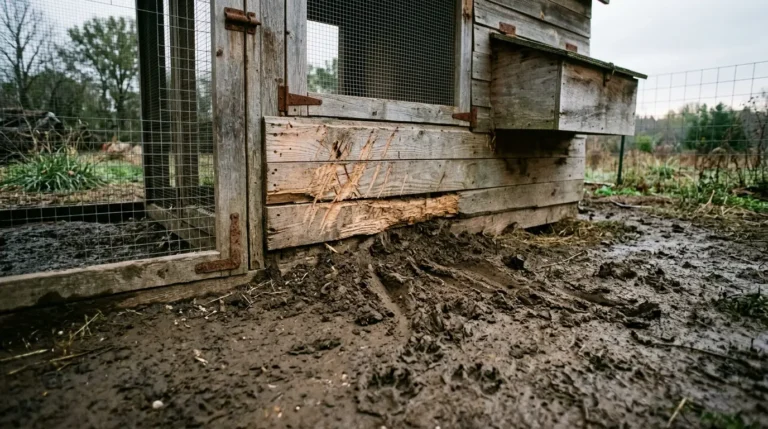
You must design your coop with the assumption that clever predators will test every inch of your structure. Creating a safe chicken enclosure is the most important responsibility you have as a backyard poultry keeper. If you fail to account for local wildlife, you risk losing your flock to persistent threats like raccoons, foxes, or hawks.
Choosing the Right Gauge Hardware Cloth
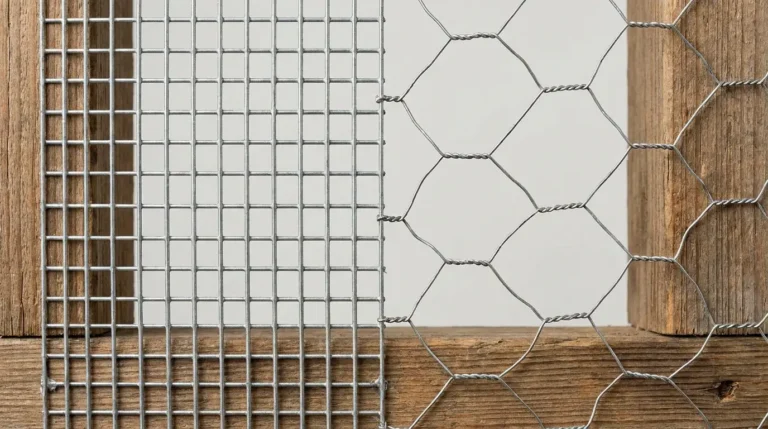
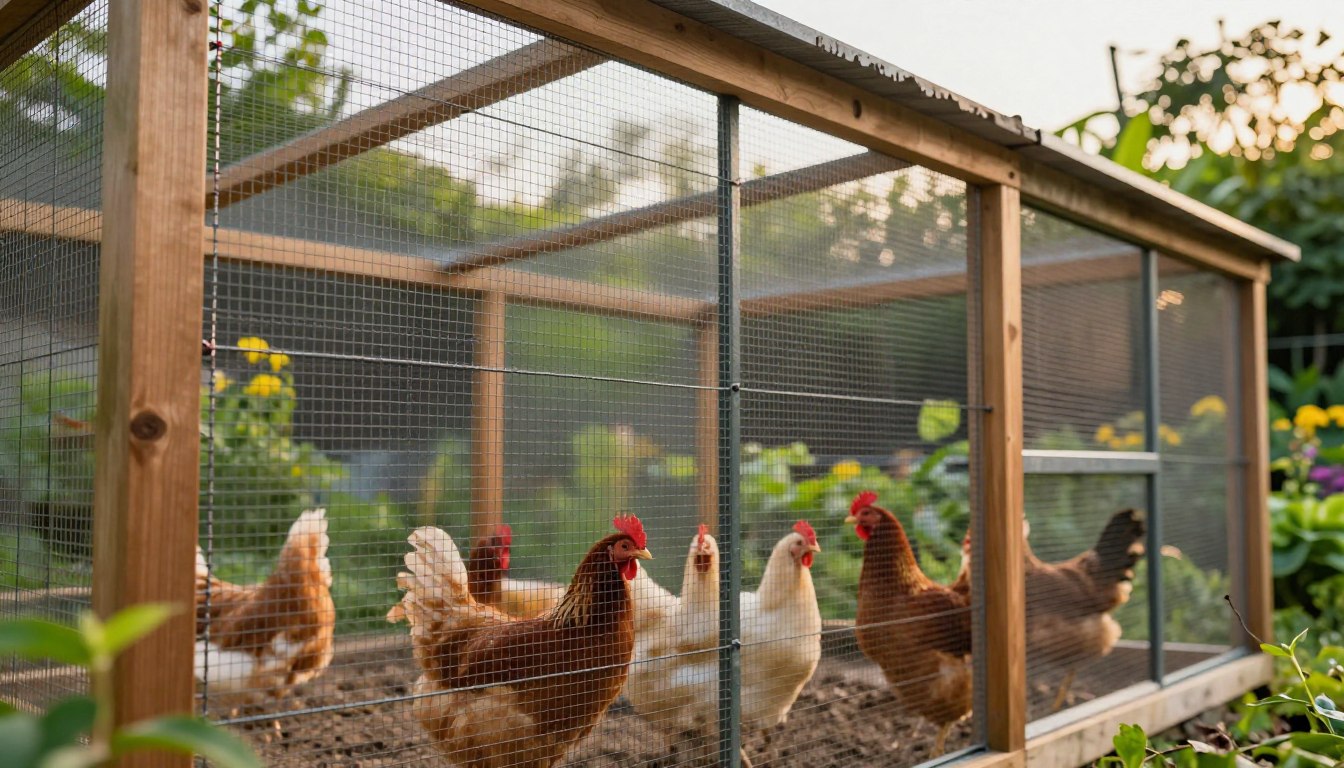
Many beginners make the mistake of using standard chicken wire, which is easily torn apart by determined animals. Instead, you should always opt for high-quality hardware cloth for chickens. This welded wire mesh provides the structural integrity needed to keep your birds secure.
For the best results, select a 1/2-inch or 1/4-inch gauge wire. This specific size prevents even the smallest predators from reaching through the gaps. Investing in heavy-duty materials now will save you from heartbreak and costly repairs later.
Securing Latches and Entry Points
A predator-proof coop is only as strong as its weakest point, which is often the door. Raccoons are notoriously clever and can easily manipulate simple slide bolts or hook-and-eye latches. You must install heavy-duty, locking latches that require human dexterity to operate to finish your project securely.
Consider using carabiners or padlocks to add an extra layer of security to your entry points. By taking these precautions, you ensure your safe chicken enclosure remains a sanctuary for your flock. Remember, a truly predator-proof coop requires constant vigilance and robust hardware to keep your birds thriving.
Step-by-Step Foundation and Framing Techniques
The secret to a durable structure lies in the precision of your initial framing and site preparation. When you build a chicken coop, the longevity of the entire project depends on a solid chicken coop foundation that prevents rot and keeps the interior dry. Investing time in these early stages ensures your structure remains stable for years to come.
Preparing the Ground Level
Before you begin any chicken coop construction, you must clear the site of all grass, rocks, and debris. A level surface is essential to prevent the structure from shifting or settling unevenly over time. You should use a long level and a string line to ensure the ground is perfectly flat across the entire footprint.
Proper drainage is equally important to keep your hens healthy. If the site is prone to pooling water, consider adding a layer of crushed gravel to improve runoff. This simple step protects your wood from moisture damage and keeps the coop floor dry during heavy rain.
Building a Sturdy Base Frame
Once the ground is prepared, you can start the chicken coop framing process by building a robust base frame. Use pressure-treated lumber to resist decay, as this material will be in direct contact with the earth or gravel. When implementing these plans, structural integrity is your primary goal, so ensure every joint is fastened securely with exterior-grade screws.
Always measure diagonally from corner to corner to verify that your frame is square. If the measurements match, your base is ready for the walls. Proper framing techniques at this stage guarantee that your walls remain plumb and the roof stays square during the final assembly. By focusing on these foundational steps, you create a rigid structure that can withstand high winds and heavy snow loads.
Constructing the Walls and Weatherproof Roofing
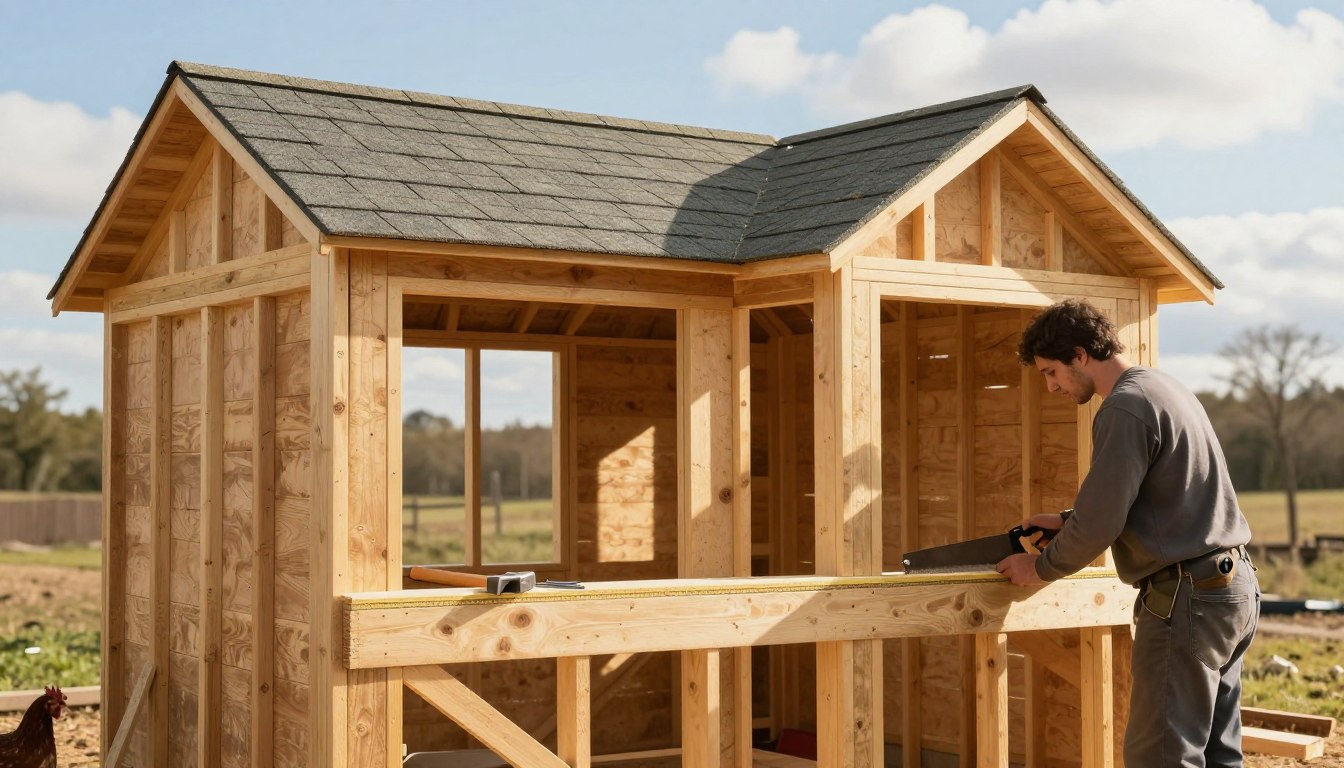
Elevating your project from a simple base to a secure shelter involves precise framing and weatherproofing. Once the foundation is set, you must focus on the vertical elements that provide safety for your birds. Proper chicken coop construction ensures that your structure remains stable against high winds and heavy rain throughout the year.
Framing the Vertical Supports
Successful chicken coop framing relies on consistent spacing and plumb vertical lines. Most beginner woodworking projects benefit from using standard 2×4 lumber, which is easy to handle and provides excellent structural support. You should space your studs every 16 or 24 inches to ensure the walls can support the weight of the roof and siding as outlined in your blueprints.
Always use a level to verify that each stud is perfectly vertical before securing it to the base. This simple step prevents structural leaning and makes attaching your siding much easier later on. Strong connections at the corners are vital for long-term durability.
Applying Siding and Roofing Materials
Selecting the right materials for your chicken coop roofing is essential for keeping the interior dry. Whether you choose corrugated metal panels or traditional asphalt shingles, ensure that you have a slight slope to allow for proper water runoff. A waterproof barrier, such as roofing felt or synthetic underlayment, provides an extra layer of protection against leaks.
For the exterior walls, exterior-grade plywood or cedar siding works best to withstand the elements. You should seal all joints with high-quality caulk to prevent drafts from entering the coop. Investing in quality materials now will save you time and money on repairs in the future.
| Material Type | Durability | Installation Ease | Cost |
|---|---|---|---|
| Corrugated Metal | High | Moderate | Medium |
| Asphalt Shingles | Medium | High | Low |
| Cedar Shakes | High | Low | High |
Installing Functional Nesting Boxes and Roosting Bars
Creating an efficient layout is a cornerstone of successful poultry farming for beginners. A well-thought-out hen house design ensures your birds remain healthy, productive, and stress-free throughout the year.
Calculating Space Requirements per Hen
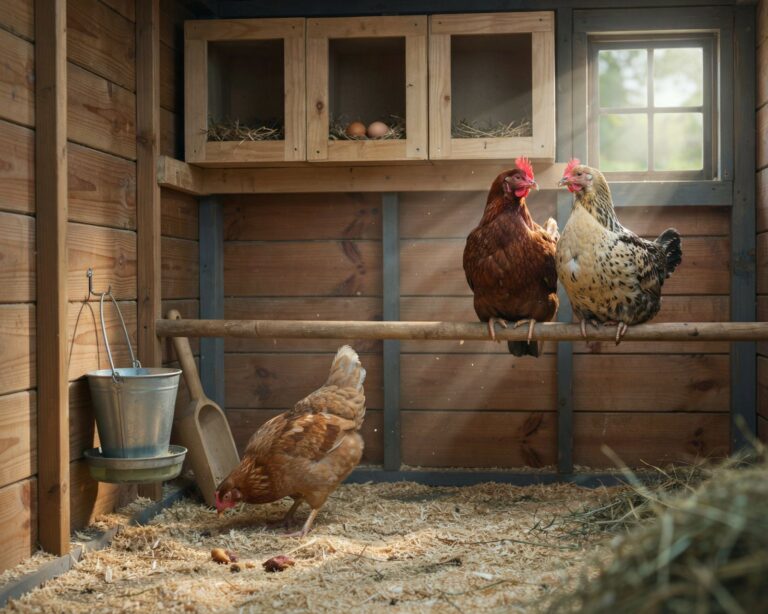
Overcrowding is a common mistake that leads to aggressive behavior and poor health. You should provide at least two to three square feet of interior floor space per bird to keep the flock calm.
Roosting bars are equally important for a restful night. Each hen requires approximately eight to ten inches of linear roosting space to perch comfortably without feeling cramped.
Ergonomic Design for Easy Egg Collection
Your coop nesting boxes should be placed in a quiet, dark corner to encourage consistent laying. Aim for one box for every four hens to prevent competition and broken eggs.
Designing these boxes with an external access door makes daily chores much faster. This feature allows you to collect fresh eggs without entering the main coop area, which keeps the environment cleaner.
| Feature | Recommended Space | Primary Benefit |
|---|---|---|
| Floor Space | 2-3 sq. ft. per hen | Reduces stress |
| Roosting Bar | 8-10 inches per hen | Promotes rest |
| Nesting Box | 1 box per 4 hens | Increases production |
By following these guidelines, you create a functional space that supports your flock’s natural instincts. A proper hen house design is the best investment you can make for long-term success.
Building the Attached Run for Maximum Exercise Space
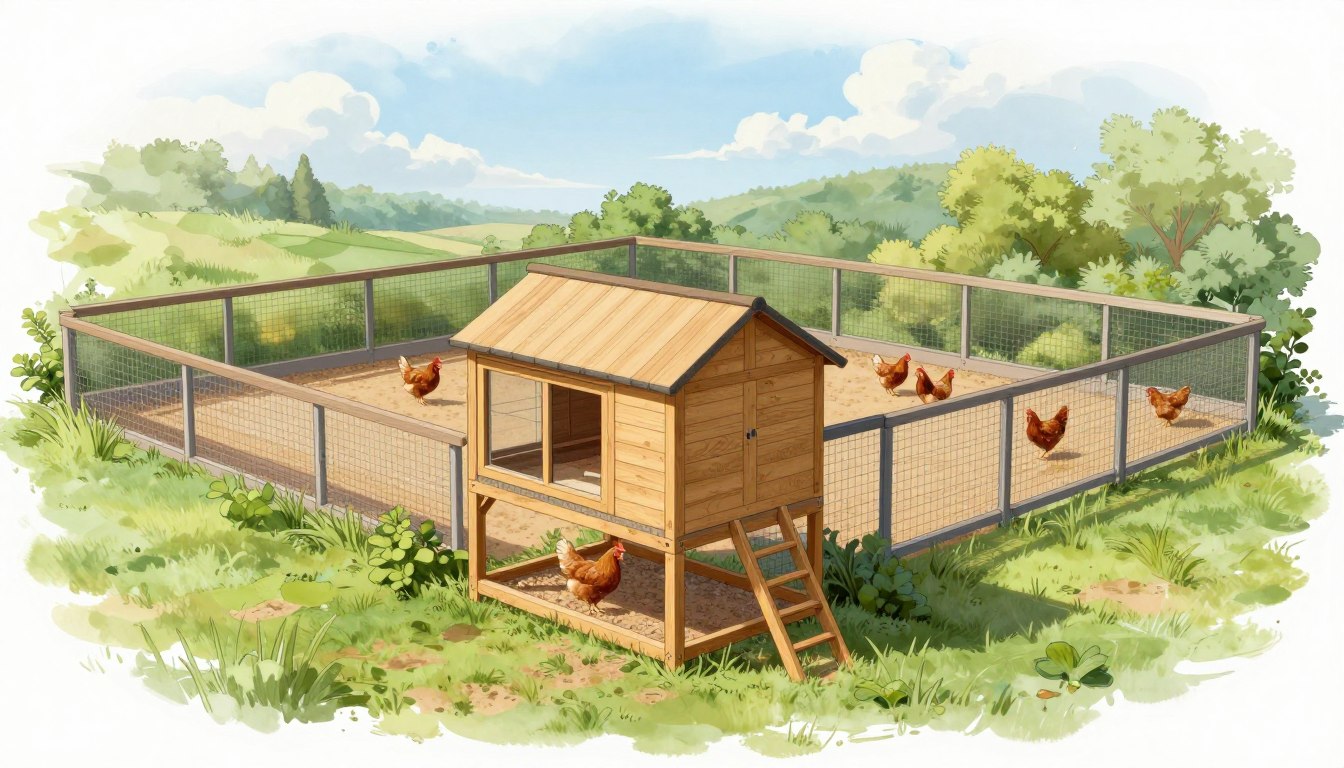
A well-constructed run transforms your backyard coop into a complete, thriving habitat for your birds. The best chicken coop plans with run always treat this spacious outdoor area as essential to their long-term health and happiness. By adding a dedicated space for foraging and exercise, you ensure your chickens remain active and stress-free throughout the day.
Framing the Enclosure Perimeter
The foundation of a successful DIY poultry run begins with a solid, well-anchored frame. You must securely attach the perimeter of the run to the main coop structure to prevent any gaps that predators could exploit. Use pressure-treated lumber to ensure the base can withstand constant exposure to moisture and soil contact.
Ensure your frame is perfectly square and level before securing it to the ground with heavy-duty stakes or concrete footings. A sturdy frame acts as the backbone of your safe chicken enclosure, providing the necessary rigidity to support heavy wire mesh. Consistency in your measurements during this phase will save you significant time when you begin attaching the siding and roofing materials.
Attaching Wire Mesh for Optimal Security
Once the frame is complete, the next priority is installing the right protective barrier. Using high-quality hardware cloth for chickens is the most effective way to keep out determined intruders like raccoons, foxes, and weasels. Unlike standard chicken wire, this welded mesh is nearly impossible for predators to tear or bend.
To create a truly predator-proof coop, follow these professional installation tips:
- Overlap the mesh: Ensure the wire overlaps at every seam by at least two inches to maintain structural integrity.
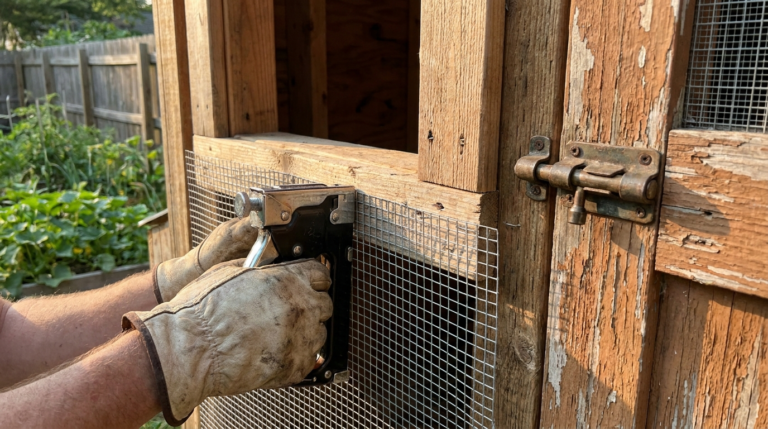
- Use washers and screws: Secure the mesh using fender washers and wood screws rather than simple staples, which can pull out over time.
- Bury the edges: Extend the hardware cloth for chickens at least 12 inches outward along the ground or bury it vertically to prevent predators from digging underneath.
- Check every latch: A safe chicken enclosure is only as strong as its weakest point, so double-check that all entry points are reinforced.
By following these steps, you build a predator-proof coop that offers your flock the freedom they deserve. A well-designed DIY poultry run is the final, vital step in creating a comprehensive home where your chickens can thrive safely.
Ventilation and Interior Maintenance Tips
A well-ventilated coop is the best defense against common poultry health issues. When you prioritize proper hen house design, you create a sanctuary that protects your flock from seasonal stressors. Focusing on these interior details will save you significant time and effort in the long run.
Managing Airflow to Prevent Respiratory Issues
Effective chicken coop ventilation is often the most overlooked element of a successful build. Without proper airflow, ammonia from droppings builds up quickly, which can lead to severe respiratory infections in your birds. You must ensure that moisture escapes the structure efficiently to keep the air fresh and dry.
The best strategy involves installing vents high up near the chicken coop roofing. By placing these openings near the roofline, you allow warm, moist air to rise and exit the building naturally. This placement is critical because it prevents stagnant air pockets while ensuring that your chickens are not exposed to harmful, direct drafts during colder months.
Choosing Easy-to-Clean Flooring Materials
Streamlining your chicken coop maintenance starts with the floor beneath your birds’ feet. A smooth, non-porous surface makes daily cleaning much faster and more sanitary. Many successful keepers prefer installing heavy-duty vinyl flooring over the wooden chicken coop foundation to prevent moisture absorption and make waste removal a breeze.
Alternatively, you might consider a deep-litter system if you prefer a more natural approach. This method involves layering organic materials like pine shavings or straw, which break down over time to create a healthy, compostable base. Regardless of the method you choose, keeping the floor dry and clean is the most effective way to maintain a thriving, disease-free environment for your flock.
Conclusion
Creating a custom home for your birds is a rewarding project that yields fresh eggs and joy for years. With these chicken coop plans with run, you now possess the knowledge to build a structure that keeps your flock safe and productive.
Success in backyard chicken housing starts with a solid plan. Your choice of chicken coop location dictates how well the structure handles wind and rain. Proper chicken coop ventilation keeps the air fresh and prevents moisture buildup during cold months.
A well-built DIY poultry run gives your birds the space they need to exercise and forage safely. Integrating comfortable coop nesting boxes ensures your hens feel secure while laying. All these configurations help build a comprehensive backyard hobby environment.
Take these blueprints and start your construction project today. You have the tools and the vision to create a backyard space that stands the test of time. Your commitment to quality craftsmanship will provide a healthy life for your flock.
FAQ
Why should I use professional chicken coop plans with run instead of a pre-built kit?
While kits from stores like Tractor Supply may seem convenient, they often lack the durability required for long-term use. By using professional-grade chicken coop plans, you can source high-quality YellaWood pressure-treated lumber and heavy-duty hardware from Home Depot, ensuring your structure is built to last. DIY blueprints allow you to customize the design to fit your specific backyard layout while saving significant money on labor and retail markups.
What are the essential power tools required for poultry farming for beginners?
To successfully complete these beginner woodworking projects, you should have a reliable DeWalt circular saw for precise lumber cuts and a Ryobi impact driver for securing frame joints. These tools, combined with a Kreg Jig for pocket-hole joinery, make the assembly process of your chicken coop plans with run efficient, safe, and professional-looking even if you have minimal carpentry experience.
How do I ensure my DIY poultry run is truly predator-proof?
A predator-proof coop requires more than just standard chicken wire, which many predators can tear through. You must use 1/2-inch or 1/4-inch gauge hardware cloth secured with galvanized poultry staples. Additionally, installing heavy-duty locking latches from National Hardware on all entry points will prevent clever animals like raccoons from gaining access to your flock.
What is the best chicken coop location for maintaining a healthy flock?
Your chicken coop location should be chosen based on natural drainage to avoid mud accumulation and positioned to receive ample sunlight during the winter months. Accessibility is also key; ensure the site allows for easy chicken coop maintenance and daily egg collection. Strategic placement near a water source or your home can save you hours of labor over the course of a year.
How do I prevent rot and ensure a sturdy chicken coop foundation?
A long-lasting structure starts with leveling the ground and building a sturdy base frame using 4×4 pressure-treated skids. This chicken coop foundation keeps the floor off the damp earth, preventing rot and keeping the interior dry. Utilizing Simpson Strong-Tie connectors during the chicken coop framing process will provide the structural integrity needed to withstand high winds and heavy snow.
What materials are recommended for weatherproof roofing and siding?
For a completely waterproof interior, we recommend using GAF asphalt shingles or corrugated metal panels. When applying siding, materials like LP SmartSide provide excellent resistance to the elements. These high-quality materials ensure your backyard poultry sanctuary remains insulated and comfortable for your birds throughout every season.
How many coop nesting boxes do I need for my hens?
To prevent overcrowding and stress, you should provide one ergonomic nesting box for every three to four hens. Our hen house design emphasizes proper space requirements to encourage consistent laying. Pair these with strategically placed roosting bars to give your chickens a clean, elevated place to sleep, which is vital for their natural instincts and health.
Why is chicken coop ventilation considered the most critical design element?
Proper chicken coop ventilation is essential to prevent ammonia buildup and moisture, which can lead to serious respiratory issues in poultry. By installing vents near the roofline—well above the roosting bars—you allow stale air to escape without creating direct, chilly drafts on your birds. This design keeps the air fresh and the bedding dry.
What are the best easy-to-clean flooring materials for a chicken coop?
To simplify your chicken coop maintenance, consider installing thick vinyl flooring over your wood base or utilizing a deep-litter system. Vinyl is incredibly easy to hose down and disinfect, while the deep-litter method uses pine shavings to compost waste naturally. Both options help maintain a sanitary environment and reduce the time spent on weekly chores.
How does an attached run benefit my backyard chicken housing project?
An attached run provides a safe, secure chicken enclosure where your birds can forage and exercise. By framing the perimeter and attaching wire mesh, you create a protected space that defends against both ground and aerial predators. This extension is a vital component of chicken coop plans with run, as it ensures your flock stays active and productive in a controlled environment.