Walk In Chicken Coop Plans: DIY Build Guide + Free Blueprints
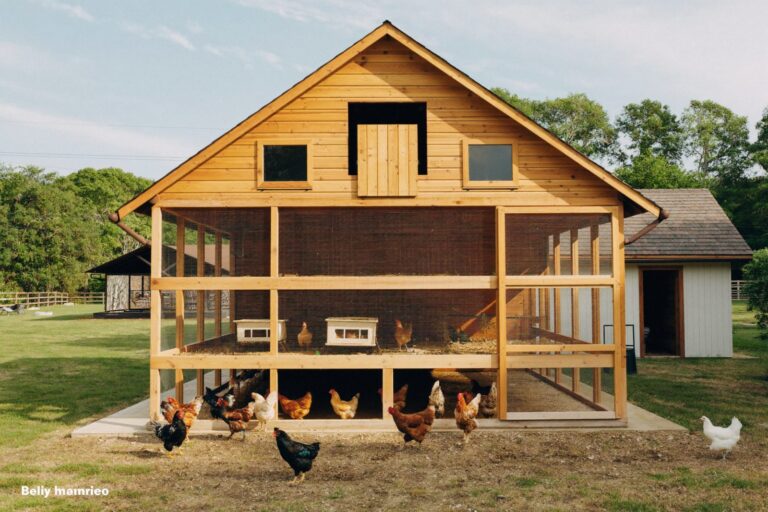
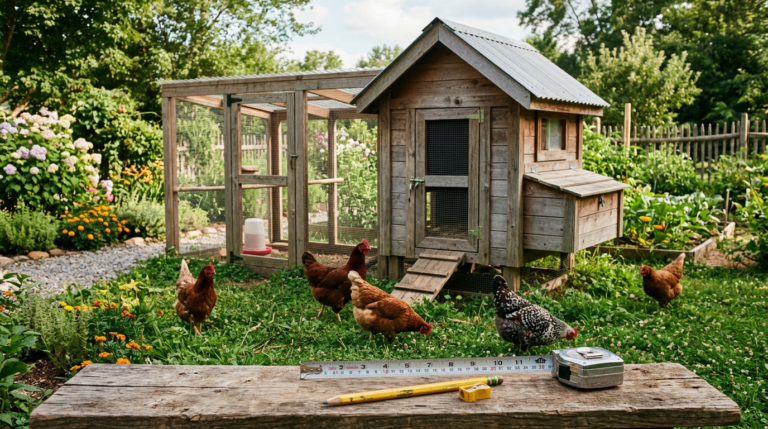
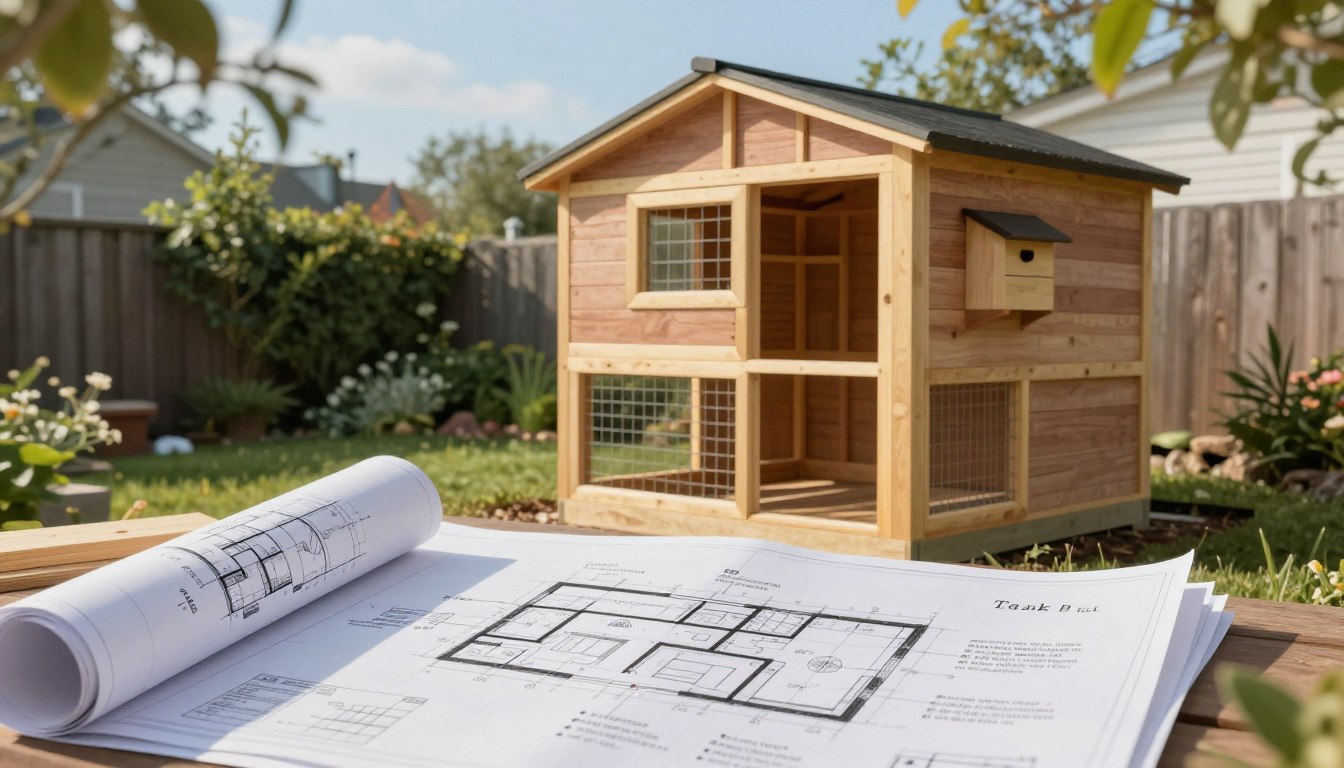
Constructing a custom home for your flock using professional walk in chicken coop plans is a deeply rewarding experience for any backyard enthusiast. These detailed blueprints allow you to design a space that perfectly fits your property while meeting the specific needs of your birds.
Utilizing proven walk in chicken coop plans ensures your structure maintains high integrity and lasts for many years. This methodical approach helps you avoid common building errors and guarantees a safe environment for your animals.
📌 Save These Walk In Chicken Coop Plans to Pinterest →
Building a DIY chicken coop with quality walk in chicken coop plans is also a highly cost-effective strategy for modern homesteaders. You can control the quality of materials used, resulting in a superior shelter that often outperforms expensive pre-made kits. This guide will walk you through every phase of these walk in chicken coop plans, from initial site preparation to the final finishing touches.
Key Takeaways
- Custom walk in chicken coop plans allow for better space optimization in your backyard.
- Professional blueprints provide the structural foundation for long-term success.
- Building your own structure with walk in chicken coop plans significantly reduces overall project costs.
- High-quality materials ensure a safer and healthier environment for your flock.
- Detailed walk in chicken coop plans prevent common mistakes during the construction process.
📋 Walk In Chicken Coop Plans: Quick Navigation
- 1. Planning Your Walk In Chicken Coop Plans
- 2. Essential Tools & Materials
- 3. Laying a Solid Foundation
- 4. Framing the Walls
- 5. Roofing Systems
- 6. Interior Features Design
- 7. Ventilation Strategies
- 8. Predator Protection
- 9. Exterior Siding & Finishing
- 10. Flooring & Bedding
- 11. Routine Maintenance
- 12. FAQ About Walk In Chicken Coop Plans
Planning Your Walk In Chicken Coop Plans
Designing a functional coop begins long before you pick up a hammer. A successful project relies on meticulous preparation to ensure your birds remain healthy and productive. By investing time in your walk in chicken coop plans, you avoid costly mistakes and structural issues later on.
Assessing Your Flock Size and Space Requirements
The first step in your walk in chicken coop plans is determining how many birds you intend to keep. Overcrowding is a common mistake that leads to stress, disease, and aggressive behavior within the flock. You should aim for at least four square feet of interior space per bird to ensure adequate comfort.
Beyond the interior, consider the outdoor run area for your backyard chicken housing. Providing enough room allows your chickens to exhibit natural behaviors like scratching and dust bathing. A spacious environment is essential for maintaining a clean and sanitary coop throughout the year.
Selecting the Ideal Location for Drainage and Sunlight
Choosing the right spot on your property is just as important as the structure itself in your walk in chicken coop plans. You must prioritize a location with natural drainage to prevent mud buildup during the rainy season. A dry floor is critical for the long-term health of your poultry housing design.
Furthermore, orient your structure to maximize sunlight exposure during the winter months. Proper light helps keep the interior warm and encourages egg production. Use the following table to guide your site selection and space planning:
| Feature | Recommendation | Benefit |
|---|---|---|
| Interior Space | 4 sq. ft. per bird | Reduces stress |
| Outdoor Run | 10 sq. ft. per bird | Promotes exercise |
| Site Drainage | Elevated ground | Prevents rot |
| Sun Exposure | South-facing | Increases warmth |
Understanding Local Zoning Laws and HOA Regulations
Before finalizing your walk in chicken coop plans, you must research local municipal codes. Many cities have specific ordinances regarding the number of hens allowed and the required setbacks from property lines. Ignoring these rules can lead to fines or the forced removal of your structure.
If you live in a neighborhood with a Homeowners Association, check your bylaws for restrictions on backyard chicken housing. Some associations have strict aesthetic guidelines or outright bans on livestock. Always obtain the necessary permits to ensure your poultry housing design remains fully compliant with local regulations.
Essential Tools and Materials for a Durable Build
A sturdy DIY poultry coop built from walk in chicken coop plans begins with selecting high-quality materials and reliable tools. Proper preparation ensures that your construction process remains efficient and safe from start to finish. By gathering everything you need beforehand, you avoid unnecessary delays and maintain the structural integrity of your project.
Selecting Weather-Resistant Lumber and Hardware
When following walk in chicken coop plans, the longevity of your structure depends on the materials you choose. Always opt for pressure-treated lumber for any components that touch the ground, as this prevents rot and insect damage. For the frame, standard kiln-dried studs work well, provided they are protected from direct moisture.
Hardware selection is equally vital for a long-lasting DIY chicken coop. Use only hot-dipped galvanized or stainless steel screws and nails to prevent rust. Standard zinc-plated hardware will corrode quickly in the humid environment of a coop, potentially compromising the safety of your birds.
Must-Have Power Tools for Precision Cutting
Precision is key when you are building a chicken coop from walk in chicken coop plans to ensure all joints fit tightly. A high-quality circular saw is essential for cutting plywood sheets and framing lumber to size. For fastening, an impact driver is far superior to a standard drill, as it provides the torque needed to drive long screws into tough wood.
Consider adding a miter saw to your collection if you want perfectly square corners on your trim and framing. These tools significantly reduce the physical effort required for the build. Keeping your blades sharp will ensure clean cuts and prevent the wood from splintering during the assembly process.
Safety Gear and Site Preparation Equipment
Never overlook the importance of personal protection while working on your DIY poultry coop. Always wear safety goggles to protect your eyes from flying debris and sturdy work gloves to prevent splinters. A dust mask is also recommended when cutting treated lumber to avoid inhaling harmful particles.
Site preparation requires a few basic tools to ensure your foundation is perfectly level. A long carpenter’s level and a string line are indispensable for checking the slope of your ground. A heavy-duty shovel and a tamper will help you prepare a solid, flat base that prevents structural stress over time.
| Material/Tool | Purpose | Key Benefit |
|---|---|---|
| Pressure-Treated Wood | Base and Skids | Rot Resistance |
| Galvanized Screws | Fastening | Rust Prevention |
| Circular Saw | Cutting | Precision Framing |
| Carpenter’s Level | Alignment | Structural Stability |
Laying a Solid Foundation for Longevity
Proper site preparation begins with choosing the right base for your backyard chicken housing. A stable foundation prevents structural sagging and protects your investment from ground-level moisture. Without a solid footing, even the best-built coop from walk in chicken coop plans will eventually shift or rot.
Comparing Concrete Slabs Versus Gravel Bases
Selecting the correct material depends on your local climate and soil drainage. A concrete slab offers maximum stability and predator resistance, while gravel provides superior drainage for wet environments.
| Foundation Type | Best For | Primary Benefit | Installation Effort |
|---|---|---|---|
| Concrete Slab | Permanent structures | Rodent proofing | High |
| Gravel Base | Poor drainage soil | Moisture control | Moderate |
| Dirt/Grass | Temporary coops | Low cost | Minimal |
Installing Pressure-Treated Skids for Ground Contact
If you choose a portable design in your walk in chicken coop plans, pressure-treated skids are essential. These heavy timbers act as a buffer between the earth and your wooden floor joists. Always use ground-contact rated lumber to ensure the wood resists decay and insect damage over time.
Position your skids parallel to each other, ensuring they are spaced evenly to support the weight of the coop. Secure them firmly to the base frame using galvanized hardware. This elevation keeps your structure dry and extends the life of your chicken coop foundation significantly.
Ensuring Level Ground to Prevent Structural Stress
An uneven site leads to binding doors and misaligned windows. Before you begin assembly of your walk in chicken coop plans, use a long carpenter’s level to check the entire perimeter of your site. If the ground slopes, dig out the high spots rather than building up the low ones to maintain structural integrity.
Compacting the soil after leveling provides a firm surface that will not settle unevenly later. Taking these extra steps during the initial phase of your backyard chicken housing project guarantees that your doors will swing smoothly for years to come. A well-leveled chicken coop foundation is the hallmark of a professional build.
Framing the Walls and Structural Integrity
A sturdy frame is the most critical component when you are building a chicken coop from walk in chicken coop plans from the ground up. This skeleton provides the necessary support for your roof and siding while ensuring the safety of your flock. Proper framing techniques prevent sagging and structural failure over time.
Constructing Sturdy Wall Studs and Headers
Standard chicken coop construction relies on consistent stud spacing to maintain wall rigidity. Most builders use 2×4 lumber spaced 16 inches on center to provide a solid nailing surface for exterior materials. This spacing is the industry standard for residential structures and offers excellent load-bearing capacity.
When you frame walls with openings, you must install headers above doors and windows. A header acts as a beam that transfers the weight of the roof around the opening to the adjacent studs. Without these, your frame may warp or buckle under the pressure of heavy roofing materials.
The strength of a structure is only as good as the connections between its members; always use high-quality fasteners to ensure long-term stability.
Bracing for Wind Resistance and Heavy Snow Loads
If you live in an area prone to severe weather, you must reinforce your frame. Diagonal bracing is a simple yet effective way to prevent the walls from racking or leaning during high winds. You can install these braces at the corners of each wall section for maximum shear strength.
For regions with heavy snowfall, consider the following structural reinforcements:
- Use hurricane ties to secure rafters to the top plates.
- Increase the thickness of your header beams to support extra weight.
- Ensure all joints are tightly fitted to distribute stress evenly across the frame.
Installing Door Frames for Easy Access
Framing the door opening requires precision to ensure the door swings freely without binding. You should install a king stud and a “jack stud on both sides of the opening to create a robust frame. This configuration provides the necessary support for the door hinges and latch hardware.
Always measure your door frame twice before cutting your lumber to avoid gaps. A well-framed opening makes the daily routine of building a chicken coop much easier by allowing for smooth access. Remember that a level and square frame is the secret to a professional-looking finish.
Roofing Systems for Weather Protection
Protecting your chickens starts from the top down with a durable and weather-resistant roofing system. While a solid chicken coop foundation keeps the structure stable, the roof acts as your primary defense against rain, snow, and intense sun. Selecting the right design is essential for effective water runoff and long-term structural health.
Choosing Between Shed, Gable, and Lean-To Designs
The style of your roof significantly impacts how well your coop handles local weather conditions. A shed roof features a single slope, making it the easiest design for beginners to construct while providing excellent drainage. This style is highly efficient for smaller coops where simplicity is key.
Gable roofs offer a classic look with two sloping sides that meet at a central ridge. This design provides extra vertical space, which is perfect for adding ventilation at the peak. Alternatively, a lean-to roof attaches to an existing structure, offering a space-saving solution for backyard setups.
Installing Plywood Sheathing and Roofing Felt
Once your rafters are set, you must install plywood sheathing to create a solid deck for your roofing. Use exterior-grade plywood to ensure it can withstand moisture without warping or rotting over time. Secure the sheets firmly to the rafters using galvanized nails to prevent movement during high winds.
After the sheathing is in place, apply a layer of high-quality roofing felt or synthetic underlayment. This material acts as a vital waterproof barrier that protects the wood deck from leaks. Always overlap the seams of the felt to ensure that any moisture finding its way under the shingles is directed safely away from the interior.
Applying Asphalt Shingles or Corrugated Metal Panels
Choosing the right coop roofing materials depends on your budget and the climate in your area. Asphalt shingles are a popular choice because they are affordable and provide a traditional aesthetic that blends well with most residential landscapes. They offer decent durability but may require replacement after several years of heavy sun exposure.
Corrugated metal panels are an excellent alternative for those seeking maximum longevity and low maintenance. These panels are highly resistant to snow loads and shed water much faster than shingles. When installing metal, ensure you use specialized screws with rubber washers to maintain a watertight seal at every attachment point.
| Material Type | Durability | Installation Ease | Best Climate |
|---|---|---|---|
| Asphalt Shingles | Moderate | High | Temperate |
| Corrugated Metal | High | Moderate | Snowy/Rainy |
| Rubber Roofing | Very High | Low | Extreme |
Designing Functional Interior Features
A well-planned interior is the secret to a productive and stress-free backyard flock. Proper poultry housing design ensures that your daily chores remain manageable while keeping your birds comfortable and healthy. By focusing on ergonomics in your walk in chicken coop plans, you can create a space that serves both the needs of your hens and your own convenience.
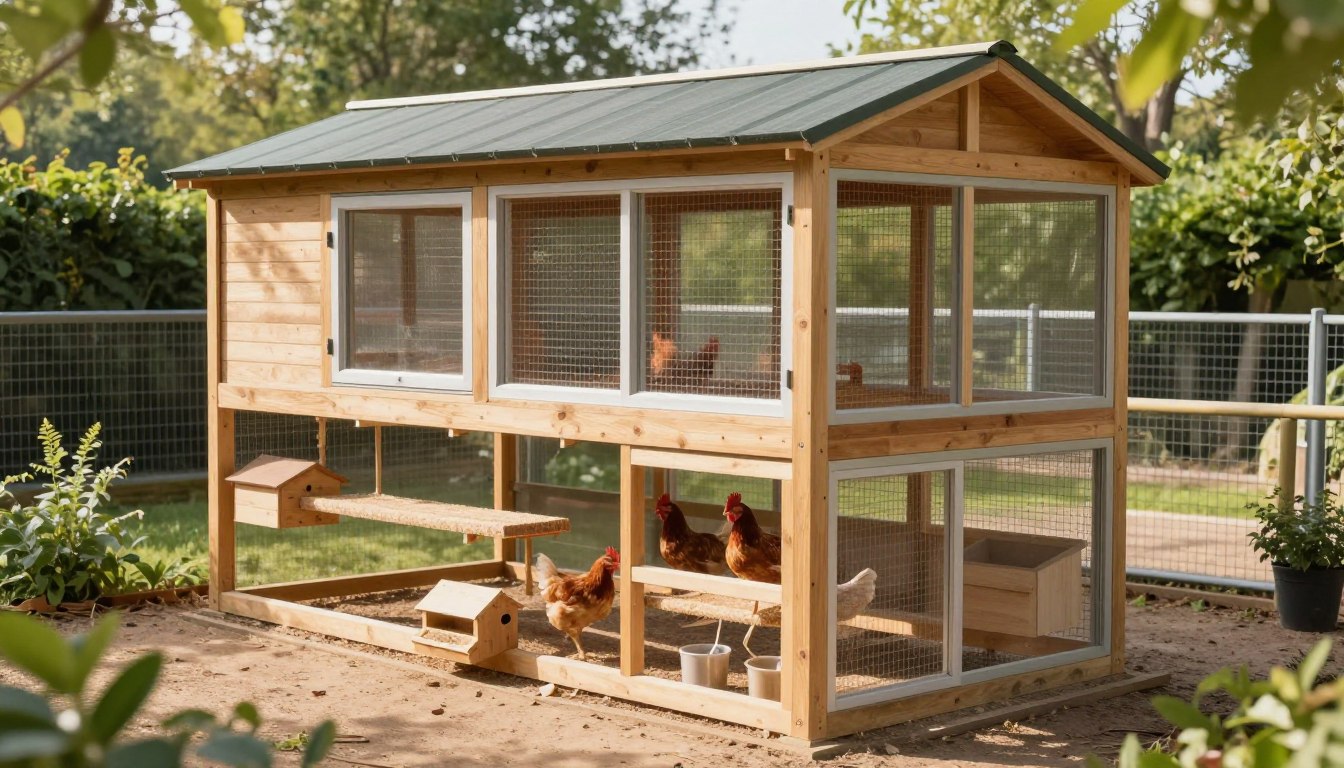
Building Ergonomic Nesting Boxes for Egg Collection
Nesting boxes should be dark, quiet, and private to encourage hens to lay their eggs in a designated spot. A standard rule in walk in chicken coop plans is to provide one box for every four to five hens. You can build these boxes using simple plywood, ensuring they are easily accessible from the outside of your DIY poultry coop for quick egg collection.
Mount the boxes at least 18 inches off the ground to keep them clean and away from floor debris. Adding a small lip at the front of each box prevents bedding from being kicked out. This simple addition keeps the nesting material dry and inviting for your flock.
Installing Roosting Bars at Proper Heights
Chickens have a natural instinct to sleep on elevated surfaces to stay safe from predators. Installing roosting bars at the correct height is vital for their physical health and comfort. Aim for a height of at least 2 to 3 feet off the floor, ensuring there is enough space between bars so birds do not crowd each other.
Use rounded wooden dowels or 2×4 lumber with sanded edges to prevent foot injuries. Proper poultry housing design dictates that each bird needs about 8 to 10 inches of linear roosting space. This prevents fighting and ensures every hen gets a restful night of sleep.
Creating Removable Dropping Boards for Easy Cleaning
Dropping boards are a game-changer for maintaining a clean environment inside your DIY poultry coop. By placing these boards directly under the roosting bars, you catch the majority of waste produced at night. This significantly reduces the frequency of deep cleaning the entire floor.
Construct these boards using smooth, non-porous materials like metal or sealed plywood for easy scraping. Making them removable allows you to slide them out for a quick wash or sanitization. This feature is a cornerstone of efficient coop management.
| Feature | Primary Benefit | Maintenance Frequency |
|---|---|---|
| Nesting Boxes | Clean Egg Collection | Weekly Check |
| Roosting Bars | Bird Comfort | Monthly Inspection |
| Dropping Boards | Sanitation Efficiency | Daily/Bi-weekly |
Ventilation Strategies for a Healthy Environment
Effective coop ventilation systems are essential for long-term flock health. Proper airflow removes moisture and toxic gases, which is vital for maintaining a healthy chicken environment throughout the year. Without adequate exchange, your birds may suffer from respiratory distress or poor overall vitality.
Positioning Vents to Prevent Ammonia Buildup
Ammonia gas accumulates quickly when waste breaks down in an enclosed space. To combat this, place your primary vents near the roofline of the structure. This high placement allows warm, moist air to escape naturally through the top of the coop.
Aim for a cross-ventilation design by placing vents on opposite walls. This setup ensures a steady flow of fresh air without creating harmful drafts directly at the birds’ roosting level. Always ensure the air moves above the chickens rather than blowing directly onto them.
Installing Hardware Cloth for Predator-Proof Airflow
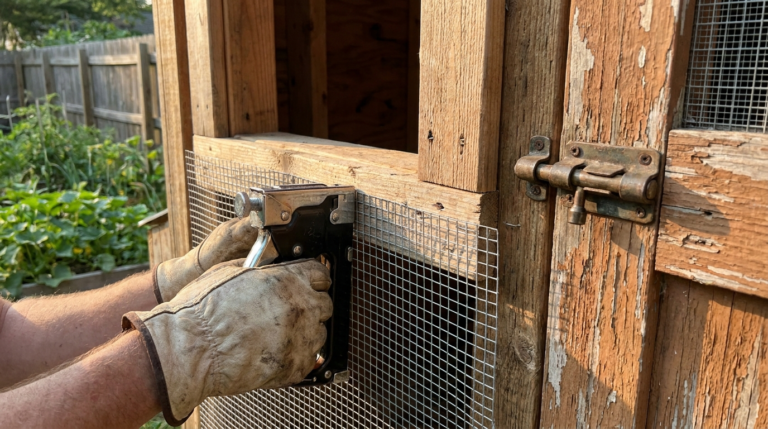
While ventilation is critical, security remains a top priority for any backyard builder following walk in chicken coop plans. You must cover every vent opening with heavy-duty hardware cloth to keep predators out. Avoid using standard chicken wire, as it is easily torn by determined raccoons or weasels.
Secure the mesh firmly using washers and screws or heavy-duty staples. This creates a robust barrier that allows maximum airflow while keeping your flock safe from intruders. Regularly inspect these screens to ensure they remain tightly attached and free of rust.
Managing Humidity Levels During Winter Months
Winter presents unique challenges for maintaining a healthy chicken environment. High humidity inside the coop can lead to frostbite on combs and wattles when temperatures drop. You must keep the interior as dry as possible to prevent these cold-weather injuries.
Keep your vents open even during cold spells to allow moisture from chicken respiration to escape. If you notice condensation on the walls or ceiling, increase your ventilation immediately. Dry bedding is the best defense against moisture-related health issues in your coop.
Securing the Coop Against Predators
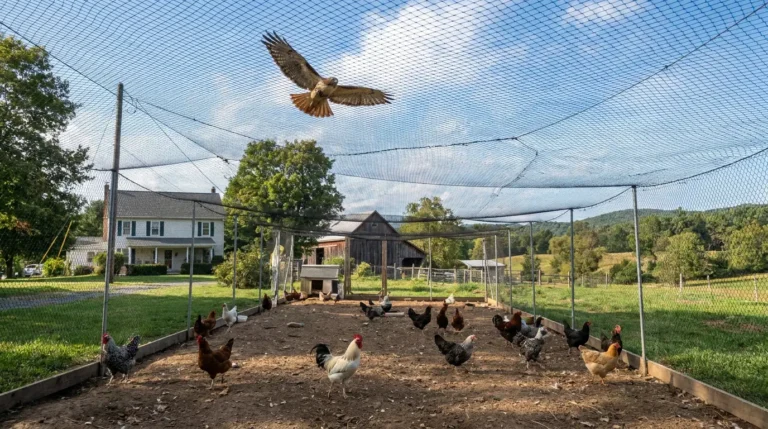
A truly predator-proof coop is the most important investment you can make for your chickens. Local wildlife, including raccoons, foxes, and hawks, are constantly looking for easy access to your flock. By prioritizing chicken coop security during the construction phase of your walk in chicken coop plans, you provide a safe haven that keeps your birds protected around the clock.
Choosing Heavy-Duty Hardware Cloth Over Chicken Wire
Many beginners make the mistake of using standard chicken wire to enclose their run. While this material keeps chickens inside, it offers almost no resistance to determined predators. Animals can easily tear through thin wire mesh with their teeth or claws.
Instead, you should always select heavy-duty hardware cloth with a gauge of 1/4 inch or 1/2 inch. This welded steel mesh is significantly stronger and provides a rigid barrier that withstands heavy pressure. Investing in this material is a vital step in maintaining a secure environment for your poultry.
Installing Predator-Proof Latches and Locking Mechanisms
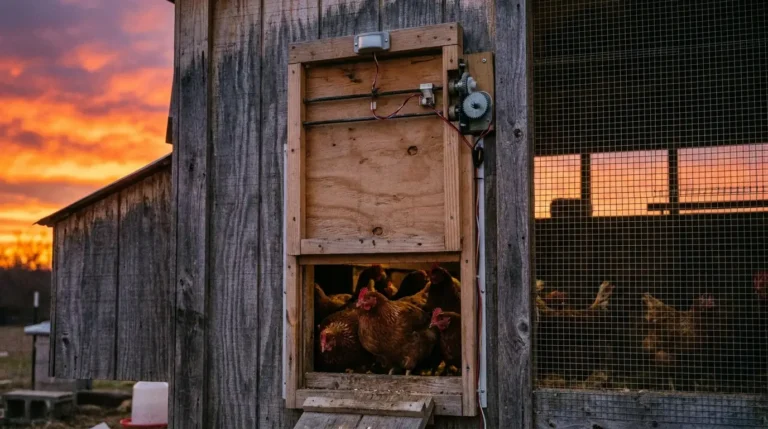
Clever intruders, especially raccoons, possess remarkable dexterity and can easily manipulate simple slide bolts or hook-and-eye latches. To ensure maximum chicken coop security, you must install hardware that requires multiple steps to open. Carabiners or spring-loaded clips added to standard latches provide an extra layer of defense that animals cannot bypass.
Always inspect your locking mechanisms regularly to ensure they remain tight and functional. A predator-proof coop relies on hardware that stays locked even when shaken or pulled. Using padlocks on main doors is an excellent way to deter both animal and human intruders.
Burying Perimeter Fencing to Prevent Digging
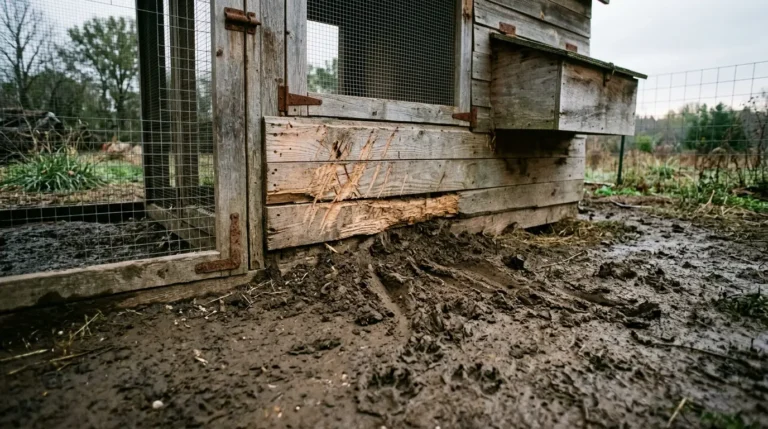
Digging predators like foxes and coyotes often try to tunnel under the base of a coop. To stop this, you should bury your perimeter fencing at least 12 inches deep into the ground. Alternatively, you can create an “apron” by laying hardware cloth flat on the ground extending outward from the coop walls.
Covering this apron with soil or heavy stones makes it impossible for animals to dig near the foundation. This simple technique creates a formidable barrier that protects your flock from ground-based threats. Below is a summary of essential security features for your build.
| Feature | Material | Primary Benefit |
|---|---|---|
| Wall Enclosure | 1/2 Hardware Cloth | Prevents tearing |
| Door Latches | Locking Carabiners | Stops clever animals |
| Foundation | Buried Wire Apron | Blocks digging |
| Roof Vents | Steel Mesh | Secures airflow |
Installing Exterior Siding and Finishing Touches
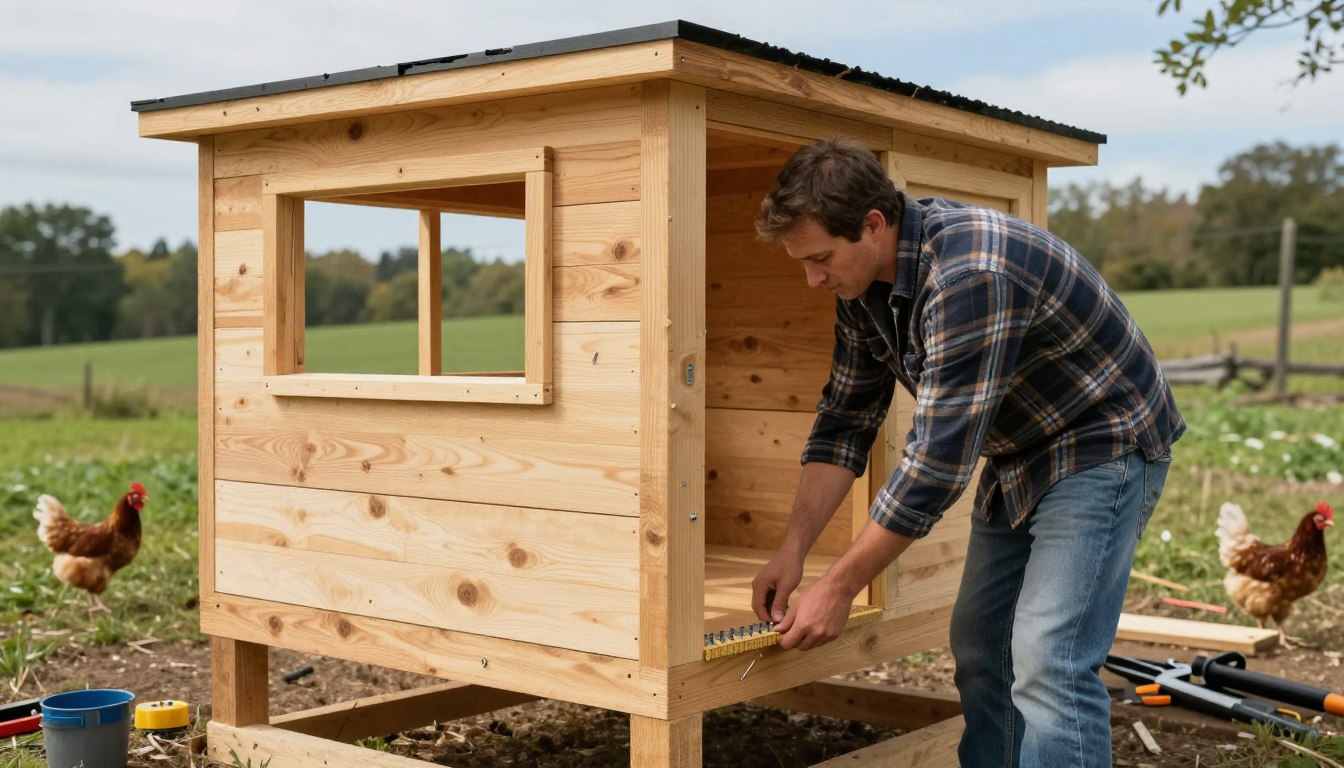
A well-finished coop serves as both a safe haven for your birds and a beautiful addition to your backyard. Completing the exterior is a critical step in chicken coop construction, as it provides the final barrier against wind, rain, and temperature fluctuations. By choosing the right materials for your walk in chicken coop plans, you ensure your structure remains durable for years to come.
Applying Weather-Resistant Siding Materials
Selecting the right siding is essential for long-term protection. Many builders prefer T1-11 plywood for its ease of installation and classic look, though it requires regular sealing. For those seeking low-maintenance options, vinyl siding or corrugated metal panels—often used as coop roofing materials—provide excellent water resistance.
Regardless of the material, ensure that all seams are properly sealed with high-quality exterior caulk. This prevents moisture from seeping into the wall cavities, which could otherwise lead to structural decay. Proper installation of these materials keeps your flock dry and comfortable throughout the changing seasons.
Painting or Staining for UV Protection
Applying a high-quality exterior paint or stain is more than just a decorative choice. These coatings provide a vital shield against harsh UV rays that can break down wood fibers over time. Consistent maintenance with a UV-resistant finish prevents wood rot and keeps the exterior looking fresh.
When selecting your finish, opt for products labeled for exterior use that offer mold and mildew resistance. Applying a primer before your topcoat ensures better adhesion and longevity. This simple step significantly extends the life of your wooden components.
Adding Exterior Trim for a Professional Aesthetic
Adding trim around corners, doors, and windows gives your project a polished, professional appearance. Beyond aesthetics, trim helps cover gaps where siding meets the frame, providing an extra layer of defense against drafts and pests. Using PVC or pressure-treated lumber for trim ensures that these high-exposure areas do not succumb to moisture damage.
| Siding Material | Durability | Maintenance | Best Use |
|---|---|---|---|
| T1-11 Plywood | Moderate | High | Classic Look |
| Corrugated Metal | High | Low | Modern/Industrial |
| Vinyl Siding | High | Very Low | Easy Cleaning |
| Cedar Planks | High | Moderate | Premium Finish |
By carefully selecting your materials and finishes, you complete your chicken coop construction with confidence. A thoughtful approach to the exterior ensures that your coop remains a standout feature in your landscape while providing a secure environment for your chickens.
Managing Interior Flooring and Bedding
Proper interior management is the secret to a sustainable chicken coop. The flooring and bedding system you choose will dictate how much time you spend on daily and weekly maintenance tasks.
Selecting Deep Litter Method Materials
The deep litter method is a popular choice for those seeking a natural, composting floor environment. By layering carbon-rich materials like wood shavings, straw, or dried leaves, you create a system that breaks down waste over time.
- Use pine shavings for excellent absorbency.
- Incorporate straw for added texture and insulation.
- Ensure the base layer remains loose to encourage aerobic decomposition.
Installing Linoleum or Vinyl for Easy Sanitation
For those who prefer a more clinical approach, installing linoleum or vinyl flooring is an excellent solution. These materials provide a smooth, non-porous surface that is incredibly easy to sanitize after a deep clean.
A clean coop is the foundation of a thriving flock, as it minimizes the risk of disease and keeps your birds comfortable throughout the year.
Simply sweep out the debris and wipe the surface with a mild, bird-safe disinfectant. This method saves significant time compared to scrubbing wooden floors.
Maintaining Dry Conditions to Prevent Parasites
Moisture is the primary enemy of a healthy chicken environment. You must prioritize keeping the bedding dry to prevent the growth of harmful parasites and bacteria.
Effective coop ventilation systems play a critical role in pulling moisture out of the air before it settles into the litter. Regularly inspect your coop for leaks and ensure that waterers are placed in areas where spills will not saturate the floor.
Routine Maintenance for Long-Term Durability
A well-maintained structure is the cornerstone of a healthy backyard flock. By dedicating time to chicken coop maintenance, you ensure that your investment remains safe and functional for many years. Consistent care prevents minor issues from escalating into costly structural failures.
Seasonal Inspections for Structural Wear
Every season brings unique challenges that can impact the integrity of your build. You should perform a thorough walkthrough at least four times a year to identify potential hazards. Look closely for loose boards, damaged roofing shingles, or signs of wood rot near the base.
Proactive repairs are essential to maintaining a predator-proof coop. Tightening hardware and replacing compromised wood immediately will keep your flock secure. Do not wait for visible damage to worsen before taking action.
Cleaning Protocols for Nesting Boxes and Roosts
Hygiene is vital for the health of your birds and the longevity of your materials. You should establish a routine to sanitize nesting boxes and roosting bars to prevent the buildup of parasites and bacteria. Removing waste regularly keeps the air quality high and reduces the risk of respiratory issues.
- Scrape dropping boards weekly to prevent ammonia buildup.
- Replace nesting box bedding monthly to ensure a clean environment.
- Deep clean and disinfect the entire interior twice a year.
Maintaining a sustainable chicken coop requires these simple but effective habits. A clean coop is not only easier to manage but also significantly more comfortable for your hens.
Managing Exterior Drainage and Vegetation Control
Water is the primary enemy of any wooden structure. You must ensure that the ground around your coop slopes away from the foundation to prevent moisture from seeping into the floor. Proper drainage is a critical component of overall chicken coop security.
Keep the perimeter clear of tall grass, weeds, and overhanging branches. Overgrown vegetation provides cover for pests and can trap humidity against the siding. By keeping the area tidy, you discourage rodents and maintain a dry, healthy environment for your birds.
🔗 Related Guides:
- DIY Chicken Coop Materials: Complete Shopping List
- Chicken Coop Ventilation: Complete Guide
- How to Build a Predator-Proof Chicken Coop
- Backyard Chicken Keeping for Beginners
Conclusion
Constructing a custom walk-in coop using professional walk in chicken coop plans transforms your backyard into a productive sanctuary for your flock. This project provides a secure, sustainable environment that supports the health of your birds for many years.
Your commitment to quality materials and smart design choices in your walk in chicken coop plans creates a lasting structure. Consistent chicken coop maintenance remains the most vital factor in protecting your investment. Regular checks keep the environment safe from predators and harsh weather conditions.
Engaging with your flock daily allows you to spot potential issues before they become major problems. Proper habits ensure your birds stay happy and productive throughout every season. You now possess the knowledge to manage your coop with professional precision.
Share your building experience with local poultry enthusiasts to help others succeed. Your journey into sustainable living starts with these walk in chicken coop plans. Enjoy the fresh eggs and the peace of mind that comes with a job well done.
📌 Save These Walk In Chicken Coop Plans to Your Pinterest Board →
📌 Pin These Plans to Pinterest
FAQ About Walk In Chicken Coop Plans
How much interior square footage is required for each chicken in a walk-in coop?
For a comfortable and healthy environment, you should plan for at least 4 square feet of floor space per bird inside the coop. Using professional walk in chicken coop plans ensures you calculate the footprint accurately, preventing overcrowding and reducing stress-related behaviors. If you are housing larger breeds, such as Jersey Giants, you may want to increase this to 5 or 6 square feet per bird.
Why is 1/2-inch hardware cloth recommended over standard chicken wire?
While chicken wire is effective at keeping poultry contained, it is too thin to stop determined predators like raccoons or foxes, who can easily tear through it. Utilizing 19-gauge galvanized hardware cloth provides a heavy-duty, predator-proof barrier. For maximum security, we recommend securing the mesh with heavy-duty fencing staples rather than standard nails.
What are the benefits of using a gravel base instead of a concrete slab for the foundation?
A compacted gravel base offers excellent natural drainage, which helps keep the area around your coop dry and prevents the wood from rotting. It is also more cost-effective and easier to level on uneven terrain than a concrete slab. When combined with pressure-treated skids, a gravel foundation provides a stable, long-lasting base that resists shifting during freeze-thaw cycles.
How can I manage ammonia buildup and moisture inside the coop during winter?
Proper ventilation is the key to managing air quality. You should position vents near the roofline to allow warm, moist air and ammonia fumes to escape without creating a direct draft on the birds. During the winter, maintaining a dry bedding environment is critical; many keepers use the deep litter method with high-quality pine shavings to provide natural insulation and manage waste through composting.
What type of wood is best for framing and siding a DIY chicken coop?
For the structural frame and any components in contact with the ground, pressure-treated lumber is essential to prevent rot and insect damage. For exterior siding, LP SmartSide or exterior-grade plywood offers great durability. To ensure the longest lifespan, apply a high-quality exterior paint or a Sherwin-Williams wood sealer to provide UV protection and a moisture barrier.
How high should roosting bars and nesting boxes be placed?
Roosting bars should be placed higher than the nesting boxes—ideally about 2 to 4 feet off the ground—to satisfy the chickens’ natural instinct to sleep in a high, safe place. Nesting boxes should be positioned roughly 12 to 18 inches off the floor. This hierarchy ensures that the birds do not sleep or defecate in the boxes where you collect your eggs.
What measures can I take to prevent predators from digging under the coop?
To stop digging predators, you should install a predator apron. This involves extending your hardware cloth roughly 12 to 18 inches outward from the base of the coop and burying it just beneath the soil surface. This prevents animals like skunks or dogs from successfully tunneling into the structure.
Is linoleum flooring a good choice for a chicken coop?
Yes, installing industrial-grade linoleum or vinyl over your plywood subfloor is a highly effective way to simplify sanitation. The non-porous surface prevents moisture and manure from soaking into the wood, making it much easier to scrape clean and disinfect. This proactive step is excellent for preventing the buildup of poultry mites and other common parasites.
Ready to build? Our 8×10 walk in chicken coop plans include full blueprints, a complete material and cut list, and 12 step-by-step instructions – honestly sized for 15-20 hens.
Need plans specifically designed for 20 birds? Our chicken coop plans for 20 chickens are purpose-built for larger flocks with the right square footage, roosting, and ventilation.