How to Protect Chickens from Hawks (Without Covering Your Entire Yard)
Hawks are one of the most difficult predators to deal with because they attack from above, strike fast, and are federally protected under the Migratory Bird Treaty Act. You cannot trap, shoot, or harm them. Your only option is to make your property a place hawks choose not to hunt.
This guide covers practical hawk deterrents that work without requiring you to roof your entire yard, plus run-covering options for maximum protection.
Why Hawks Target Backyard Chickens
Hawks are opportunistic hunters. A flock of chickens in an open yard is an easy meal compared to chasing wild birds through tree cover. Red-tailed hawks, Cooper’s hawks, and red-shouldered hawks are the species most likely to attack backyard flocks.
Hawks hunt by sight. They perch on high points — trees, fence posts, power poles — and scan the ground below. A chicken standing alone in open grass is a clear target. Hawks prefer to strike when birds are isolated and far from cover.
Signs a Hawk Is Hunting Your Flock
- A hawk circling overhead or perching on nearby trees regularly
- Chickens suddenly running for cover or freezing in place
- Your rooster giving alarm calls (a sharp, loud warning sound)
- Feather piles in the yard with no other predator signs
- A missing bird with no evidence of ground predator entry to the coop
8 Ways to Protect Chickens from Hawks
1. Cover the Run
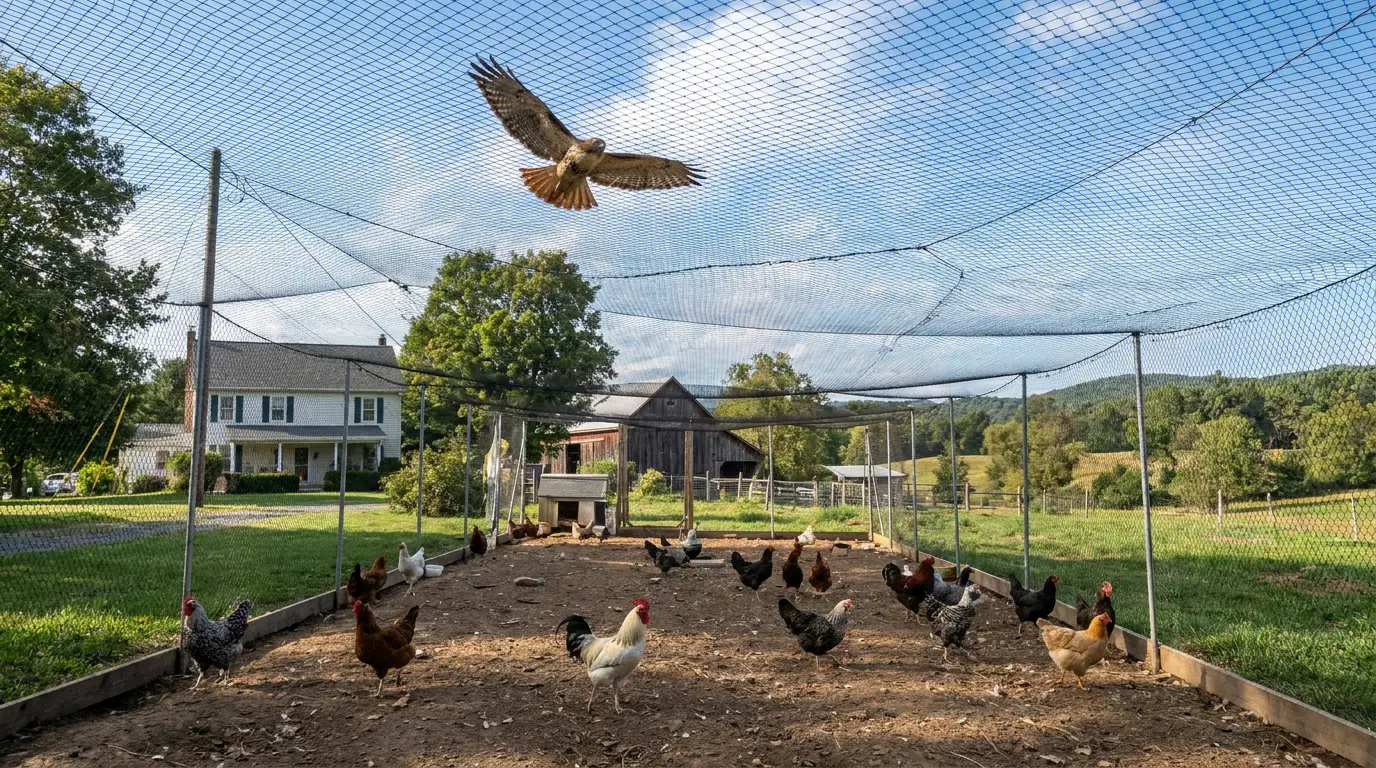
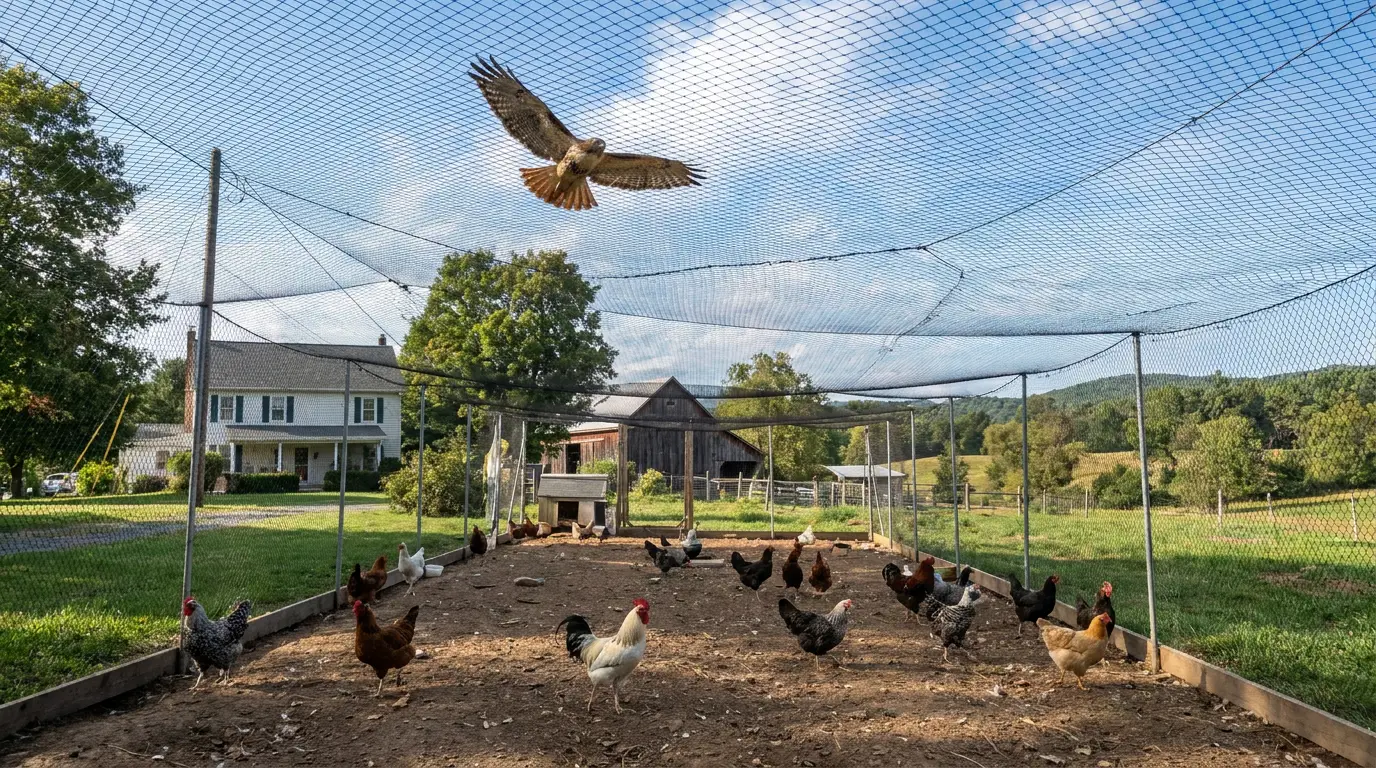
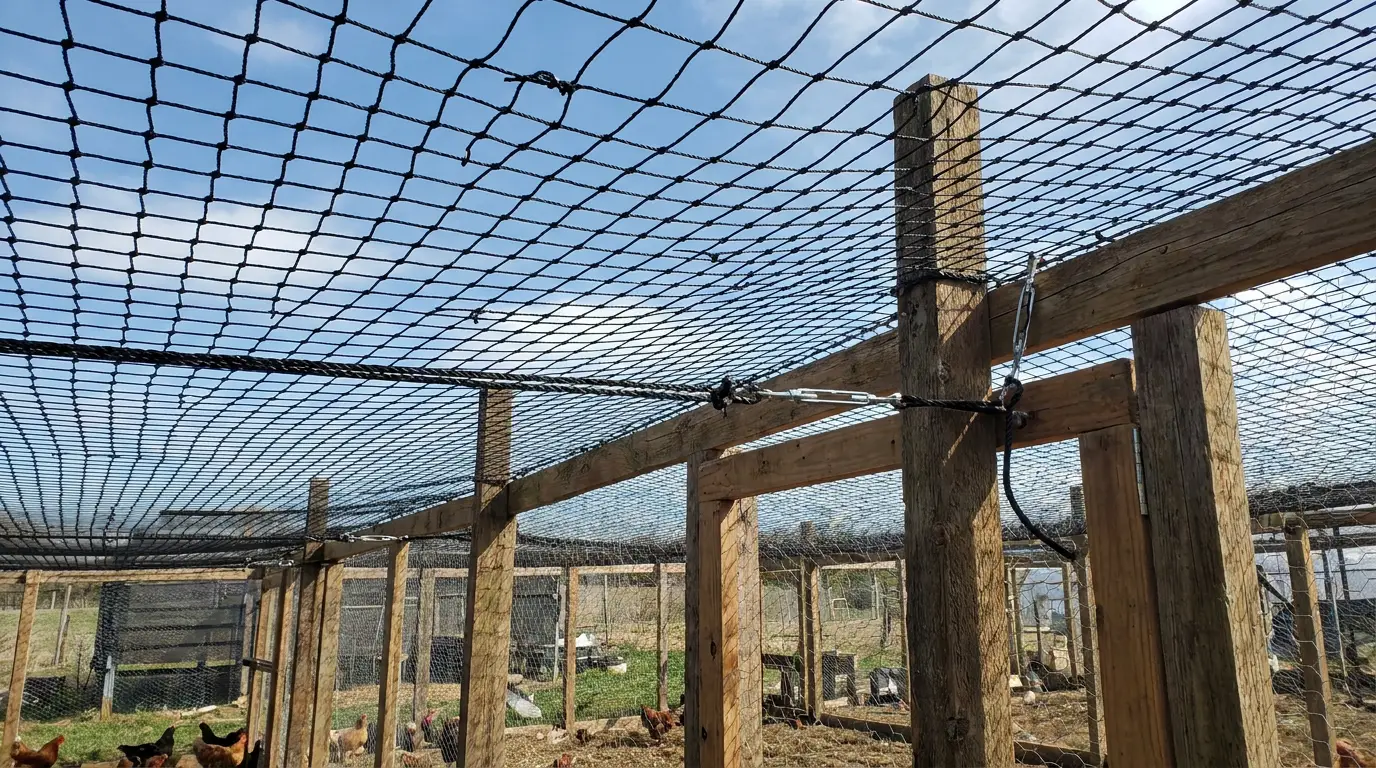
The most effective hawk protection is a physical barrier over your chicken run. Options include:
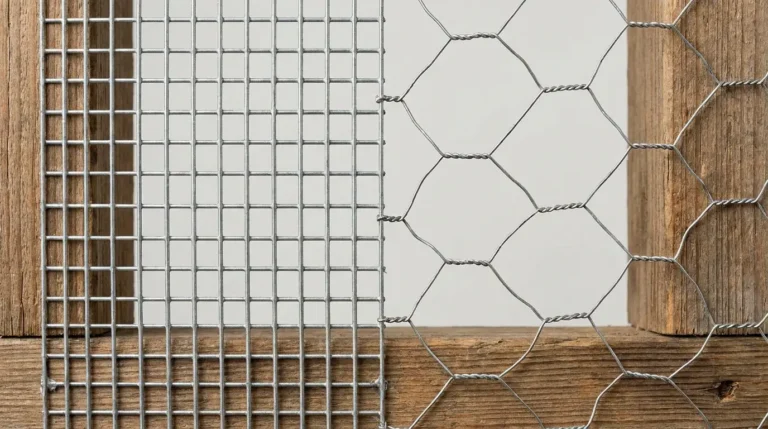
- Hardware cloth roof: Maximum protection, stops all aerial predators. Best for small to medium runs.
- Welded wire panels: Strong and durable for larger runs. Use 2×4 inch mesh or smaller.
- Heavy-duty poultry netting: Lighter and cheaper for very large runs. Choose UV-stabilized netting rated for predator use, not lightweight garden netting.
2. Provide Natural Overhead Cover
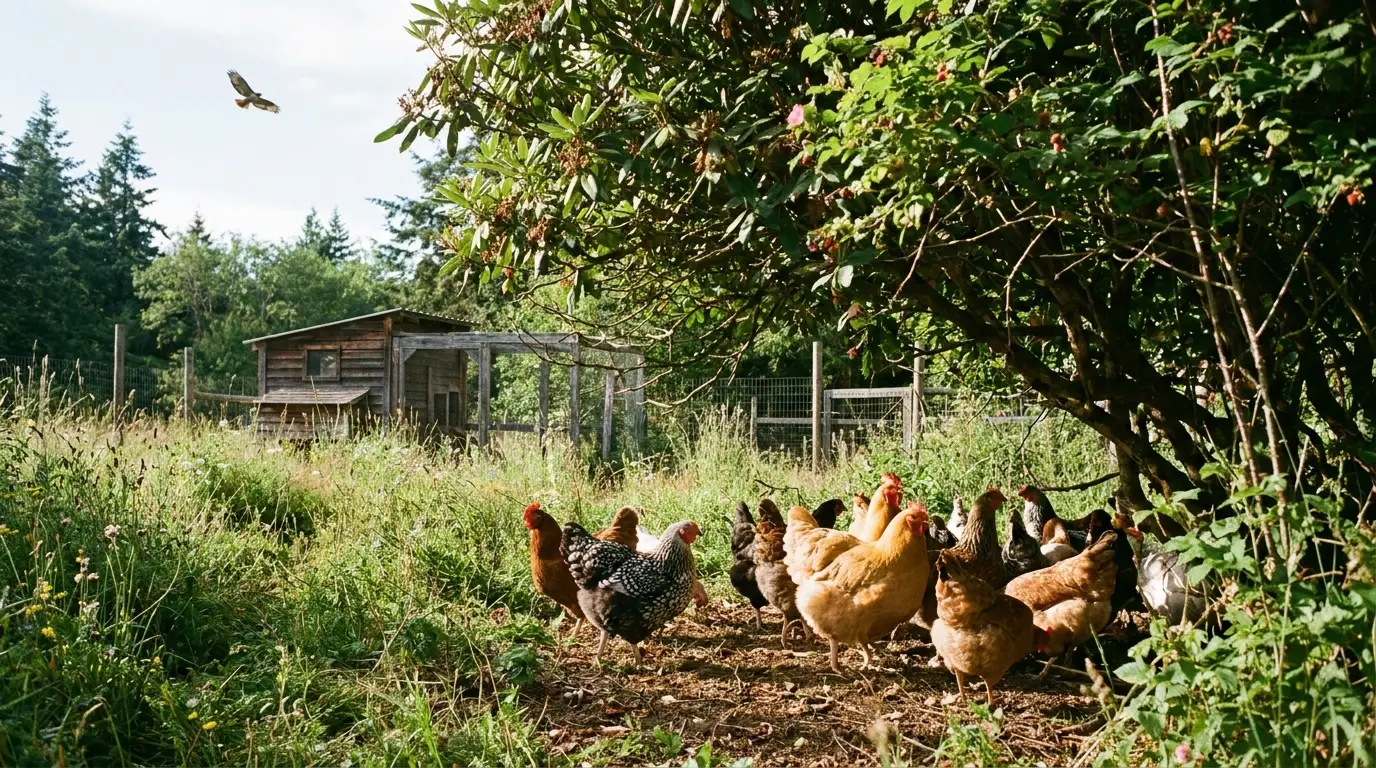
If your birds free-range, plant shrubs, bushes, and low trees throughout the ranging area. Chickens instinctively run for cover when they sense a threat. Without cover, they are sitting targets.
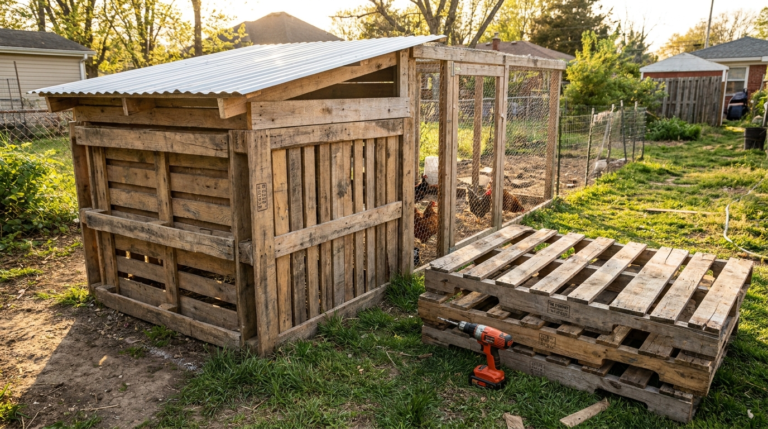
Good options include dense shrubs like elderberry, dogwood, or holly. Even a few pallets leaned against a fence or temporary shelters made from plywood give chickens a place to hide.
3. Use a Rooster
A good rooster watches the sky constantly and alerts the flock when he spots a raptor. His alarm call sends hens running for cover immediately. Not every rooster is a reliable guardian, but most heritage breeds take this role seriously.
If local ordinances allow roosters, adding one is one of the most effective natural hawk deterrents available.
4. Run Reflective Deterrents
Hang reflective tape, old CDs, or predator-eye balloons around the run perimeter and in free-range areas. The flashing reflections make hawks uncomfortable and disrupt their ability to focus on prey.
Move these deterrents every few days. Hawks are smart and habituate to stationary objects quickly. Changing positions keeps them effective longer.
5. Avoid Free-Ranging at Peak Hunting Hours
Hawks hunt most actively in the early morning and late afternoon when thermals help them soar. Keep chickens in the covered run during these periods and let them free-range during midday when hawk activity is lower.
6. Keep the Flock Together
Hawks target isolated birds. A tight flock is harder to attack than scattered individuals. Feeding stations that keep birds clustered reduce the chance of a hawk picking off a lone hen at the edge of your property.
7. Add a Livestock Guardian Animal
Dogs, geese, and guinea fowl all provide varying levels of hawk deterrence. A livestock guardian dog patrolling the yard makes hawks reluctant to swoop in. Geese are loud and aggressive toward aerial threats. Guinea fowl have excellent eyesight and sound alarms at the first sign of a predator.
8. Create Visual Barriers
String fishing line or paracord in a grid pattern over the free-range area at about 6 to 8 feet high. The lines are nearly invisible to hawks but disrupt their flight path. Space lines 5 to 10 feet apart in a crisscross pattern. This is not foolproof but discourages casual hunting attempts.
What You Cannot Do
Hawks, eagles, and owls are protected by federal law. It is illegal to:
- Shoot, trap, or poison any raptor
- Destroy hawk nests or eggs
- Harass hawks with drones or other devices
Violating the Migratory Bird Treaty Act can result in fines up to $15,000 and imprisonment. All hawk deterrents must be non-lethal and non-harassing.
Frequently Asked Questions
Can a hawk carry off a full-grown chicken?
Most hawks cannot carry a full-sized hen. However, they can kill one on the ground and eat it there. Smaller breeds and bantams are at higher risk of being carried away. A red-tailed hawk can lift about 3 to 4 pounds.
Do fake owls scare hawks away?
Briefly. A new fake owl may deter hawks for a few days, but they quickly realize it never moves. If you use a decoy, move it daily and combine it with other deterrents.
Will netting over the run keep snow from collapsing it?
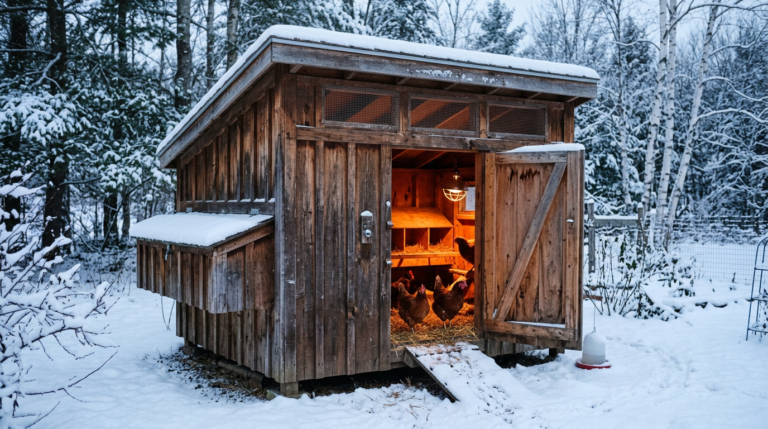
Lightweight netting can sag or tear under snow load. Use heavy-duty poultry netting with support poles or switch to rigid welded wire panels in heavy snow areas. Steep A-frame supports shed snow naturally.
Want a coop and run designed with hawk protection built in? Browse our predator-proof coop plans that include covered run specifications.
Written by The CoopCrafts Team
Our team of DIY coop builders and backyard chicken keepers. We design, build, and field-test predator-proof coop plans so you can protect your flock with confidence.