Why Did My Chickens Stop Laying Eggs? 9 Common Causes (and Fixes)
You walk out to the coop, open the nesting box, and find… nothing. Again. If your chickens stopped laying eggs, you are not alone. Egg production drops are one of the most common frustrations backyard flock owners face, and the causes range from completely normal biology to fixable management issues.
The good news: most of the time, a drop in egg production is temporary and solvable once you identify the root cause. Below are nine of the most common reasons your hens quit laying, along with specific fixes you can put in place today.
1. Molting
Molting is the single most common reason healthy hens suddenly stop producing eggs. Every year, usually in late summer or fall, chickens shed their old feathers and grow new ones. This process demands enormous amounts of protein and energy, and the hen’s body redirects those resources away from egg production.
A typical molt lasts 8 to 16 weeks. During a hard molt, a hen may look ragged and nearly bald in patches. Soft molts are subtler, with feathers dropping gradually.
The Fix
- Switch to a high-protein feed (20 to 22 percent) during the molt. Game bird feed or flock raiser formulas work well.
- Supplement with protein-rich treats: black oil sunflower seeds, mealworms, scrambled eggs, or canned tuna.
- Avoid handling molting hens. Pin feathers are painful and sensitive.
- Be patient. Once new feathers grow in, egg production typically resumes within a few weeks.
2. Shorter Daylight Hours
Chickens need roughly 14 to 16 hours of light per day to maintain peak egg production. As daylight decreases in the fall and winter months, the pineal gland signals the reproductive system to slow down. This is a natural response, not a sign that anything is wrong with your flock.
Production breeds like Leghorns and ISA Browns are more sensitive to photoperiod changes than heritage breeds.
The Fix
- Add a timer-controlled light in the coop set to turn on early in the morning (not at night, so hens are not left in sudden darkness).
- A single 40-watt bulb or a 9-watt LED is enough for most coops up to 100 square feet.
- Target a total of 14 to 16 hours of combined natural and artificial light.
- Some keepers choose to let hens rest naturally through winter. This can extend their overall laying lifespan.
If your coop has poor ventilation in winter, that compounds the problem. Read our guide on chicken coop ventilation in winter to make sure your setup is not trapping moisture and cold drafts.
3. Stress and Predator Presence
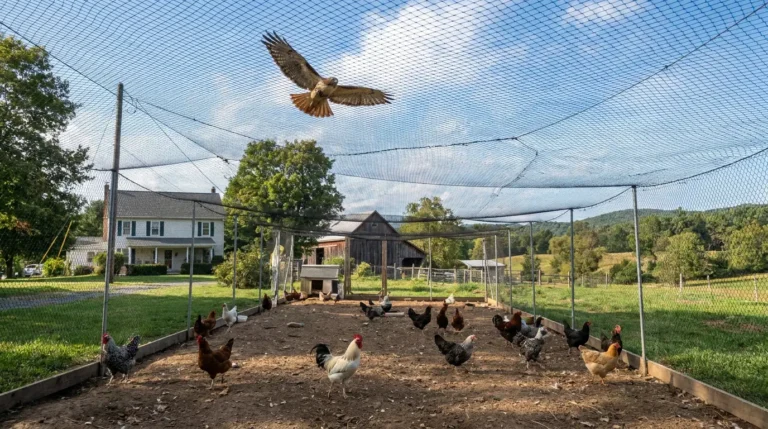
Stress is an underestimated egg killer. When a hen feels threatened, her body produces cortisol, which suppresses the reproductive hormones needed for egg formation. Even if a predator never makes direct contact, the mere presence of a raccoon lurking outside the coop at night or a hawk circling overhead is enough to shut down laying for days or weeks.
Other common stressors include:
- Overcrowding (less than 4 square feet per bird inside the coop)
- Loud noises from construction, dogs, or traffic
- A sudden change in routine, feed, or coop location
- Aggressive flock members bullying subordinate hens
The Fix
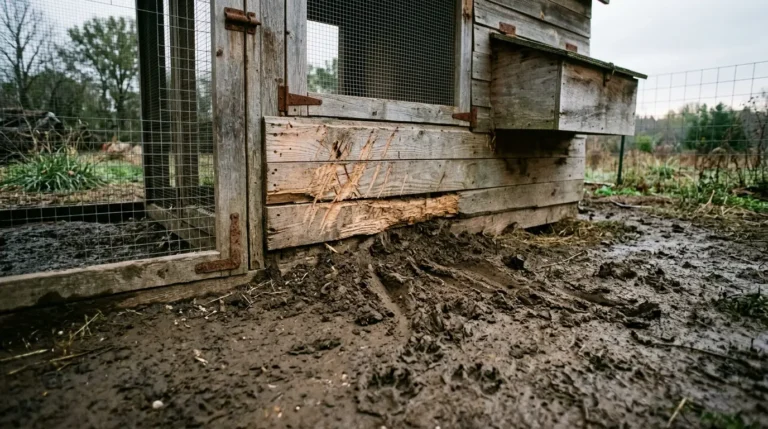
- Audit your coop for signs a predator is stalking your coop. Tracks, droppings, disturbed hardware cloth, and feathers near fence lines are telltale clues.
- Follow our predator-proof chicken coop checklist to lock down weak spots.
- Ensure your coop meets minimum space requirements. Our guide on how big a chicken coop should be breaks down the real numbers.
- Add multiple feeders and waterers so lower-ranking hens are not blocked from resources.
- If a specific hen is bullying others, temporarily separate her for a few days to reset the pecking order.
4. Diet Deficiency (Calcium and Protein)
An egg is roughly 10 percent shell (almost pure calcium carbonate), 60 percent albumen (protein and water), and 30 percent yolk (fats, vitamins, and more protein). If your hens are not getting enough of these building blocks, their bodies simply cannot produce eggs.
Common signs of nutritional deficiency include thin or soft-shelled eggs, irregular laying, feather loss unrelated to molting, and lethargy.
The Fix
- Feed a commercial layer feed with 16 to 18 percent protein and at least 3.5 percent calcium as the primary diet.
- Offer free-choice oyster shell in a separate container. Hens will self-regulate their calcium intake.
- Limit treats and scraps to no more than 10 percent of the total diet. Too many kitchen scraps dilute the nutritional value of their feed.
- Make sure fresh, clean water is always available. Dehydration alone can cut production by 30 percent or more.
5. Age
Hens are most productive in their first two laying years (roughly 6 to 30 months of age). After that, production declines by about 10 to 20 percent each year. A hen that laid 280 eggs in her first year may only lay 200 in year two and 150 by year three.
By age five or six, most hens lay only sporadically, if at all. This is not a problem to fix but rather a natural part of a chicken’s life cycle.
The Fix
- Keep records of each hen’s age and expected production curve.
- Add younger pullets to the flock every one to two years to maintain consistent egg numbers.
- Older hens still contribute value as pest control, composters, and flock mentors for new birds.
- Avoid high-production hybrids if longevity matters to you. Heritage breeds lay fewer eggs per year but maintain production longer.
6. Broody Behavior
A broody hen has decided she wants to hatch eggs, whether fertile or not. She will sit on the nest all day and night, puff up and growl when approached, pluck her breast feathers to line the nest, and stop laying entirely. Broodiness is hormonally driven and more common in breeds like Silkies, Cochins, Orpingtons, and Australorps.
The Fix
- Collect eggs frequently, at least twice a day, to remove the trigger.
- If a hen is already broody, place her in a “broody breaker” — a wire-bottom cage elevated off the ground with food and water but no nesting material. The cool air on her underside disrupts the hormonal cycle.
- Most hens break out of broodiness within 3 to 5 days using this method.
- If you want chicks, let her sit. Just make sure she has fertile eggs and a safe, quiet space away from the rest of the flock.
7. Illness and Parasites
Egg production is one of the first things to drop when a hen is fighting illness. Internal parasites (worms), external parasites (mites and lice), respiratory infections, and reproductive issues like egg peritonitis can all cause a sudden or gradual decline.
Warning signs to watch for:
- Pale comb and wattles (often indicates anemia from mites or worms)
- Weight loss despite normal eating
- Lethargy, hunched posture, or isolation from the flock
- Dirty vent feathers or abnormal droppings
- Scaly, crusty legs (scaly leg mites)
The Fix
- Inspect hens regularly. Check under wings and around the vent for lice and mites, especially at night when mites are active.
- Provide a dust bathing area with a mix of sand, wood ash, and food-grade diatomaceous earth.
- Deworm on a schedule with a veterinarian-approved product if fecal testing shows a worm load.
- Quarantine any sick bird immediately to prevent spread.
- Consult an avian veterinarian for persistent or severe symptoms.
8. Extreme Heat or Cold
Chickens are comfortable in a temperature range of about 45 to 85 degrees Fahrenheit (7 to 29 degrees Celsius). Outside that range, their bodies divert energy to thermoregulation rather than egg production.
Heat stress is especially dangerous. When temperatures exceed 90 degrees Fahrenheit (32 degrees Celsius), hens pant, spread their wings, and reduce feed intake — all of which lead to fewer eggs. Prolonged heat above 100 degrees Fahrenheit can be fatal.
Cold stress is less immediately dangerous (chickens handle cold better than heat) but still suppresses laying, particularly when combined with short daylight hours and damp conditions that promote frostbite.
The Fix
- For heat: Provide shade, frozen treats (watermelon, frozen peas), electrolytes in water, and good ventilation. Misters or fans can help in arid climates.
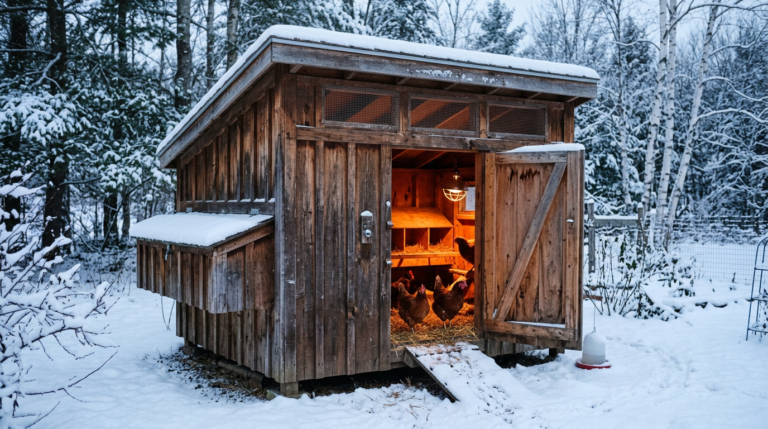
- For cold: Insulate the coop without sealing it airtight. Ventilation is critical to prevent moisture buildup, which causes frostbite faster than cold air alone. See our winter ventilation guide.
- Use the deep litter method in winter for natural insulation and composting heat.
- Never use heat lamps inside coops. They are a leading cause of coop fires.
9. New Flock Members
Adding new chickens disrupts the established pecking order, which creates stress for every bird in the flock — newcomers and old-timers alike. This social upheaval can suppress egg production for one to four weeks until the flock re-establishes its hierarchy.
The Fix
- Always quarantine new birds for at least two weeks before introducing them. This also protects against disease transmission.
- Use the “look but don’t touch” method: house newcomers in a separate enclosure within sight of the existing flock for 5 to 7 days before combining.
- Introduce new birds at night by placing them on the roost after dark. Waking up together reduces aggression.
- Add visual barriers, extra feeders, and extra waterers during the integration period to reduce conflict.
- Make sure your coop is large enough for the expanded flock. Check our coop sizing guide for the right numbers.
Quick-Reference: Causes and Fixes at a Glance
| Cause | Typical Duration | Key Fix | Season |
|---|---|---|---|
| Molting | 8-16 weeks | High-protein feed (20-22%) | Late summer/fall |
| Short daylight | Oct-Feb | Supplemental light to 14-16 hrs | Fall/winter |
| Stress/predators | Days to weeks | Predator-proof coop, reduce stressors | Any |
| Diet deficiency | 1-3 weeks after correction | Layer feed + free-choice oyster shell | Any |
| Age (2+ years) | Permanent decline | Add younger pullets to flock | Any |
| Broody behavior | 3-5 days with intervention | Broody breaker cage | Spring/summer |
| Illness/parasites | Varies | Vet check, dust baths, deworming | Any |
| Extreme heat/cold | During temp extremes | Shade + ventilation / insulation | Summer/winter |
| New flock members | 1-4 weeks | Gradual introduction, quarantine | Any |
When to Worry vs. When to Wait
Not every dip in egg production is a crisis. Seasonal slowdowns (winter, molting) are completely normal. However, you should take action quickly if you notice:
- A sudden, complete stop in the entire flock with no obvious seasonal cause
- Physical symptoms like lethargy, weight loss, discharge, or abnormal droppings
- Soft-shelled or shell-less eggs appearing repeatedly
- Evidence of predator visits or significant stress events
In these cases, start with a thorough coop inspection, review the diet, and consult a veterinarian if symptoms persist.
Keep Your Flock Laying With a Better Coop
Many of the causes above — stress, predator threats, poor ventilation, overcrowding — come back to one thing: coop design. A well-built coop with proper ventilation, predator-proofing, adequate space, and comfortable nesting boxes eliminates most laying problems before they start.
Browse our DIY chicken coop plans designed with all of these factors built in. Every plan includes detailed material lists, step-by-step instructions, and the predator-proofing details that keep your hens safe and productive.
Frequently Asked Questions
How long can chickens go without laying eggs?
Healthy hens can stop laying for several weeks to several months, depending on the cause. Molting pauses typically last 8 to 16 weeks. Winter slowdowns can last 3 to 4 months. If a hen has not laid for more than 4 months outside of molting or winter and she is under 3 years old, investigate diet, health, and stress factors.
Do chickens stop laying eggs in winter?
Most breeds significantly reduce or stop laying in winter due to shorter daylight hours. This is a natural biological response, not a sign of illness. Adding supplemental lighting to reach 14 to 16 total hours of light per day can maintain winter production, though some keepers prefer to let hens rest naturally.
At what age do chickens stop laying eggs completely?
Hens do not have a hard cutoff, but production declines steadily after age 2. Most hens become sporadic layers by age 5 to 6, and some stop entirely. Heritage breeds tend to lay longer (into year 5 or 6) but at lower volumes, while production hybrids burn out faster, often declining sharply after year 3.
Can stress really make chickens stop laying?
Yes. Stress triggers cortisol release, which directly suppresses the reproductive hormones that drive egg production. Even minor stressors like a moved feeder, a barking dog, or a new flock member can pause laying for several days. Chronic stress from predators, overcrowding, or bullying can suppress laying for weeks or longer.
Should I add a light to my chicken coop in winter?
It depends on your goals. Supplemental light does maintain egg production through winter, but it also means hens never get a natural reproductive rest. Some poultry experts believe that allowing the natural winter break extends a hen’s total laying lifespan. If you add light, use a timer set for early morning (not evening) so hens are not suddenly plunged into darkness at roosting time.