Chicken Coop and Run Plans: Free Sizing Guide + DIY Blueprints (2026)
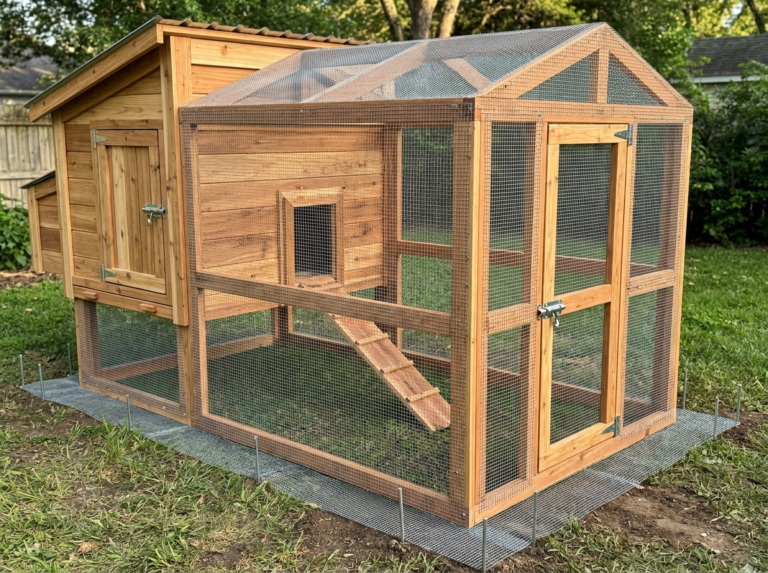
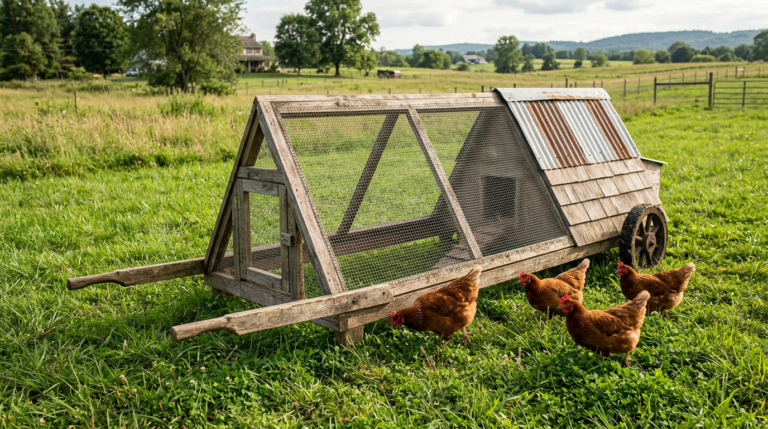
Building a combined chicken coop and run is one of the best projects you can take on for a happy, healthy backyard flock. With the right chicken coop and run plans, you get a safe place for your hens to sleep and lay, plus a protected outdoor space where they can scratch, dust-bathe, and roam — all in one build you can finish in a weekend.
This guide walks you through exactly what to look for in good coop and run plans, how much space your chickens need, and how the build comes together, so you can start with confidence even if you have never picked up a drill.

What Are Chicken Coop and Run Plans?
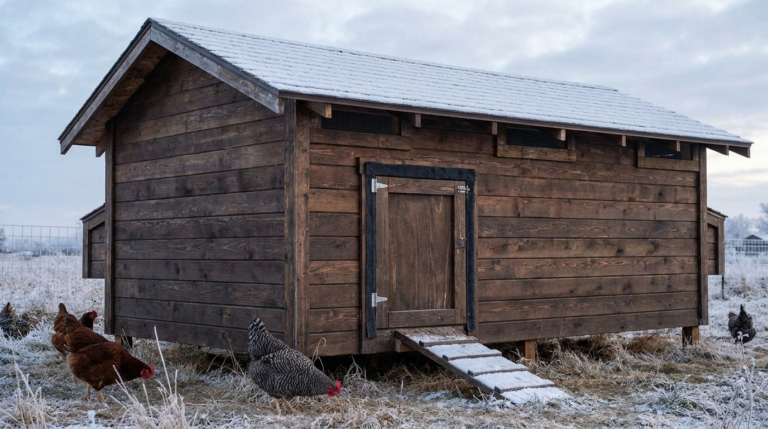
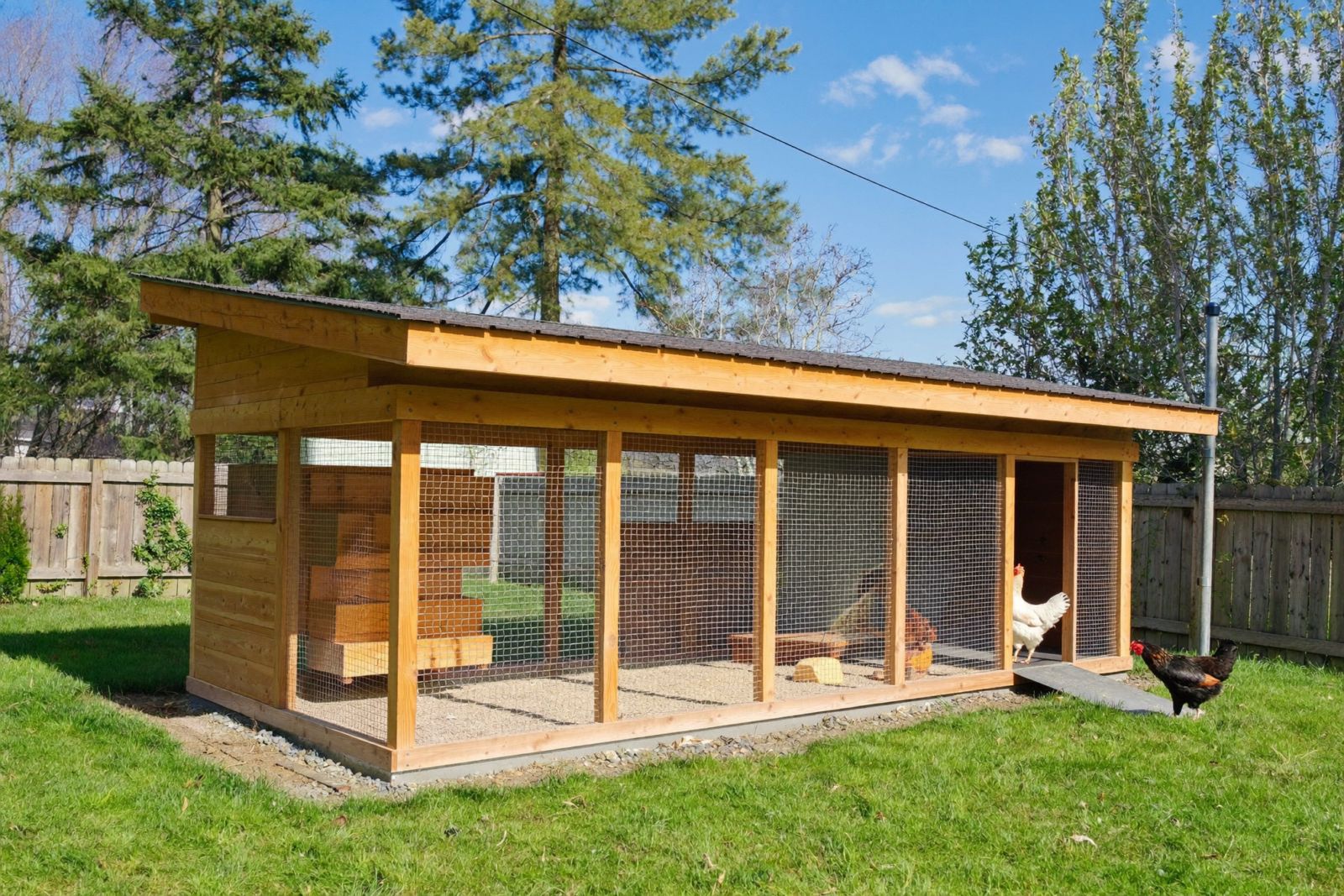
Chicken coop and run plans are detailed blueprints that show you how to build both the enclosed coop (where chickens roost and lay eggs) and the attached run (a fenced outdoor area) as a single connected structure. Good plans include exact measurements, a full material and cut list, step-by-step instructions, and diagrams — everything you need to buy the right lumber and build without guesswork.
Unlike a coop-only design, a coop and run plan gives your flock protected outdoor space, which means healthier, more active birds and far less risk from predators.
Why Build a Combined Coop and Run?
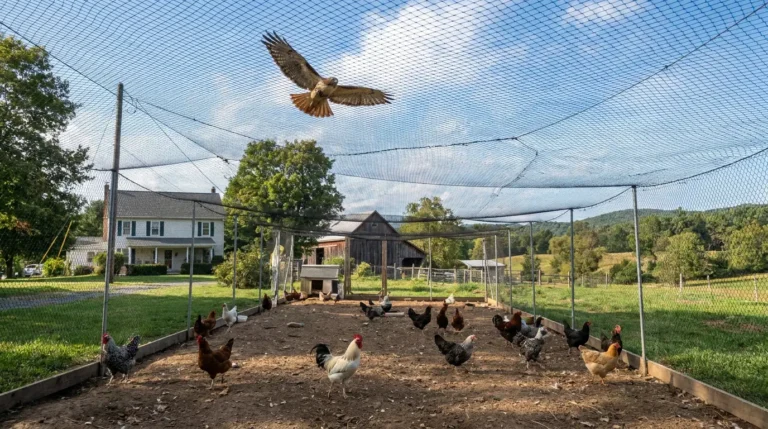
A coop on its own keeps chickens safe at night, but chickens also need daytime space to move. Free-ranging works until a hawk, fox, or neighbor’s dog shows up. A built-in run solves that:
- Predator protection around the clock — your flock stays safe even when you are not watching.
- Healthier hens — room to exercise, forage, and dust-bathe means less stress and better laying.
- Cleaner yard — chickens stay contained instead of destroying garden beds.
- Less daily work — food, water, and shade all live in one secure footprint.
How Much Space Do Chickens Need?
Space is the single most important number to get right before you pick a plan. Too little space causes stress, pecking, and disease. Here is the standard guideline:
| Area | Space per chicken | Example: 6 hens |
|---|---|---|
| Inside the coop | 3–4 sq ft | 18–24 sq ft |
| Outdoor run | 8–10 sq ft | 48–60 sq ft |
| Nesting boxes | 1 box per 3–4 hens | 2 boxes |
As a quick rule: give each hen at least 4 square feet inside the coop and 10 square feet in the run. These figures line up with guidance from University of Minnesota Extension, which recommends a minimum of 3–5 square feet of indoor space per bird. When in doubt, build bigger — chickens are always happier with more room, and a roomy run pays you back in fewer health problems.
Chicken Coop and Run Plans: Size Comparison
Choosing the right plan starts with your flock size. Here is how the four most common chicken coop with run builds compare:
| Plan Size | Flock | Coop Footprint | Run Footprint | Lumber Cost | Build Time |
|---|---|---|---|---|---|
| Small (4×4) | 3–4 hens | 16 sq ft | 32–40 sq ft | $45–$60 | 1 weekend |
| Medium (4×6) | 5–8 hens | 24 sq ft | 48–80 sq ft | $63–$85 | 1–2 weekends |
| Large (6×8) | 9–15 hens | 48 sq ft | 90–150 sq ft | $110–$150 | 2 weekends |
| XL (8×10) | 16–20 hens | 80 sq ft | 160–200 sq ft | $180–$240 | 2–3 weekends |
Lumber costs assume the cedar-frame + plywood hybrid build we recommend for maximum lifespan. For a full cost breakdown including roofing, hardware, and paint, see our cost to build a chicken coop guide.
What to Look for in Good Coop and Run Plans
Not all plans are equal. Before you build, make sure your chicken coop with run plans cover these three essentials.
Predator-Proofing
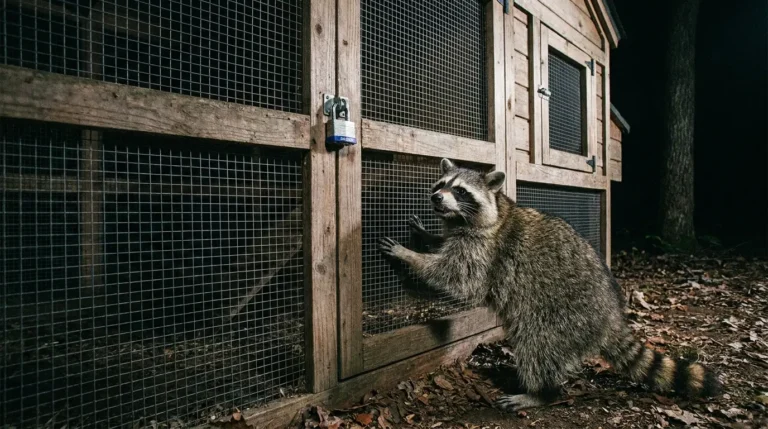
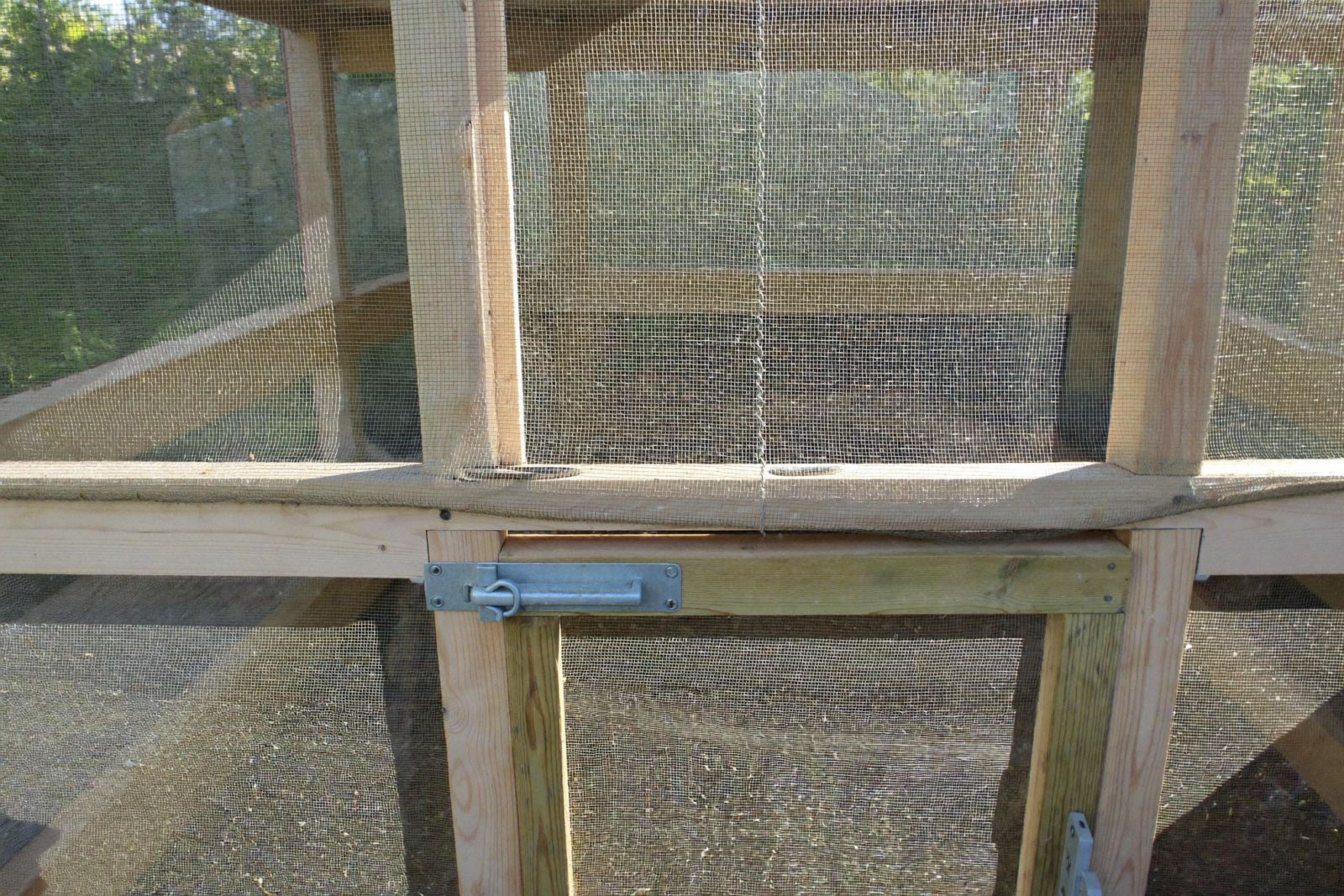
This is where most DIY coops fail. Your plans should specify half-inch hardware cloth (see our exact hardware specs checklist) — never chicken wire, which raccoons and dogs can tear right through. Look for a buried or skirted wire apron around the run to stop digging predators, and two-step locks and latches on every door.
Ventilation
Chickens produce a lot of moisture and ammonia. Good plans place vents high near the roofline so air moves without creating a cold draft on roosting birds. Proper ventilation prevents respiratory disease and keeps the coop dry through winter — see our winterizing guide for cold-climate ventilation tips. For more beginner tips, browse our raccoon-proofing guide.
Easy Cleaning and Egg Access
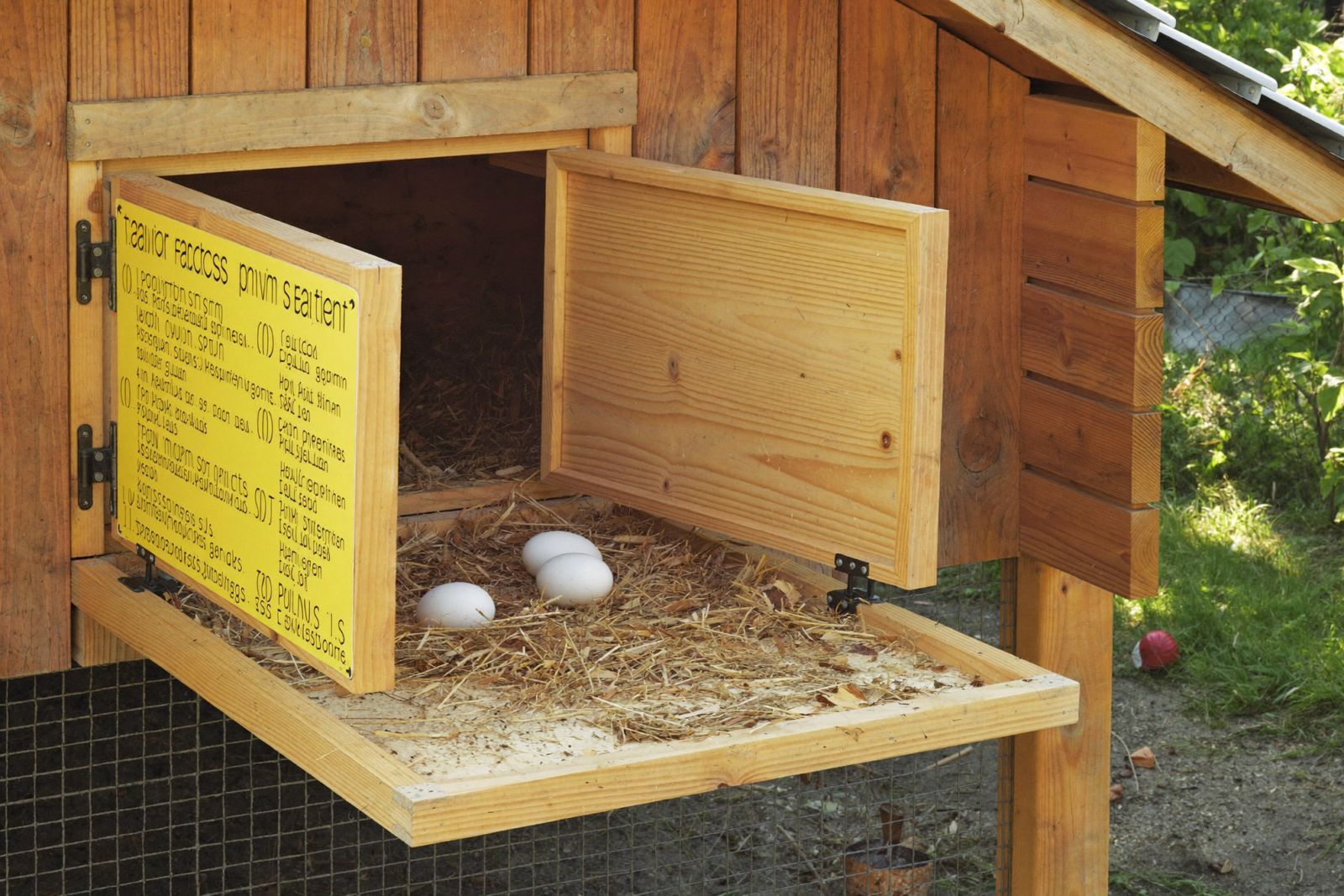
The best plans include an external nesting box with a hinged lid so you can collect eggs from outside without disturbing the flock, plus a wide clean-out door. These small design choices save you hours every month.
How to Build a Chicken Coop and Run: Step by Step
Every solid build follows the same order. Your plans should walk you through each stage with measurements:
- Build the floor frame — a level, square base of pressure-treated lumber.
- Raise it on legs — keeps the coop dry and deters predators.
- Frame the walls — with openings for the door, pop door, and vents.
- Add the roof and siding — sloped for drainage, with a 2-inch overhang. (Cedar or plywood? See our wood comparison.)
- Build and attach the run — fully wrapped in half-inch hardware cloth.
- Install doors, latches, and the nesting box — then paint or seal.
- Add bedding, a roost bar, food, and water — and welcome your flock.
With a clear plan and basic tools (drill, circular saw, tape measure, square), most beginners finish a coop and run in one or two weekends.
Our Chicken Coop and Run Plans
At CoopCraftsPro, our DIY chicken coop and run plans are made for beginners.. Every plan comes as an instant PDF download with:
- Exact measurements (imperial and metric)
- A complete material and cut list — so you know exactly what to buy
- Clear step-by-step instructions and diagrams
- Predator-proof run design and a built-in nesting box
- Beginner-friendly layout you can build in a weekend
Whether you are raising 4 hens or 15, there is a size for your backyard. Browse the full collection in our shop and start building this weekend.
Frequently Asked Questions
How big should a chicken coop and run be?
Plan for at least 4 square feet per hen inside the coop and 10 square feet per hen in the run. For 6 hens, that is roughly a 24 sq ft coop with a 60 sq ft run. Bigger is always better.
What materials do I need to build a coop and run?
Typically pressure-treated 4×4 posts, 2×4 framing lumber, plywood or cedar siding, a roofing panel, and half-inch hardware cloth for the run, plus screws, hinges, and locking latches. Your plan’s material list gives exact quantities.
Is chicken wire safe for a run?
No. Chicken wire keeps chickens in but does not keep predators out — raccoons, foxes, and dogs can tear through it. Always use half-inch hardware cloth for a predator-proof run.
Can a beginner build a chicken coop and run?
Yes. With clear plans, a material list, and basic tools, a first-time builder can complete a coop and run in one or two weekends. Beginner-friendly plans remove the guesswork.
How many nesting boxes do I need?
One nesting box for every 3–4 hens. Too many and they will roost in them; too few and they will crowd. Most small backyard coops need just 2–3 boxes.
Conclusion
A combined chicken coop and run gives your flock the best of both worlds: a safe place to sleep and lay, and protected space to roam by day. The key is starting with detailed, beginner-friendly chicken coop and run plans that get the sizing, predator-proofing, and ventilation right.
Ready to build? Grab your chicken coop and run plans from CoopCraftsPro and give your hens the home they deserve — this weekend. For more coop ideas and build inspiration, follow us on Pinterest.
Scaling up? Our chicken coop plans for 20 chickens cover the full build — coop, attached run, materials, and predator-proofing for bigger flocks.