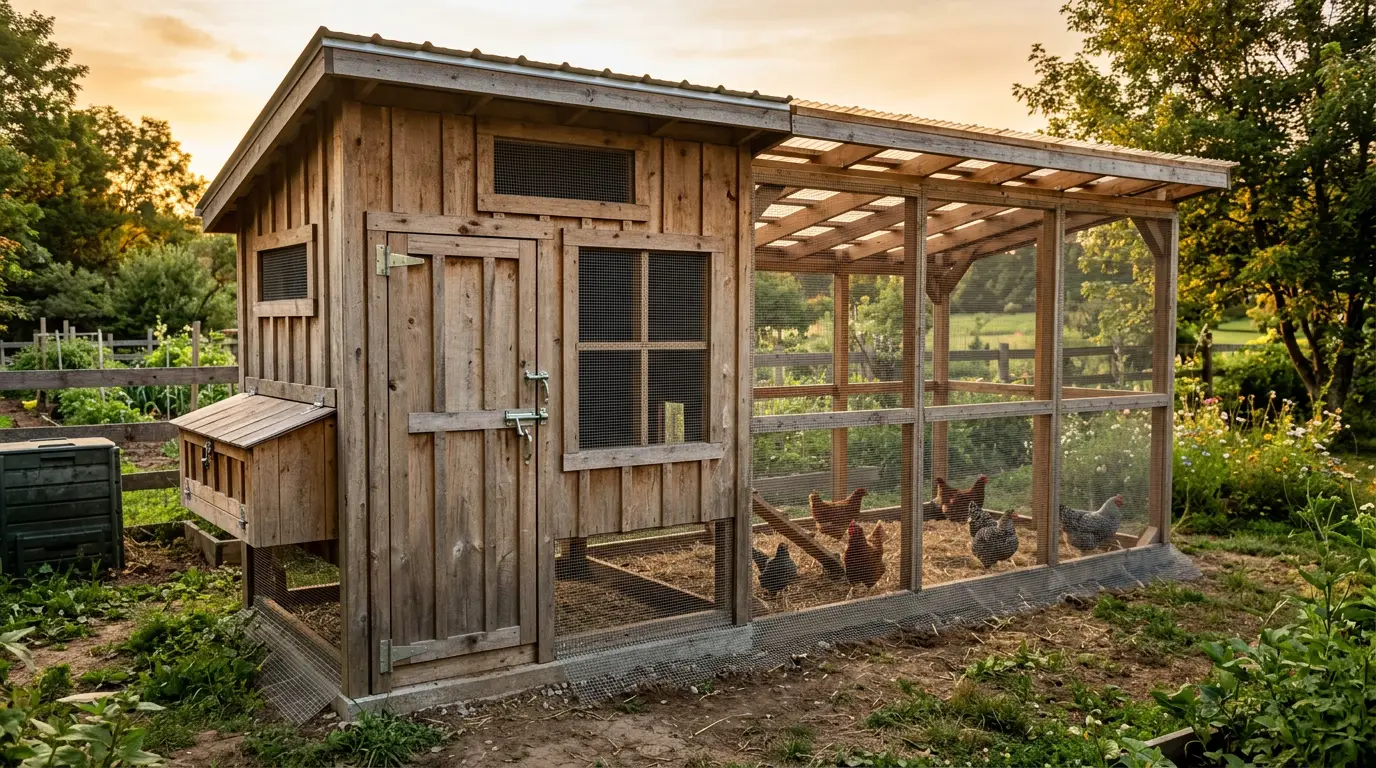
How to Predator-Proof Your Chicken Coop (Complete Guide)
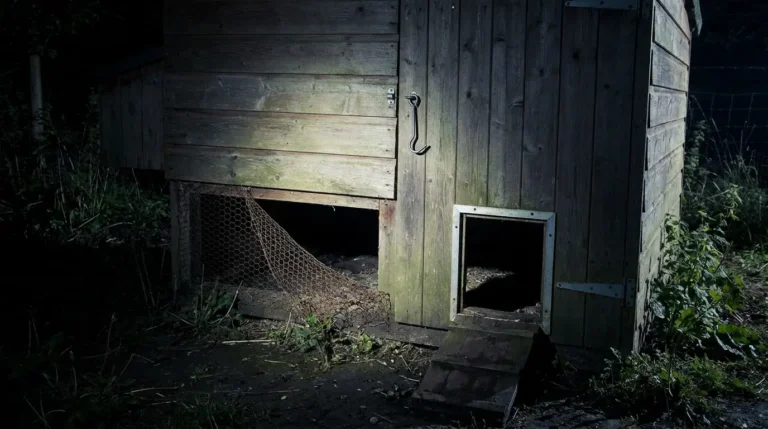
Losing chickens to predators is the most devastating experience in backyard chicken keeping. One morning you walk out to the coop and find feathers scattered, birds missing, and a hole torn through cheap chicken wire. It happens to thousands of flock owners every year — and it is almost always preventable.
This guide covers the five layers of predator protection that stop raccoons, foxes, hawks, weasels, and neighborhood dogs from reaching your flock. Whether you are building a new coop or upgrading an existing one, these steps will help you sleep through the night knowing your birds are safe. Choosing rot-resistant wood like cedar also keeps structural integrity intact so predators can’t exploit weakened boards.
Why Most Chicken Coops Fail Against Predators
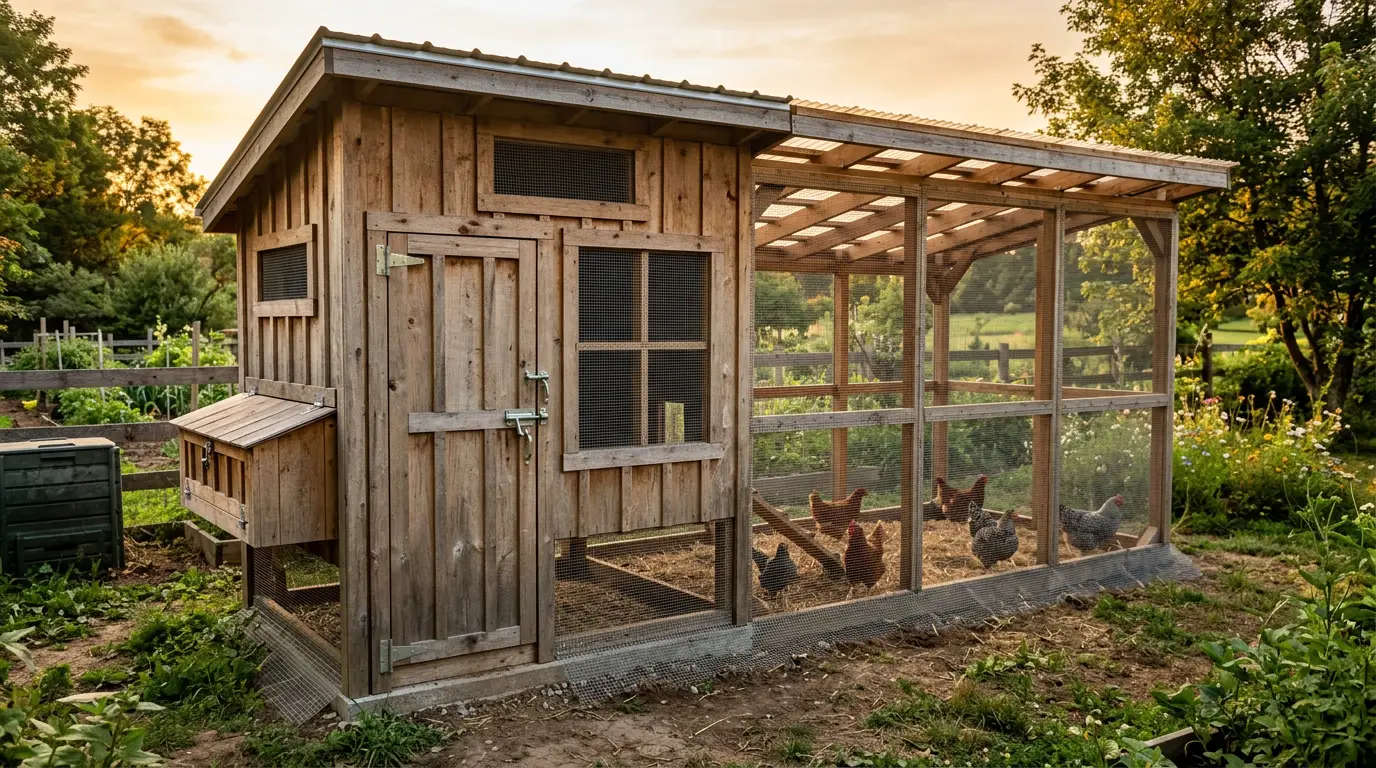
The standard backyard coop kit from a big-box store is not built to stop determined predators. Thin chicken wire bends under a raccoon’s grip. Latches flip open with one paw. Floors sit directly on soil where predators dig under in minutes. For a complete build with an attached run, see our chicken coop and run plans — every plan includes predator-proof run specs.
According to the University of New Hampshire Extension, predators are smarter, stronger, and more persistent than most people expect. A raccoon can reach through 1-inch mesh and pull a chicken out piece by piece. A fox can dig 12 inches underground in under five minutes. Hawks strike from above where there is no barrier at all.
The solution is not one single fix — it is five layers working together.
The 5 Layers of Predator Protection
Layer 1: Hardware Cloth on Every Opening
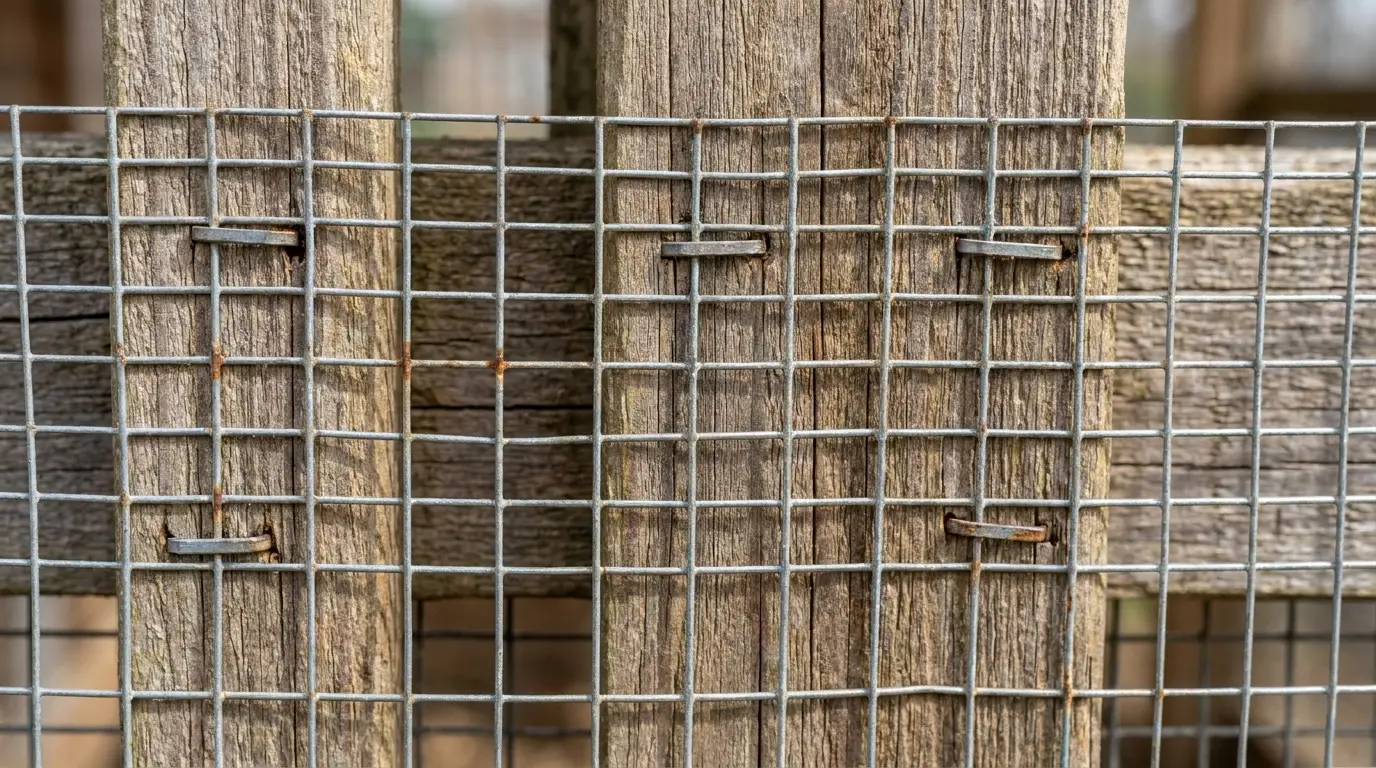
Replace all chicken wire with 1/2-inch galvanized hardware cloth. This is the single most important upgrade you can make. Hardware cloth stops raccoon hands, weasel bodies, and snake heads from getting through. Every access point also needs predator-proof locks and latches — a strong wall means nothing if the door latch fails.
Secure hardware cloth with screws and washers, not staples. Staples pull out under pressure. Cover every window, vent, and opening — predators find gaps you did not know existed.
$img2n
Layer 2: A Buried Dig Apron
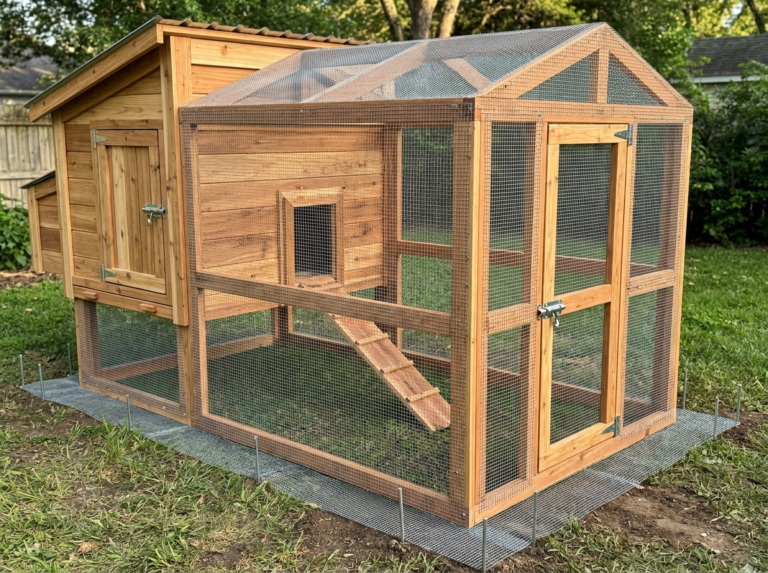
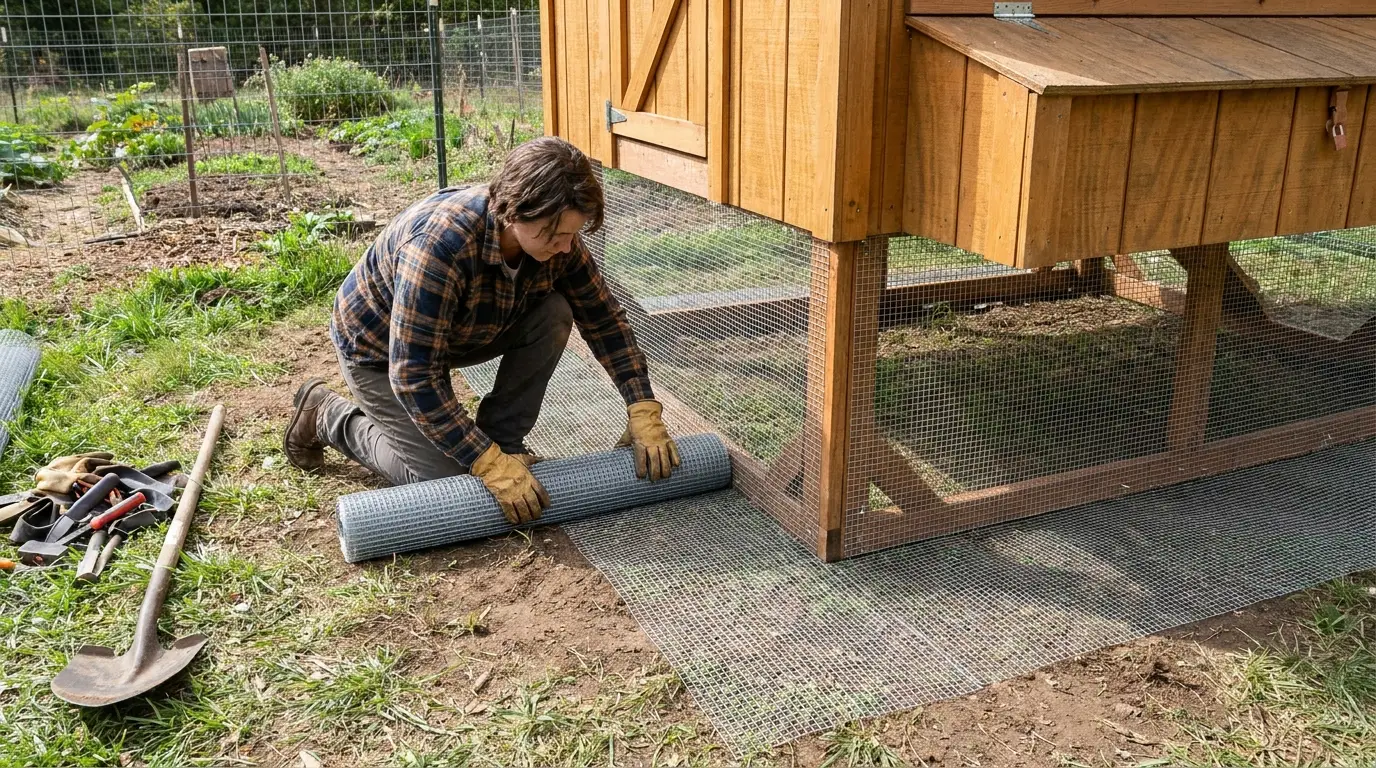
A dig apron is a strip of hardware cloth that extends outward from the base of your coop walls, either buried 6 inches underground or laid flat on the surface and covered with soil. When a predator tries to dig at the base of the wall, it hits the wire and cannot get past.
Extend the apron at least 12 inches outward from the wall. For areas with persistent fox or coyote pressure, go to 24 inches. An L-shaped footer is far more effective than burying wire straight down, because predators dig right at the base, not a foot away.
Layer 3: Two-Step Locks and Latches
Raccoons can open simple slide bolts, hook-and-eye latches, and even some twist latches. Use locks that require two different motions to open — like a carabiner clip or a padlock hasp. Spring-loaded barrel bolts also work well.
Lock every door, every night. This includes the main coop door, nest box lids, clean-out panels, and the pop door. One unlocked access point is all a raccoon needs.
$img3n
Layer 4: A Covered Run
Hawks, owls, and eagles attack from above. If your run is open on top, your birds are vulnerable every time they step outside. Cover the run with hardware cloth, welded wire panels, or bird netting rated for predator use.
For large runs where full hardware cloth coverage is expensive, heavy-duty poultry netting with 1-inch mesh provides solid hawk protection at a lower cost. Avoid lightweight bird netting that tears in wind or under snow load.
Layer 5: Close the Coop at Dusk
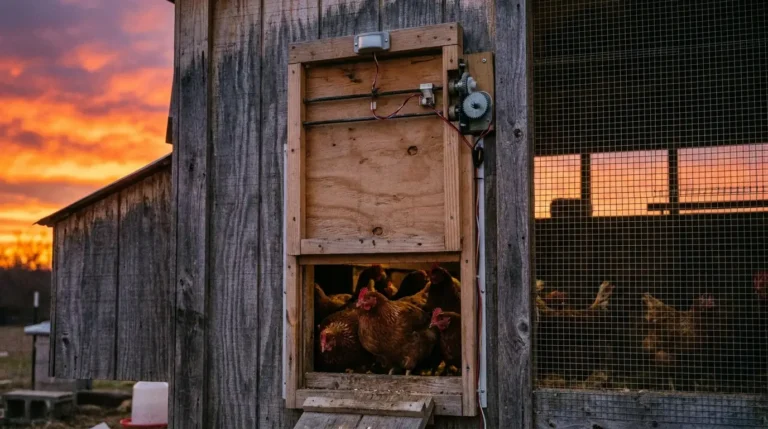
Most predator attacks happen between dusk and dawn. A coop door that closes at sunset and opens at sunrise eliminates the biggest window of vulnerability. Automatic coop doors with light sensors or timers handle this without you needing to be home.
If you close the door manually, build a habit around it. Set a phone alarm. Missing one night is all it takes.
Common Predators and What Stops Them
Raccoons: 1/2-inch hardware cloth, two-step latches, no gaps wider than 1 inch.
Foxes: Dig apron (24 inches recommended), secure run perimeter, coop locked at night.
Hawks and owls: Covered run, sheltered areas for birds to hide, avoid free-ranging during peak raptor hours.
Weasels and mink: 1/2-inch hardware cloth everywhere — they fit through anything larger. Seal all gaps around doors and frames.
Snakes: 1/2-inch hardware cloth blocks most snake species. Collect eggs daily so snakes have no reason to visit.
Dogs: Sturdy run construction, solid framing, and fencing around the coop perimeter. A determined large dog can break through lightweight materials.
Materials Checklist
Here is what you need to predator-proof a standard 4×8 coop with an attached run:
- 1/2-inch galvanized hardware cloth — 50 to 100 feet depending on run size
- Screws and fender washers (not staples) for securing mesh
- Two-step latches or carabiner clips — one per door and access panel
- Hardware cloth or welded wire for run roof
- Extra hardware cloth for dig apron — 12 to 24 inch width
- Automatic coop door (optional but recommended)
- Landscape staples for securing ground-level apron
Frequently Asked Questions
Can I use chicken wire instead of hardware cloth?
No. Chicken wire keeps chickens in but does not keep predators out. Raccoons tear through it easily, and weasels slip through the gaps. Hardware cloth is the only reliable option.
How deep should I bury the dig apron?
Bury it 4 to 6 inches deep, or lay it flat on the surface and cover with soil and grass. The horizontal barrier is what matters — predators dig at the wall base, hit the wire, and give up.
Do automatic coop doors really work?
Yes. Modern automatic doors are reliable and affordable. They use light sensors or timers to close at dusk and open at dawn. They are one of the best investments for predator protection.
What if I already lost chickens to a predator?
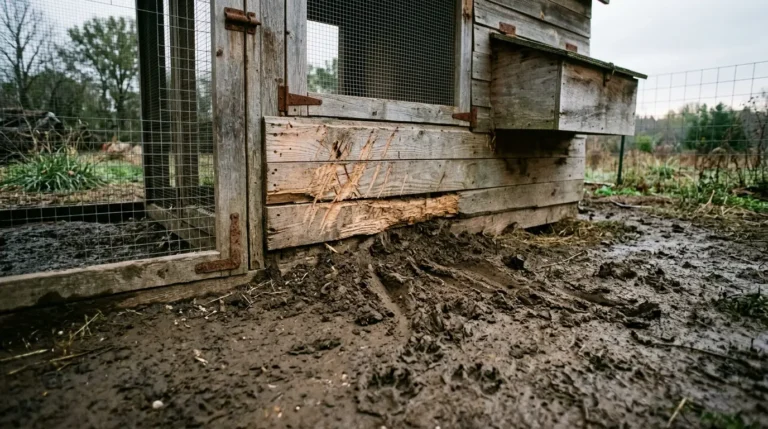
Identify the predator by the signs it left — tracks, type of damage, time of attack. Then address the specific entry point it used. In most cases, adding hardware cloth and a dig apron prevents repeat attacks.
Ready to build a coop that actually protects your flock? Browse our predator-proof coop plans designed with all five layers of protection built in.
Written by The CoopCrafts Team
Our team of DIY coop builders and backyard chicken keepers. We design, build, and field-test predator-proof coop plans so you can protect your flock with confidence.