Best Egg Laying Chickens: 15 Breeds Ranked by Eggs Per Year (2026 Guide)
Choosing the right egg laying breed is the single biggest decision that determines how many eggs you collect each morning. Some hens lay 300+ eggs per year while others barely crack 150 — and the difference comes down to breed genetics, not how fancy your coop is.
We’ve raised most of these breeds on our own homestead and talked to hundreds of backyard chicken keepers across North America. This guide ranks 15 breeds by actual egg production, covers egg color, temperament, cold hardiness, and helps you pick the right birds for your flock size and climate.
Quick Comparison: Eggs Per Year by Breed
| Breed | Eggs/Year | Egg Color | Egg Size | Temperament | Cold Hardy |
|---|---|---|---|---|---|
| ISA Brown | 300-320 | Brown | Large | Docile, friendly | Yes |
| White Leghorn | 280-320 | White | Large | Flighty, active | Moderate |
| Rhode Island Red | 250-300 | Brown | Large | Hardy, assertive | Yes |
| Australorp | 250-300 | Light brown | Large | Calm, gentle | Yes |
| Golden Comet | 250-300 | Brown | Large | Sweet, calm | Yes |
| Plymouth Rock | 250-280 | Light brown | Large | Friendly, curious | Yes |
| Sussex | 250-275 | Cream/light brown | Large | Curious, docile | Yes |
| Easter Egger | 250-280 | Blue/green | Medium-Large | Friendly | Yes |
| Wyandotte | 200-250 | Light brown | Large | Calm, assertive | Excellent |
| Buff Orpington | 200-250 | Light brown | Large | Very gentle | Yes |
| Ameraucana | 200-250 | Blue | Medium | Docile | Yes |
| Welsummer | 200-250 | Dark brown/speckled | Large | Friendly, active | Moderate |
| Marans | 180-220 | Dark chocolate brown | Large | Gentle, quiet | Moderate |
| Brahma | 150-200 | Brown | Large | Very calm, gentle | Excellent |
| Silkie | 100-120 | Cream/tinted | Small | Extremely docile | Moderate |
1. ISA Brown — The Egg-Laying Machine (300-320 Eggs/Year)
If maximum egg production is your goal, the ISA Brown is hard to beat. This hybrid breed was specifically engineered for commercial egg farming by Hendrix Genetics in France, and it shows — healthy ISA Browns start laying around 16 weeks old and can produce an egg nearly every single day during their first year.
ISA Browns are docile, friendly, and adapt well to both free-range and confined setups. They’re a great choice for beginners who want a reliable supply of large brown eggs without fussy care requirements.
The tradeoff: As hybrids, ISA Browns burn hot and fast. Production drops significantly after year two, and they’re more prone to reproductive issues like egg peritonitis than heritage breeds. If you plan to keep chickens for 5+ years, expect to replace your ISA Browns more frequently.
2. White Leghorn — The Commercial Powerhouse (280-320 Eggs/Year)
There’s a reason Leghorns dominate commercial egg production worldwide. These lightweight Mediterranean birds are egg-laying athletes, converting feed into eggs more efficiently than almost any other breed. A healthy Leghorn produces 280-320 large white eggs per year.
Leghorns are active, alert, and excellent foragers — they’ll scratch up every bug in your yard. However, they tend to be flighty and nervous around people, which makes them less ideal if you want lap-chicken friendliness or have young children.
Best for: Experienced keepers who prioritize egg quantity and want birds that forage well. Not ideal for cold climates — their large combs are susceptible to frostbite.
3. Rhode Island Red — The All-American Workhorse (250-300 Eggs/Year)
The Rhode Island Red is arguably the most popular backyard chicken breed in North America according to the USDA Cooperative Extension, and for good reason. These birds lay 250-300 large brown eggs annually while being cold hardy, heat tolerant, and resistant to most common poultry diseases.
RIRs are confident, curious, and generally friendly — though roosters can be aggressive. They’re equally comfortable free-ranging across a large yard or living in a well-designed coop and run setup. If you could only pick one breed, this would be our recommendation for most North American backyards.
Pro tip: Production-strain RIRs lay more eggs than heritage strains, but heritage birds are calmer and lay consistently over more years. Know which type you’re buying from your hatchery.
4. Australorp — The World Record Holder (250-300 Eggs/Year)
An Australorp holds the world record for egg production: 364 eggs in 365 days, set back in 1922 in Australia. While your backyard Australorp probably won’t match that, you can expect a solid 250-300 eggs per year from these beautiful, beetle-green-sheened black birds.
Australorps are calm, gentle, and excellent with children. They handle cold weather well and rarely go broody (unlike Orpingtons, their close relative). They’re one of the best “set it and forget it” breeds — low drama, high production.
5. Golden Comet — The Beginner’s Best Friend (250-300 Eggs/Year)
Golden Comets (also sold as Golden Buffs, Cinnamon Queens, or Red Stars) are sex-link hybrids bred specifically for backyard flocks. They start laying earlier than most breeds — sometimes as young as 15 weeks — and produce 250-300 large brown eggs annually.
Their temperament is their biggest selling point. Golden Comets are sweet, calm, and often follow their owners around the yard like puppies. They’re the breed we recommend most for first-time chicken keepers with kids.
Like ISA Browns: Golden Comets are hybrids, so expect production to taper after 2-3 years. Plan for flock replacement or keep them as beloved pets alongside newer layers.
6. Plymouth Rock (Barred Rock) — The Dependable Classic (250-280 Eggs/Year)
Barred Plymouth Rocks have been a staple of American homesteads since the 1860s (listed by the Livestock Conservancy), and their popularity hasn’t faded for good reason. They lay 250-280 large light-brown eggs per year and continue producing reliably for 4-5 years — much longer than hybrids.
Barred Rocks are friendly, curious, and winter-hardy. Their distinctive black-and-white barred feather pattern makes them easy to identify and pleasant to look at in your yard. They do well in both free-range and confined environments.
7. Sussex — The Gentle Forager (250-275 Eggs/Year)
Sussex chickens are a dual-purpose heritage breed from England that produces 250-275 large cream-to-light-brown eggs per year. The Speckled Sussex variety is particularly popular for its striking plumage and exceptional foraging ability.
Sussex hens are curious, social, and follow their owners around the yard. They’re excellent mothers if you want to hatch chicks naturally. Their one quirk: they tend to be vocal, so they may not be the best choice if you have close neighbors.
8. Easter Egger — The Colorful Crowd-Pleaser (250-280 Eggs/Year)
Easter Eggers aren’t technically a breed — they’re mixed-breed chickens that carry the blue-egg gene. But they’ve earned a spot on this list because they lay 250-280 eggs per year in shades of blue, green, olive, and sometimes pink. Kids love the egg-hunt feel of collecting their colorful eggs.
Each Easter Egger looks different (they come in every color and feather pattern imaginable), and most are friendly, cold-hardy, and easy to care for. They’re the breed to add if you want variety in your egg basket without sacrificing production.
Don’t confuse them with Ameraucanas. True Ameraucanas are a recognized breed with strict color standards and always lay blue eggs. Easter Eggers are the affordable, widely available alternative — most birds sold as “Ameraucanas” at feed stores are actually Easter Eggers.
9. Wyandotte — Built for Cold Winters (200-250 Eggs/Year)
If you live in a cold climate, Wyandottes deserve serious consideration. Their rose combs are nearly frostbite-proof (unlike the large single combs on Leghorns), and their dense, fluffy plumage insulates them through harsh winters. They lay 200-250 large brown eggs per year and keep producing through cold months when other breeds slow down.
Wyandottes come in stunning color varieties — Silver Laced, Golden Laced, Blue Laced Red, and Columbian are the most popular. They’re calm and assertive birds that do well in mixed flocks.
10. Buff Orpington — The Golden Teddy Bear (200-250 Eggs/Year)
Buff Orpingtons are the golden retrievers of the chicken world. These big, fluffy, golden birds are so gentle and friendly that they’re often the first breed recommended for families with young children. They lay 200-250 light-brown eggs per year.
The main downside: Orpingtons frequently go broody, meaning they’ll stop laying and try to sit on eggs to hatch them. This is great if you want to raise chicks naturally, but frustrating if you just want eggs. Breaking a broody Orpington can take a week or more.
11. Ameraucana — True Blue Eggs (200-250 Eggs/Year)
True Ameraucanas are a recognized breed that always lays blue eggs — not green, not olive, just blue. They produce 200-250 medium-sized blue eggs annually. They’re docile, cold-hardy thanks to their pea combs and muffs, and make a beautiful addition to any flock.
Buying tip: True Ameraucanas from reputable breeders cost more ($8-15 per chick vs. $3-5 for Easter Eggers). If you just want colorful eggs, Easter Eggers deliver more eggs for less money. If breed purity and guaranteed blue eggs matter to you, invest in true Ameraucanas.
12. Welsummer — The Dark Speckled Beauty (200-250 Eggs/Year)
Welsummers lay the most Instagram-worthy eggs in the chicken world: large, dark terracotta-brown eggs with darker speckles. They produce 200-250 eggs per year and are active, friendly foragers that do well in free-range setups.
If you’re planning to sell eggs at a farmers market or from a roadside stand, Welsummers give your cartons that artisanal, farm-fresh look that commands premium prices.
13. Marans — The Chocolate Egg Layer (180-220 Eggs/Year)
Marans are famous for one thing: they lay the darkest brown eggs of any breed. Black Copper Marans in particular produce eggs so dark they look like chocolate. At 180-220 eggs per year, they’re not the most productive layers, but the egg color makes them a must-have for anyone who wants a diverse egg basket.
Marans are gentle, quiet birds that get along well in mixed flocks. They were reportedly the preferred eggs of James Bond author Ian Fleming — he specified that Bond ate Marans eggs for breakfast.
14. Brahma — The Gentle Giant (150-200 Eggs/Year)
Brahmas are the largest standard chicken breed, with roosters reaching 12+ pounds. Despite their imposing size, they’re remarkably calm and gentle — kids can handle them easily. They lay 150-200 large brown eggs per year, with the interesting trait of laying better in winter than summer.
Their feathered feet and dense plumage make them exceptionally cold-hardy. If you live in Minnesota, Maine, or Canada, Brahmas will keep laying when lighter breeds have shut down for the season. Just keep their foot feathering dry to prevent issues.
15. Silkie — The Broody Pet (100-120 Eggs/Year)
With only 100-120 small eggs per year, Silkies are the worst layers on this list — and that’s fine, because nobody keeps Silkies for eggs. These fluffy, fur-like birds are the ultimate pet chicken: they’re incredibly docile, love being held, and are famous for going broody and hatching eggs from other breeds.
If you want a natural incubator for your flock, keep a few Silkies. They’ll happily adopt and raise chicks from your high-production breeds. Many experienced keepers maintain a “Silkie nursery” specifically for this purpose.
How to Choose the Right Breeds for Your Flock
If you want maximum eggs
Go with ISA Browns or Golden Comets. You’ll get 300+ eggs per hen in the first year. Just plan to replace them every 2-3 years as production declines. A flock of 6 ISA Browns will give a family of four more eggs than they can eat.
If you want eggs for years (not just this year)
Choose heritage breeds like Rhode Island Reds, Australorps, or Plymouth Rocks. They lay fewer eggs per year than hybrids, but they keep producing for 4-5+ years. Over a hen’s lifetime, heritage breeds often match or exceed hybrids in total eggs.
If you live in a cold climate
Prioritize rose-combed or pea-combed breeds: Wyandottes, Brahmas, Ameraucanas, and Buckeyes are built for freezing winters. Avoid large-combed breeds like Leghorns and Minorcas — frostbitten combs are painful and reduce laying.
If you have kids
Buff Orpingtons, Silkies, Golden Comets, and Australorps are the gentlest breeds. They tolerate handling, rarely peck, and some will sit on a child’s lap. Avoid Leghorns and some Rhode Island Red roosters — they can be too flighty or aggressive around small children.
If you want colorful eggs
Build a “rainbow flock” with Easter Eggers (blue/green), Welsummers (dark speckled brown), Marans (chocolate), and White Leghorns (white). Four breeds, four egg colors, and strong production across the board.
How Many Chickens Do You Actually Need?
A good rule of thumb: plan for 2-3 hens per person in your household. A family of four needs 8-12 hens to have enough eggs year-round (accounting for seasonal slowdowns, molting, and broody breaks). Start with 6 hens if you’re a beginner — you can always add more later.
Use our chicken coop size calculator to figure out exactly how much coop space you’ll need for your flock size.
Housing Your Layers: Coop Requirements
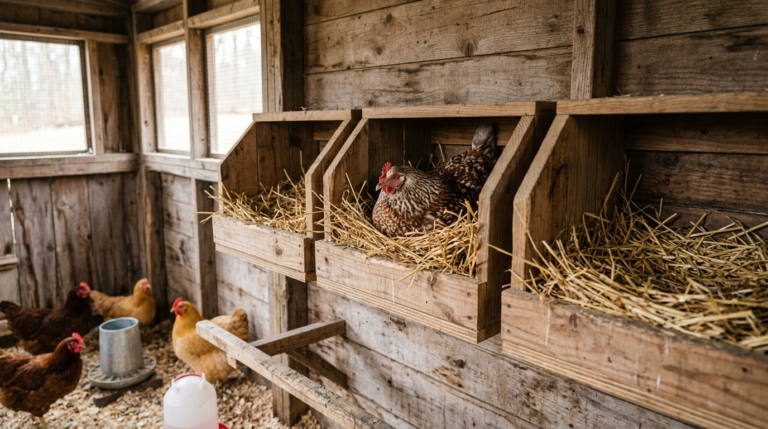
High-production layers need a comfortable, safe coop to perform at their best. The basics: 4 square feet of coop space per bird (more for large breeds like Brahmas), 10 square feet of run space per bird, one nesting box per 3-4 hens, and 8-10 inches of roosting bar per chicken.
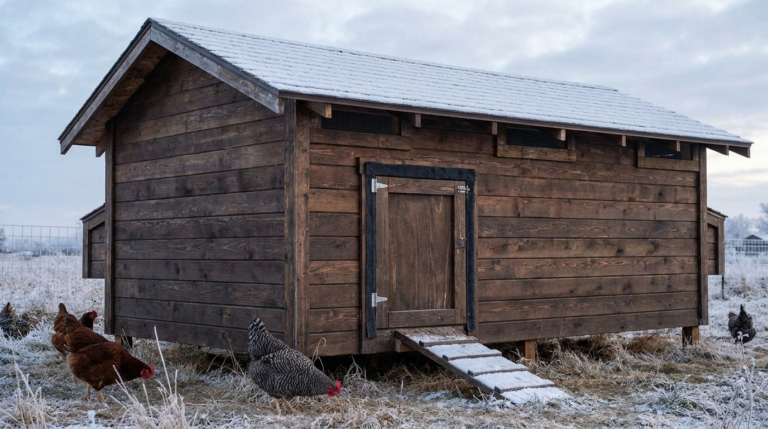
A well-ventilated, predator-proof coop directly impacts egg production. Stressed hens from predator attacks or poor ventilation will reduce their laying. Check out our DIY coop plans designed specifically for backyard flocks of 4-20 hens.
Frequently Asked Questions
What chicken lays the most eggs per year?
The ISA Brown lays the most eggs per year at 300-320 eggs. White Leghorns are a close second at 280-320 eggs. Both are bred specifically for maximum egg production.
Do chickens lay eggs every day?
Top-producing breeds like ISA Browns can lay an egg nearly every day during peak production (roughly 20-22 weeks old through their first year). Most heritage breeds lay 4-6 eggs per week. All chickens slow down or stop laying during molting season (usually fall) and short winter days.
How long do chickens lay eggs?
Hybrid breeds like ISA Browns and Golden Comets produce heavily for 2-3 years, then decline sharply. Heritage breeds like Plymouth Rocks and Rhode Island Reds lay consistently for 4-5 years, with gradual decline. Most hens continue laying some eggs up to age 7-8, just fewer each year.
What breed lays colored eggs?
Easter Eggers and Ameraucanas lay blue or green eggs. Marans lay dark chocolate-brown eggs. Welsummers lay dark speckled brown eggs. Olive Eggers (a cross between blue-egg and dark-brown-egg breeds) lay olive-green eggs. Most other common breeds lay white or light-brown eggs.
Can you mix different chicken breeds in one flock?
Absolutely. Mixed flocks are the norm for backyard keepers. Most breeds get along fine together. Just avoid mixing very large breeds (Brahmas) with very small ones (Silkies) unless you have plenty of space, and introduce new birds gradually to minimize pecking-order stress.
Start With the Right Breed, Build the Right Coop
Picking the right egg-laying breed is step one. Step two is giving them a safe, comfortable home. Whether you’re housing 4 hens or 20, a well-designed coop maximizes egg production and protects your flock from predators and weather extremes.
Browse our complete collection of DIY chicken coop plans — from our free 4×6 starter coop to walk-in designs for larger flocks. Every plan includes cut lists, hardware specs, and step-by-step building instructions.