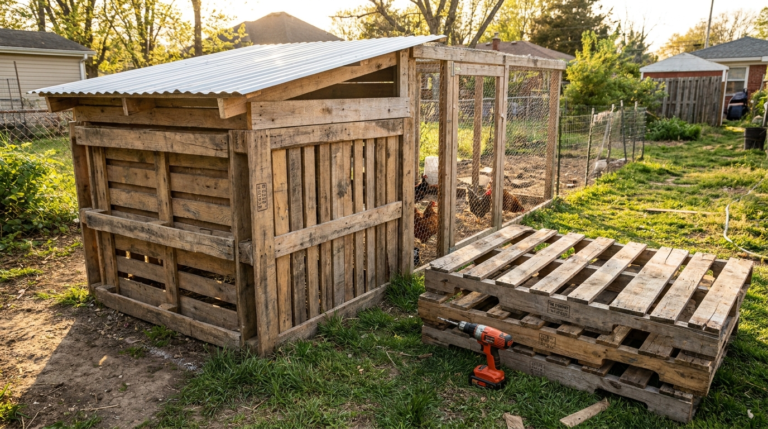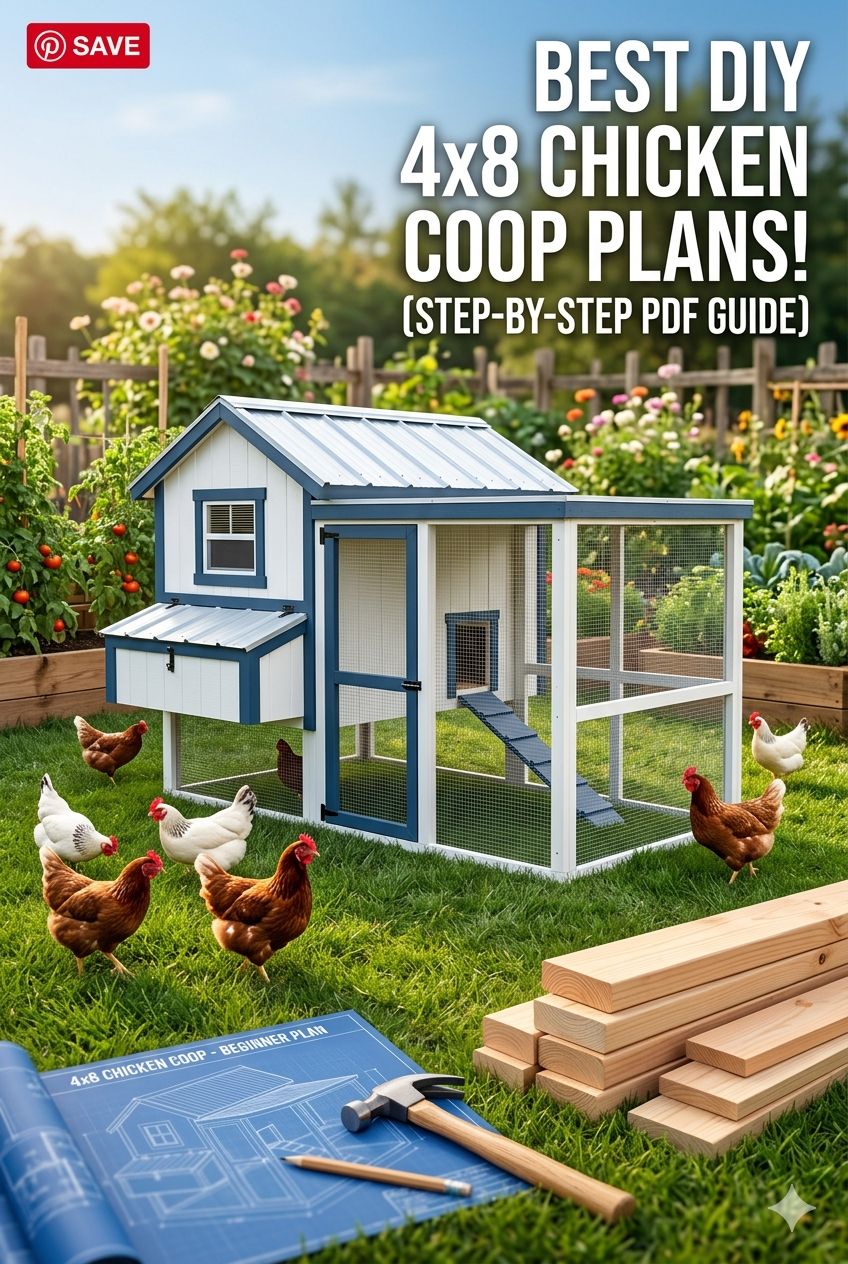
Best DIY 4×8 Chicken Coop Plans with Material List (PDF Guide) 2026
Building a backyard sanctuary for your flock begins with selecting the right design. Many enthusiasts find that free chicken coop plans 4×8 offer the perfect balance of space and efficiency for small to medium-sized groups of birds.
A well-constructed shelter serves as the foundation for a healthy and productive flock. By utilizing professional-grade blueprints, both novices and experienced builders can simplify the construction process significantly.
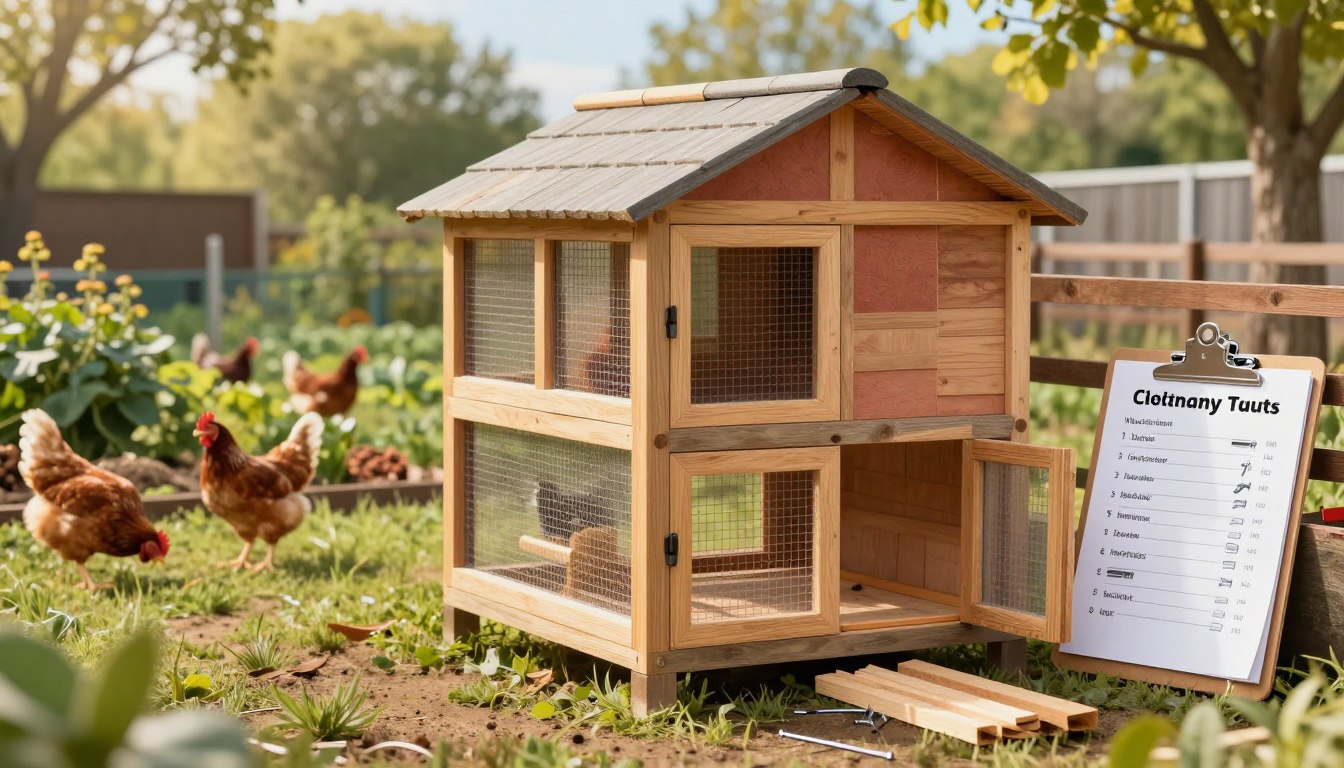
free chicken coop plans 4×8
These detailed resources provide a clear roadmap, ensuring every board is cut to the correct size. Accessing these free chicken coop plans 4×8 allows you to streamline your project from start to finish. With a comprehensive material list in hand, you can confidently transform your backyard into a thriving habitat.
Key Takeaways
- A 4×8 footprint provides optimal space for a healthy, productive flock.
- Professional blueprints reduce construction errors for builders of all skill levels.
- Using a structured PDF guide saves time and minimizes material waste.
- Proper planning is essential for long-term poultry health and safety.
- Accessible design documents make DIY projects achievable for beginners.
Why Choose a 4×8 Foot Design for Your Backyard
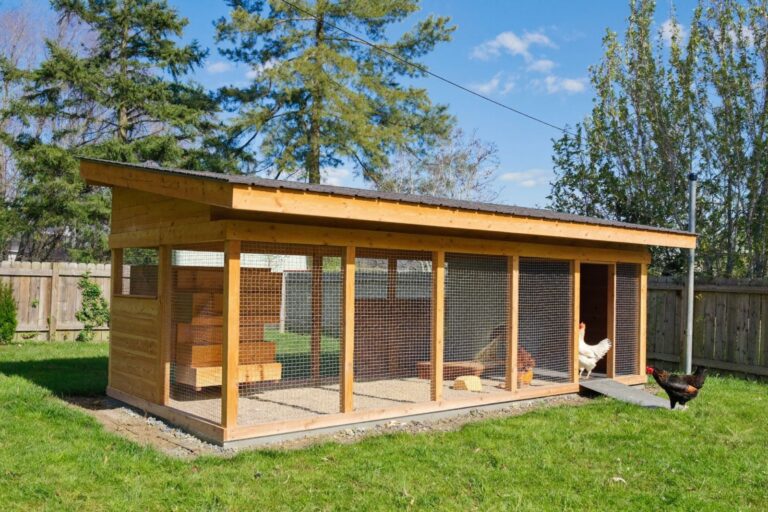
The 4×8 foot layout has become the gold standard for those looking to maximize their backyard space. This specific dimension provides a perfect balance between a manageable footprint and enough interior room for a healthy flock. Many enthusiasts prefer these 4×8 chicken coop plans because they fit easily into most residential yards without requiring extensive land clearing.
Benefits of the 4×8 Footprint
Providing 32 square feet of interior space, this design ensures that your birds have ample room to move, roost, and nest comfortably. A well-planned diy chicken coop of this size allows for better airflow and easier cleaning, which are essential for maintaining a hygienic environment. By keeping the floor space open, you reduce the risk of disease and stress among your hens.
The rectangular shape is highly efficient for construction and material usage. It allows for standard lumber lengths, which minimizes waste and keeps your project budget-friendly. This structural efficiency is a major reason why this size remains a favorite for beginners and experienced keepers alike.
Ideal Flock Size for This Coop
When determining how many hens can reside in this space, it is important to prioritize bird welfare. A 4×8 coop is generally considered ideal for a flock of 8 to 12 standard-sized chickens. This density allows each bird to maintain its social hierarchy without the negative behaviors often caused by overcrowding.
Proper spacing ensures that every hen has access to nesting boxes and roosting bars throughout the day. When you follow reliable 4×8 chicken coop plans, you create a sanctuary that supports natural behaviors. Ultimately, building a diy chicken coop with these dimensions provides the best environment for your flock to remain productive and happy year-round.
Essential Tools and Safety Gear for Construction
Accuracy and safety are the foundations of any great DIY project, especially when building a chicken coop. Having the right equipment on hand ensures that your chicken coop blueprints translate perfectly into a durable, long-lasting structure. Proper preparation reduces frustration and helps you maintain a steady pace throughout the assembly process.
Power Tools Required
Efficiency is key when working with lumber, and a few high-quality power tools will save you hours of manual labor. A circular saw is essential for making straight, clean cuts on your framing boards and siding panels. You will also need a reliable cordless drill and impact driver to secure fasteners quickly and effectively.
These tools allow you to follow your chicken coop blueprints with precision. Always ensure your batteries are fully charged before starting a new phase of construction. Keeping your power tools organized in a central location keeps the workspace clear and safe.
Hand Tools and Measuring Equipment
While power tools handle the heavy lifting, hand tools provide the fine-tuned accuracy required for a professional finish. A speed square is vital for marking 90-degree angles on your studs and rafters. You should also keep a high-quality level nearby to ensure your walls remain perfectly plumb and your floor joists stay flat.
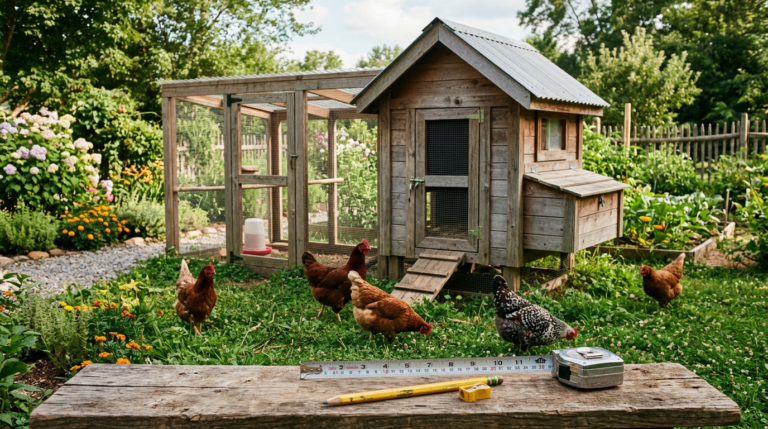
A sturdy tape measure is perhaps the most important tool in your kit. Double-check every measurement against your chicken coop blueprints before making a single cut. Using a chalk line can also help you maintain straight layouts across long sections of plywood or siding.
Personal Protective Equipment
Never overlook the importance of safety gear during your build. Wearing safety glasses is non-negotiable, as they protect your eyes from flying sawdust and debris. Durable work gloves will prevent splinters and provide a better grip when handling rough-cut lumber.
Consider using ear protection if you are operating loud machinery for extended periods. A dust mask is also recommended when cutting treated wood or insulation materials. Staying safe ensures that you can enjoy the process of building your coop from start to finish.
| Tool Category | Primary Use | Safety Priority |
| Circular Saw | Cutting lumber and siding | High |
| Cordless Drill | Driving screws and fasteners | Medium |
| Speed Square | Marking accurate angles | Low |
| Safety Glasses | Eye protection | Critical |
Comprehensive Material List for Your Build
Preparing a detailed material list is the most critical step for any successful construction project. Having a complete inventory of supplies before you begin prevents mid-project delays and helps you manage your budget effectively.
By organizing your shopping in advance, you ensure that every board, screw, and sheet of siding is ready when needed. This proactive approach saves time and reduces the frustration of multiple trips to the hardware store.
Lumber and Framing Requirements
The foundation and skeleton of your backyard chicken coop rely on high-quality lumber. You will primarily need pressure-treated 2x4s for the base to resist ground moisture and rot.
Standard kiln-dried 2×4 studs are perfect for the wall framing and roof rafters. Ensure you purchase enough plywood or oriented strand board (OSB) for the flooring and wall sheathing to provide a sturdy, enclosed environment for your flock.
Roofing and Siding Materials
Protecting your birds from the elements requires durable exterior materials. Exterior-grade siding, such as T1-11 or cedar lap siding, offers excellent weather resistance and aesthetic appeal.
For the roof, asphalt shingles or corrugated metal panels are popular choices. Always include roofing felt or a synthetic underlayment to provide an extra layer of moisture protection beneath your chosen roofing material.
Hardware and Fasteners
A solid material list must account for the small but vital components that hold the structure together. You will need a generous supply of exterior-grade deck screws, which are far superior to nails for long-term stability.
Do not forget to include heavy-duty hinges and a secure locking latch for the main door and nesting box access. These items are essential for keeping your backyard chicken coop safe from predators and ensuring the longevity of your build.
Preparing the Site and Foundation
A solid foundation is the secret to a long-lasting coop. When you follow a step by step guide, you quickly realize that the ground beneath your structure is just as important as the lumber above it. Proper preparation prevents rot, keeps the interior dry, and ensures your flock stays healthy throughout the changing seasons.
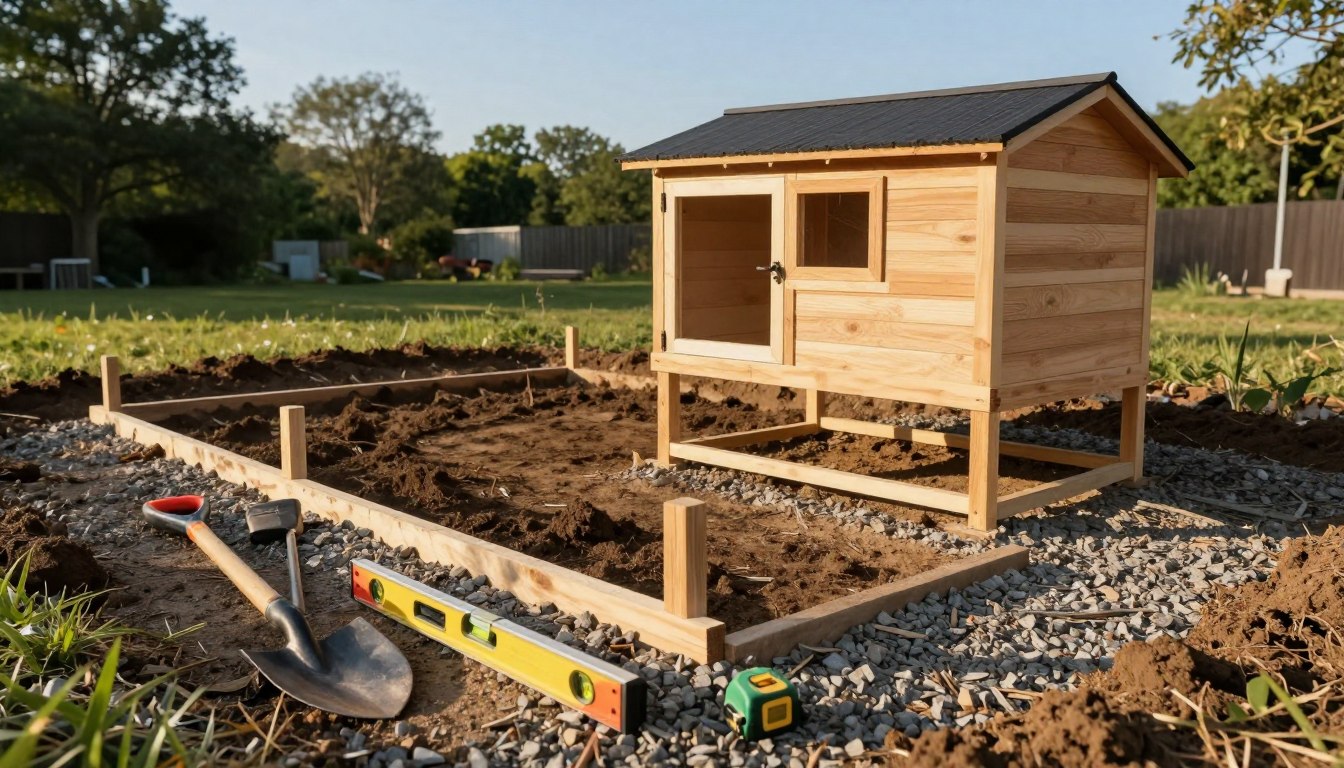
step by step guide to build a chicken coop
Selecting the Perfect Location
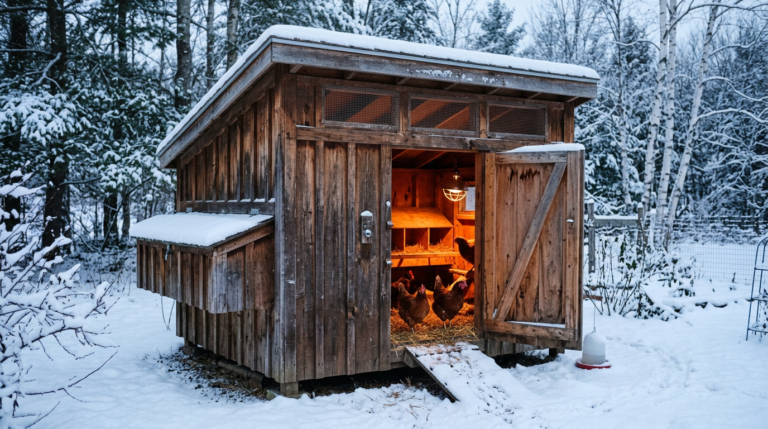
Choosing the right spot requires careful observation of your backyard. You should prioritize areas with natural drainage to prevent water from pooling around the base during heavy rain. Additionally, placing the coop in a location that offers protection from prevailing winds will keep your chickens comfortable during colder months.
“The foundation of a successful project is laid long before the first nail is driven into the wood.”
Leveling the Ground
Leveling the site is a vital task that many beginners overlook. If the ground is uneven, the frame will twist, which causes doors and windows to stick or fail to latch properly. Use a long level and a shovel to remove high spots, ensuring a flat surface for your base.
Choosing Between Skids and Concrete Blocks
Deciding how to support your structure depends on your specific terrain and mobility needs. Many people choose to build a chicken coop on skids if they want the option to move it later. Conversely, concrete blocks provide a permanent, sturdy base that keeps the wood off the damp soil.
| Foundation Type | Best For | Key Benefit |
| Skids | Mobile Coops | Easy to relocate |
| Concrete Blocks | Permanent Sites | Superior stability |
| Gravel Pad | Drainage | Prevents moisture |
Ultimately, the choice depends on your local climate and long-term goals for your backyard. A well-leveled site using either method will provide the stability your chickens need to thrive. Taking the time to prepare the ground now saves you from significant repairs in the future.
Constructing the Frame and Walls
Establishing a rigid frame is essential for the long-term durability of your hen house. Whether you are following professional hen house plans or adapting your own design, the framing process dictates the overall stability of the structure. A well-built frame ensures that doors hang correctly and the roof remains secure against heavy winds.
Framing the Base and Floor Joists
The base acts as the foundation for the entire coop. Builders typically use pressure-treated lumber for the floor joists to prevent rot from ground moisture. It is vital to measure diagonally from corner to corner to ensure the frame is perfectly square before securing the joists.
Measure twice, cut once remains the golden rule of carpentry, ensuring that every piece of lumber fits exactly as intended.
Raising the Wall Studs
Once the floor is level, you can begin raising the wall studs. Most free chicken coop plans recommend spacing studs 16 inches on center to provide maximum support for the siding and roof. Vertical alignment is critical during this stage to prevent the walls from leaning or bowing over time.
Use temporary bracing to hold the studs in place while you fasten them to the base plate. This simple step keeps the walls plumb and prevents shifting during the assembly process. A stable wall structure is the key to a long-lasting coop.
Installing Exterior Siding
After the frame is complete, the exterior siding provides the final layer of protection. This material acts as a barrier against rain, snow, and harsh wind. Proper installation of the siding also adds significant rigidity to the entire structure, locking the studs into a cohesive unit.
Ensure that the siding panels are sealed at the seams to keep the interior dry and draft-free. By following these steps, you create a robust environment that protects your flock throughout the changing seasons. A solid exterior is the hallmark of a high-quality build.
Roofing and Ventilation Strategies
Protecting your chickens from the elements starts with a solid, well-ventilated roof design. A roof must do more than just keep the rain out; it must also facilitate proper airflow to prevent respiratory issues in your flock. This beginner friendly diy approach ensures that your coop remains a safe, dry environment throughout the changing seasons.
Framing the Roof Structure
The roof frame provides the necessary slope to shed water and snow effectively. Most builders prefer a simple shed-style roof, which is easy to construct and provides a consistent pitch. Proper framing involves securing rafters to the top plates of your wall studs to ensure the structure can withstand heavy winds.
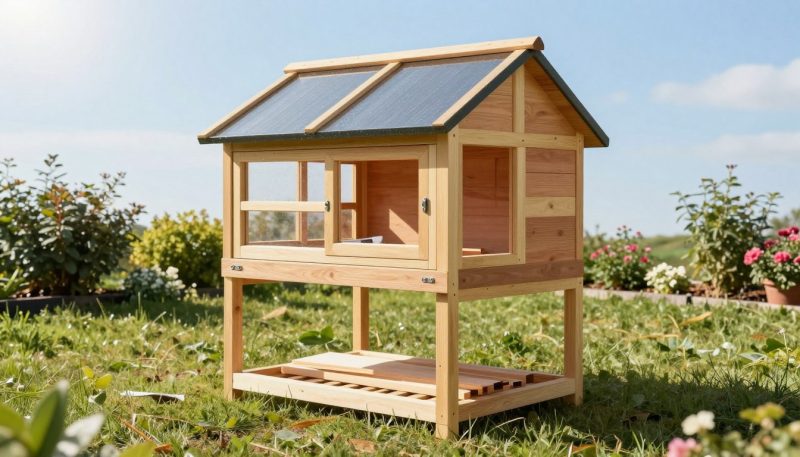
beginner friendly diy
When measuring your rafters, ensure they extend slightly beyond the walls to create an overhang. This overhang protects the siding from water runoff and keeps the interior dry. Always double-check your measurements to ensure the frame remains square before attaching the roof decking.
Installing Weatherproof Roofing Materials
Choosing the right materials is essential for maximizing the lifespan of your coop. Asphalt shingles are a popular choice because they are durable and relatively easy to install for most homeowners. Alternatively, metal roofing offers excellent longevity and is highly effective at shedding debris and moisture.
Regardless of the material, always install a high-quality underlayment to provide an extra layer of protection against leaks. Proper installation of drip edges will also help direct water away from the walls. This attention to detail ensures your coop remains a durable shelter for years to come.
Ensuring Proper Airflow for Chicken Health
Ventilation is just as important as structural integrity when considering your chicken coop dimensions. Chickens produce a significant amount of moisture and ammonia, which can lead to serious health problems if trapped inside. You must position vents near the highest point of the roof to allow warm, moist air to escape naturally.
It is vital to place these vents so they do not create direct drafts on the birds while they are roosting. Using hardware cloth over all vent openings will keep predators out while maintaining optimal air circulation. By balancing airflow with weather protection, you create a healthy, comfortable home for your flock.
Interior Features for a Predator Proof Coop
Building a predator proof coop means focusing on both the comfort of your birds and the strength of your defenses. A safe chicken coop requires careful attention to the interior layout to ensure your flock remains healthy and stress-free. By prioritizing smart design, you create a sanctuary that keeps your hens productive while blocking unwanted visitors.
Designing Functional Nesting Boxes
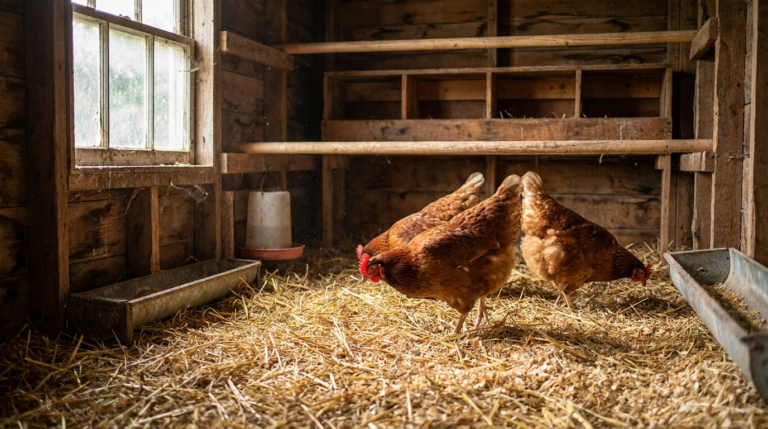
Nesting boxes should be placed in the quietest corner of the structure to provide hens with the privacy they crave. Mounting these boxes at least 18 inches off the floor helps keep them clean and prevents ground-dwelling pests from reaching the eggs. Accessibility is key, so ensure you can reach the boxes from an exterior door for easy daily collection.
Adding a soft layer of pine shavings or straw makes the boxes inviting for your hens. Privacy curtains or a simple wooden lip can also encourage birds to use the boxes consistently. This setup reduces the risk of eggs being broken or eaten by curious predators.
Installing Roosting Bars
Chickens have a natural instinct to sleep on high perches to stay away from ground threats. Installing roosting bars at least 24 inches above the floor provides the height they need to feel secure. Sturdy, rounded wooden bars are ideal because they allow the birds to grip comfortably without damaging their feet.
Ensure the bars are spaced far enough apart so that the birds do not crowd each other during the night. A staggered arrangement works well in a 4×8 footprint to maximize vertical space. Proper roosting habits lead to better rest and improved overall health for your flock.
Securing Doors and Windows Against Predators
Even the most well-built structure is vulnerable if the entry points are weak. Use heavy-duty locking carabiners or spring-loaded latches on all doors to prevent raccoons from manipulating the handles. Standard hook-and-eye latches are often too simple for clever predators to bypass.
Windows should be covered with galvanized hardware cloth rather than standard chicken wire. Chicken wire is designed to keep birds in, but it does not stop determined predators from tearing through the mesh. Secure the hardware cloth with screws and washers to ensure it stays firmly attached to the frame.
| Feature | Security Level | Primary Benefit |
| Hardware Cloth | High | Prevents chewing and tearing |
| Spring-Loaded Latches | High | Stops predators from opening doors |
| Elevated Nesting Boxes | Medium | Protects eggs from ground pests |
| Reinforced Hinges | High | Prevents forced entry at joints |
Maintaining a safe chicken coop is an ongoing process that requires regular inspections of your hardware. By checking your latches and mesh screens every few weeks, you ensure your predator proof coop remains a fortress. These small steps provide peace of mind and protect your investment for years to come.
Conclusion
Constructing a sturdy wooden chicken coop provides a rewarding experience for any backyard farmer. This project transforms raw materials into a safe environment that protects a flock from harsh weather and predators.
Success relies on careful planning and precise execution of each structural phase. A structured approach ensures that every board and fastener serves a specific purpose in the longevity of the build.
Readers should utilize the digital download pdf to keep their construction process organized. This resource acts as a roadmap to maintain focus while managing the material list and assembly steps.
Completing this structure offers a deep sense of personal accomplishment. It creates a durable home that supports the health and happiness of chickens for many years. Start the journey today to provide the best possible care for a growing flock.
FAQ
Why are 4×8 chicken coop plans considered the most efficient for backyard keepers?
The 4×8 footprint is highly efficient because it utilizes standard lumber lengths, such as 8-foot 2x4s, which minimizes waste and reduces costs. These chicken coop blueprints provide a generous 32 square feet of interior space, making it the gold standard for maintaining a healthy social hierarchy and proper hygiene for a medium-sized flock.
How many hens can comfortably live in a coop with these chicken coop dimensions?
A backyard chicken coop of this size typically accommodates 8 to 10 chickens if they have access to an outdoor run during the day. If the birds are strictly confined to the coop, it is best suited for 4 to 6 hens to ensure they have enough room to move, roost, and access nesting boxes without overcrowding.
What tools are required for this beginner friendly diy project?
To build a chicken coop successfully, builders will need basic power tools like a DeWalt circular saw and a Milwaukee cordless drill. Essential hand tools include a speed square, a level, and a measuring tape. For safety, it is highly recommended to use 3M safety glasses and durable work gloves throughout the construction process.
Is there a comprehensive material list included in the digital download pdf?
Yes, the digital download pdf provides a complete material list that covers everything from pressure-treated lumber for the frame to T1-11 exterior siding. It also specifies the exact hardware and fasteners needed, such as Grip-Rite exterior screws, helping builders avoid multiple trips to The Home Depot or Lowe’s.
How can I ensure the wooden chicken coop is a truly predator proof coop?
To create a safe chicken coop, builders should replace standard chicken wire with 1/2-inch hardware cloth from brands like Yardgard, which resists chewing from predators like raccoons. Additionally, the plans suggest using heavy-duty locking latches on all doors and windows to keep foxes and other nighttime predators at bay.
What is the best foundation for a diy chicken coop on uneven ground?
If the ground is not perfectly level, using concrete deck blocks or pressure-treated 4×4 skids is recommended. These options allow for easier leveling and provide a sturdy base that keeps the wooden chicken coop off the wet ground, preventing rot and extending the lifespan of the structure.
Does the step by step guide explain how to handle roofing and ventilation?
Absolutely. The guide details how to install weatherproof materials like Owens Corning asphalt shingles or corrugated metal panels. More importantly, it provides a strategy for proper airflow, showing where to place vents to exhaust moisture and ammonia while protecting the birds from direct winter drafts.
Are these free chicken coop plans suitable for someone with no construction experience?
While professional-grade plans often carry a fee for their detail, this step by step guide is designed with the novice in mind. The clear illustrations and logical progression make it a beginner friendly diy project that yields a professional-looking hen house without the need for advanced carpentry skills.